
History and Evolution
Originally, costume jewellery offered an alternative to gold and precious gemstones.
It made it possible to create an expressive appearance at a more accessible price.
During the 20th century, designers began to recognise jewellery as a powerful form of self-expression. Synthetic gemstones and new materials opened up new possibilities, allowing designers to create pieces valued for their originality and artistic character.
Today, costume jewellery exists at the intersection of fashion, creativity and art.
Mass-Market Jewellery: Accessible, Fast and Simple
Factory-made jewellery is attractive for its accessibility, but its relevance is often tied to rapidly changing trends. Mass production relies on repeatable forms and processes, leaving limited room for individual interpretation.
Designer jewellery offers a recognisable aesthetic developed under a particular brand.
A design studio develops the concept, visual language and forms, while production ensures precision and consistency, most often through casting, stamping and assembly.
The result is a collection of recognisable pieces, usually produced in limited series with a carefully developed design.
It occupies the space between mass production and truly one-of-a-kind jewellery.
Costume Jewellery: The Legacy of Chanel
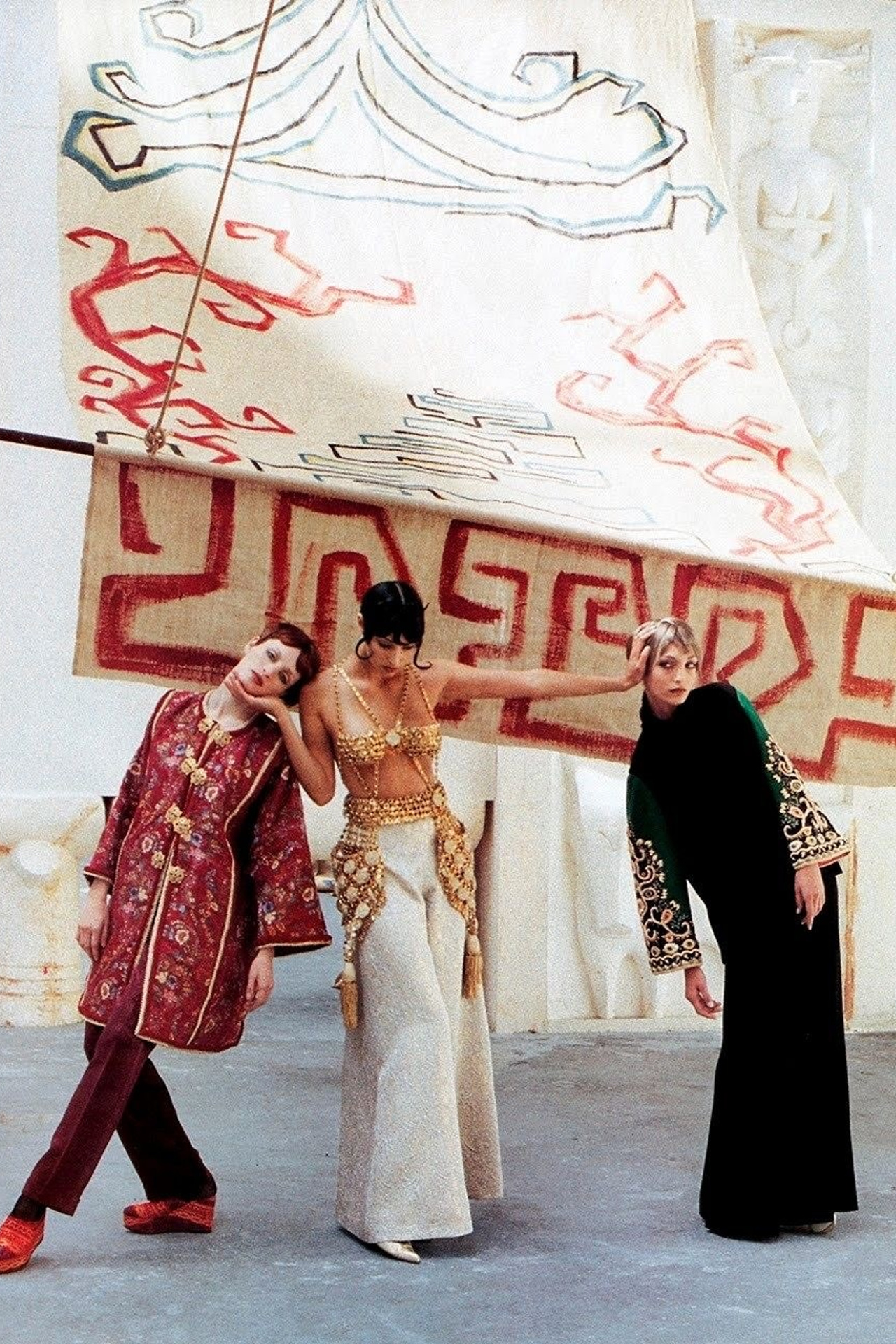
Costume jewellery became closely associated with the fashion of Coco Chanel. She worked with specialised workshops that created jewellery to complement her collections. These workshops became an important part of the tradition that later developed into modern designer jewellery studios.
The pieces were made from accessible materials, but their design was carefully considered. Costume jewellery made it possible to create a complete visual composition in which jewellery and clothing worked together as a single aesthetic.
The principle continues to shape the relationship between jewellery and fashion in Haute Couture today.


Haute Fantaisie: Freedom of Expression
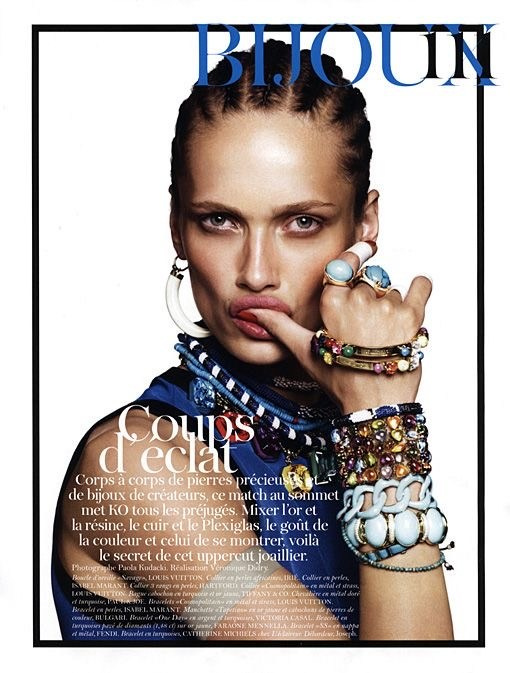
Haute Fantaisie is a world of bold ideas and artistic freedom. Here, form, colour and creative vision can be more important than the monetary value of the materials themselves.
Metal, textile, wood, ceramic, plastic and a wide range of other materials can become part of expressive jewellery with a strong visual character.


Art Jewellery: From Haute Fantaisie to Uniqueness
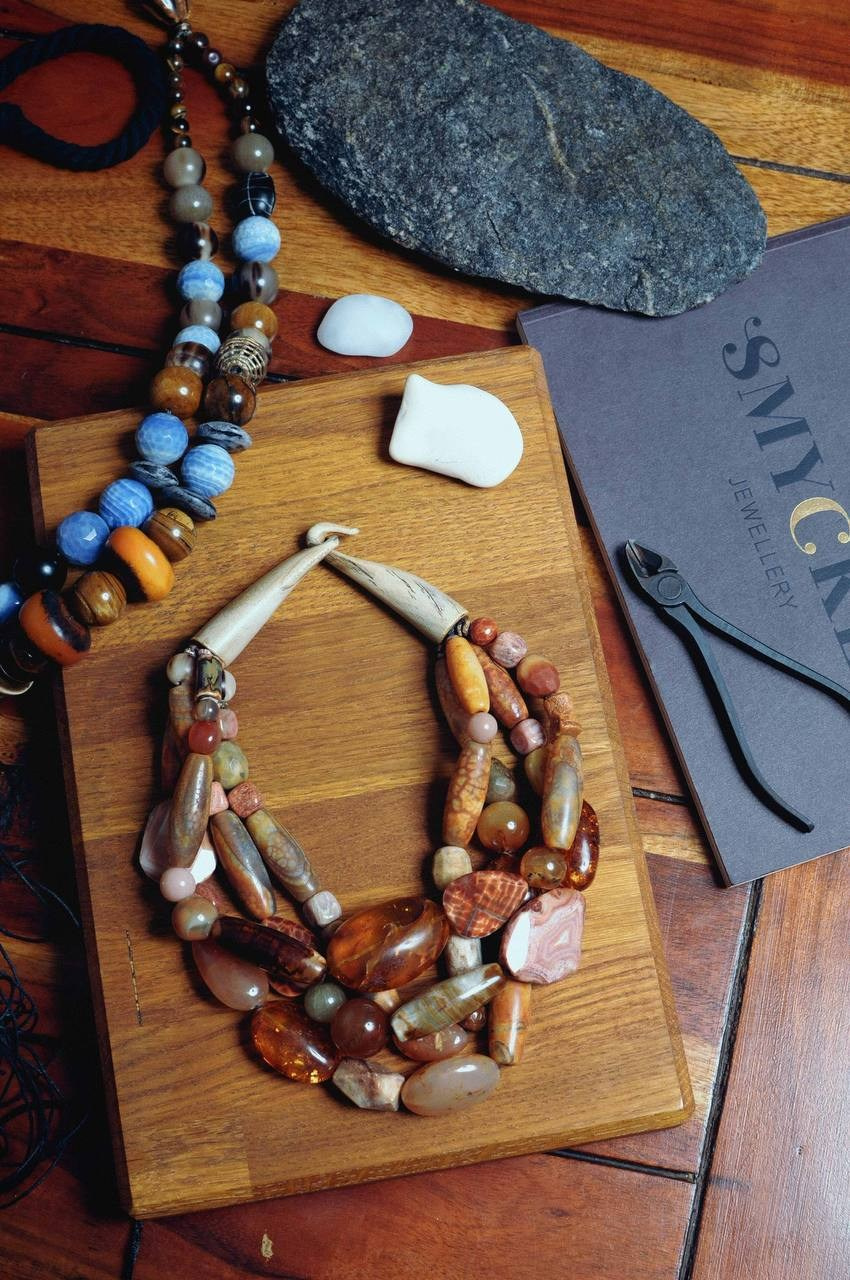
From Haute Fantaisie emerges a more individual form of jewellery. It retains the freedom of the original idea while becoming unique and highly personal: each piece is created by hand, often as a one-of-a-kind work.
It becomes an art object in which every element is deliberately considered and contributes to the artist’s vision.

Eugenika Jewels: Authorial Haute Fantaisie
Eugenika Jewels develops the concept of Haute Fantaisie through an individual artistic approach. Each piece is created as a one-of-a-kind work and passes through a hands-on creative process in which every detail is considered and executed by the artist.
The collections of Eugenika Jewels are created for those who value individuality, artistic expression and a distinctive personal style. Each piece becomes part of an individual aesthetic, reflecting the taste and character of its wearer.

Journal
Bohea Boheme
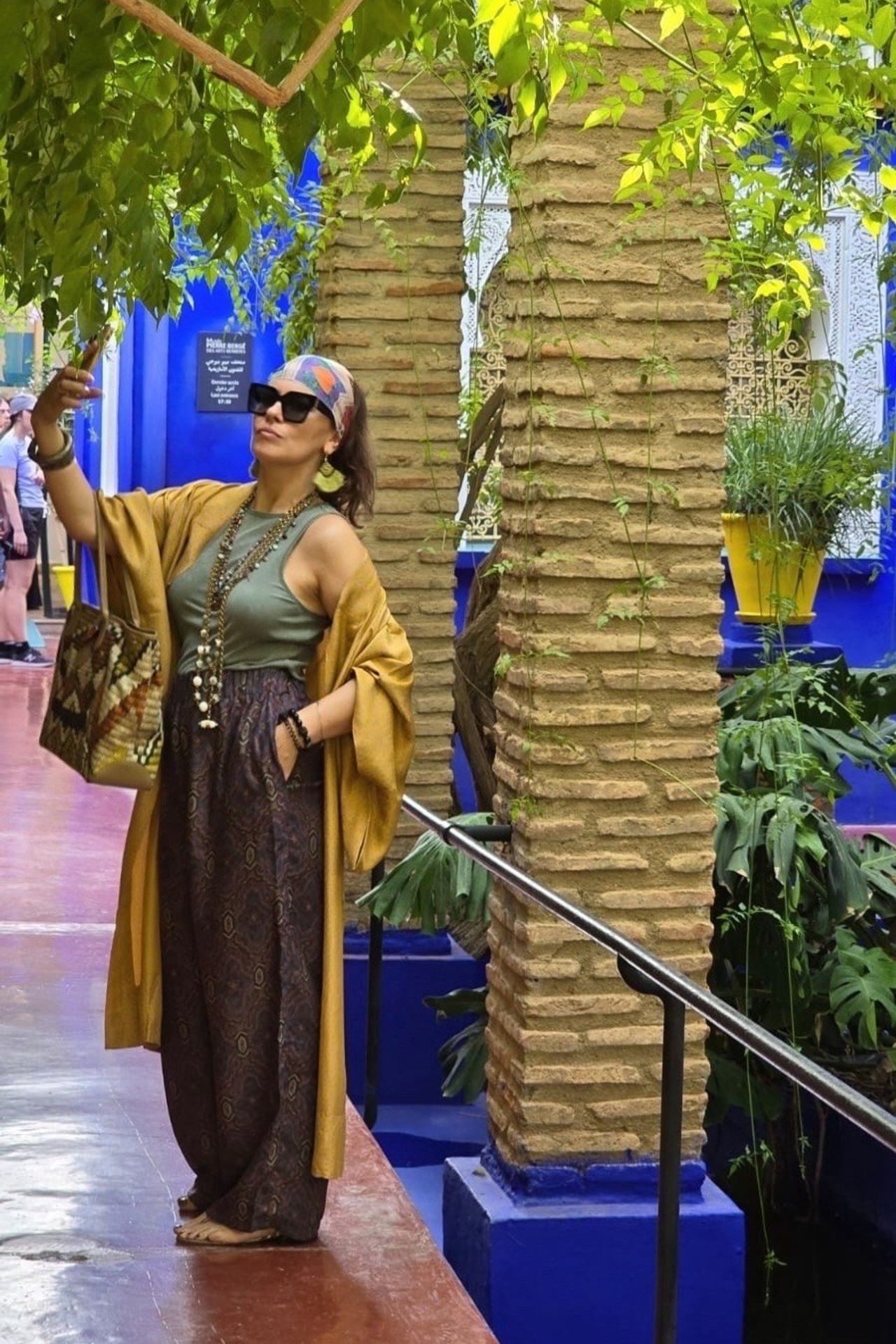
Marrakesh, Majorelle & Yves Saint Laurent

Boho: The Art of Living
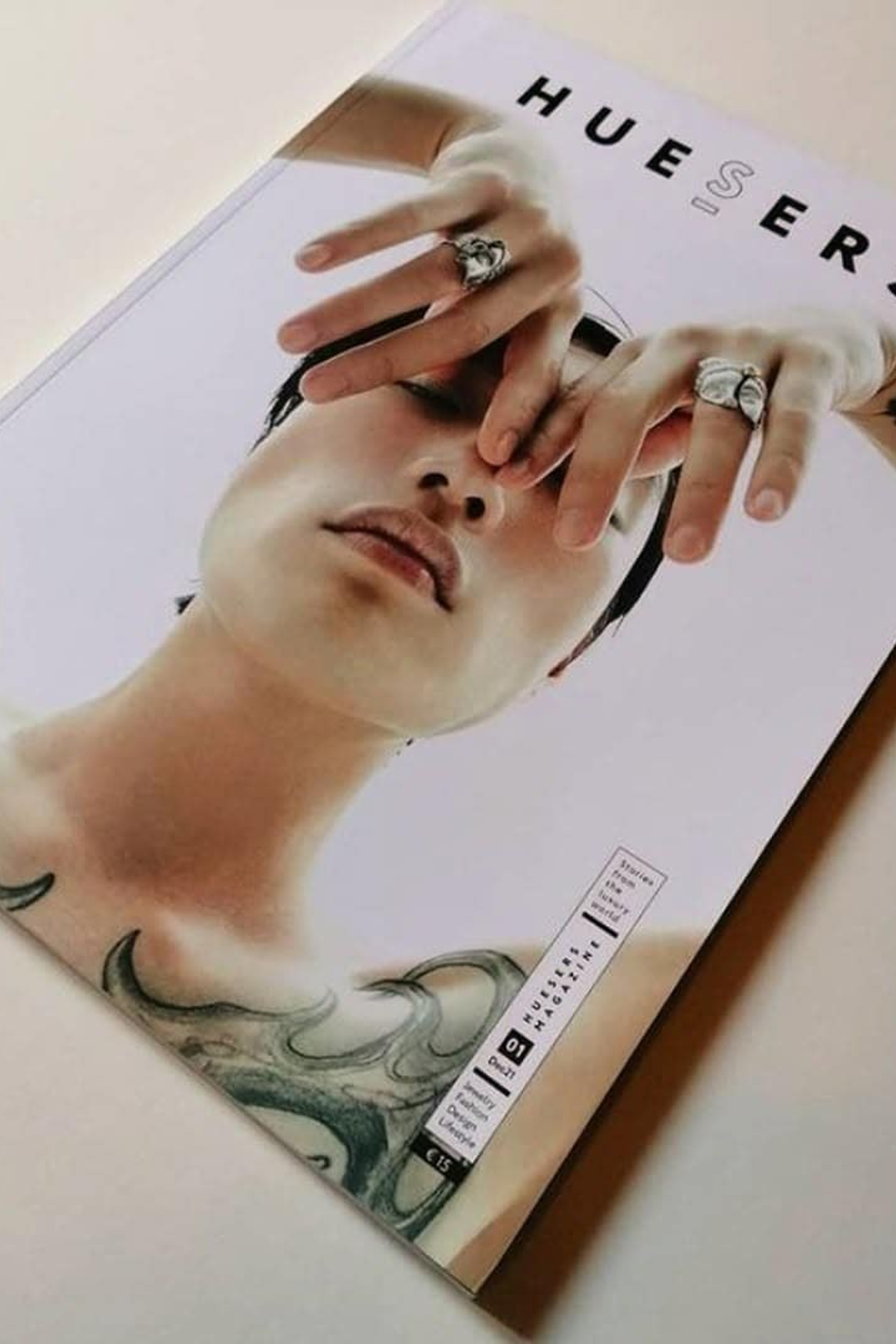
From Saint Petersburg to Milan
Why I Chose the Unrepeatable

Eugenika Jewels: Relic Amber — High Jewellery & Collectible Art

Фес и искусство керамики

Тренд 2026: бархатные сумочки-мешочки и кисеты (drawstring / kisets)
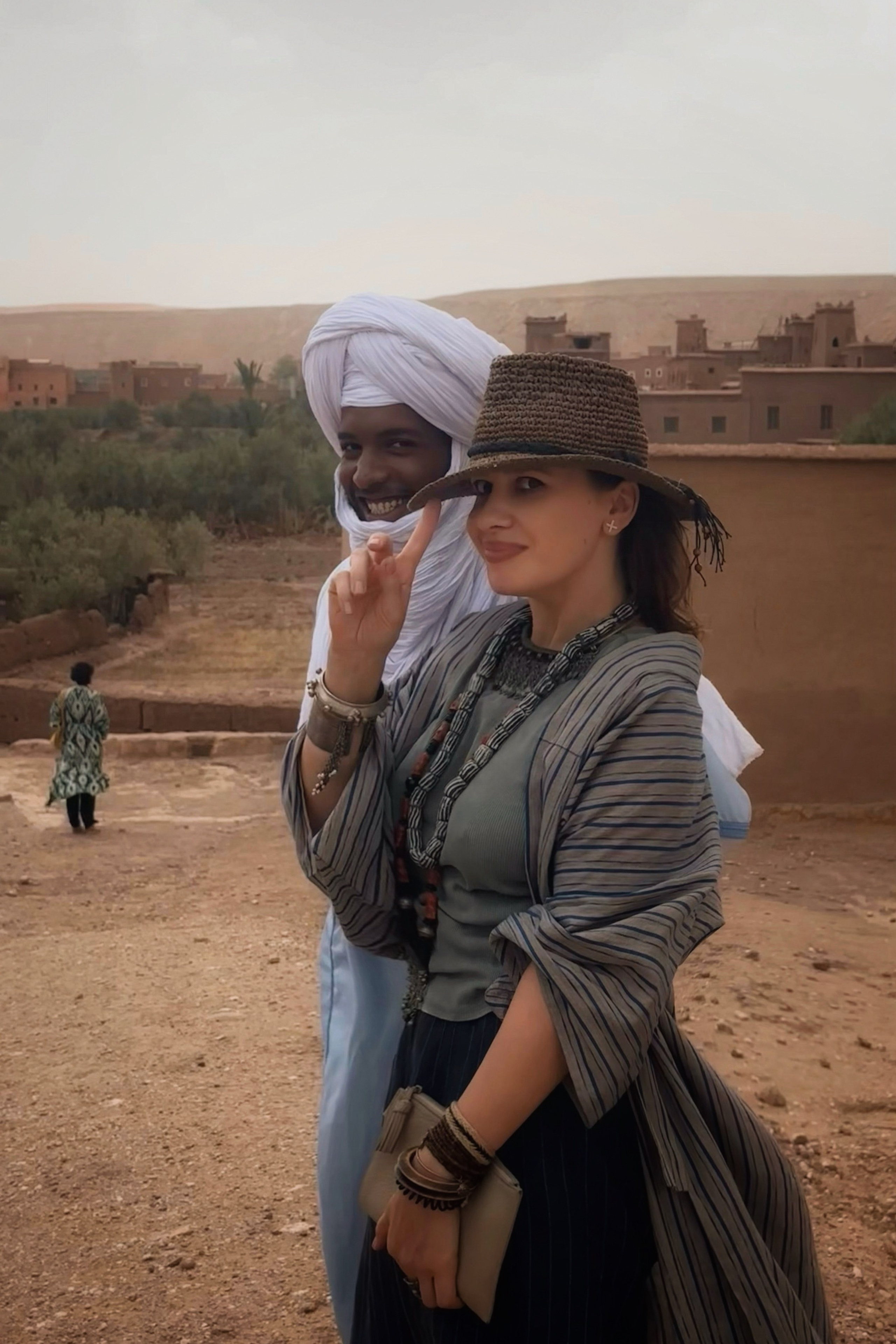
Берберские украшения Марокко: путешествие в Айн-Бен-Хадду в поисках аутентичных сокровищ

Украшения Александра Колдера: искусство, которое движется

Украшения в виде крестов: символ, стиль и личная история

Дом Робера Гуссенса (Robert Goossens): арт-ювелирка как часть Высокой моды

Японский шёлк: ткань, в которой важна каждая деталь