
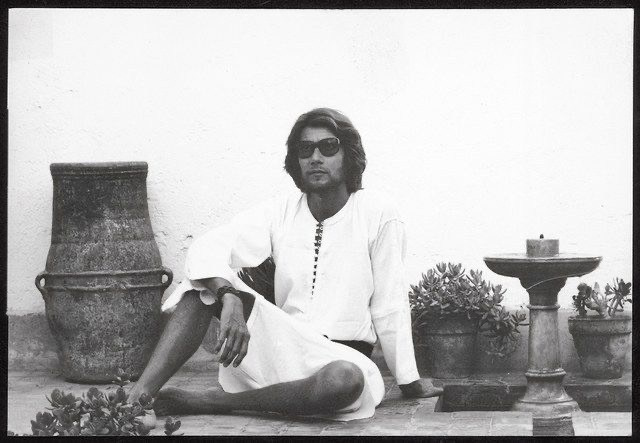
For some artists, inspiration arrives unexpectedly — a fleeting image, a line of poetry, an encounter. For others, it becomes inseparable from a landscape. A particular light. The colour of a city at sunset. The texture of weathered walls. The rhythm of a market where brass, silk, spices and gemstones have shared the same streets for centuries.
Marrakesh has long been one of those places.
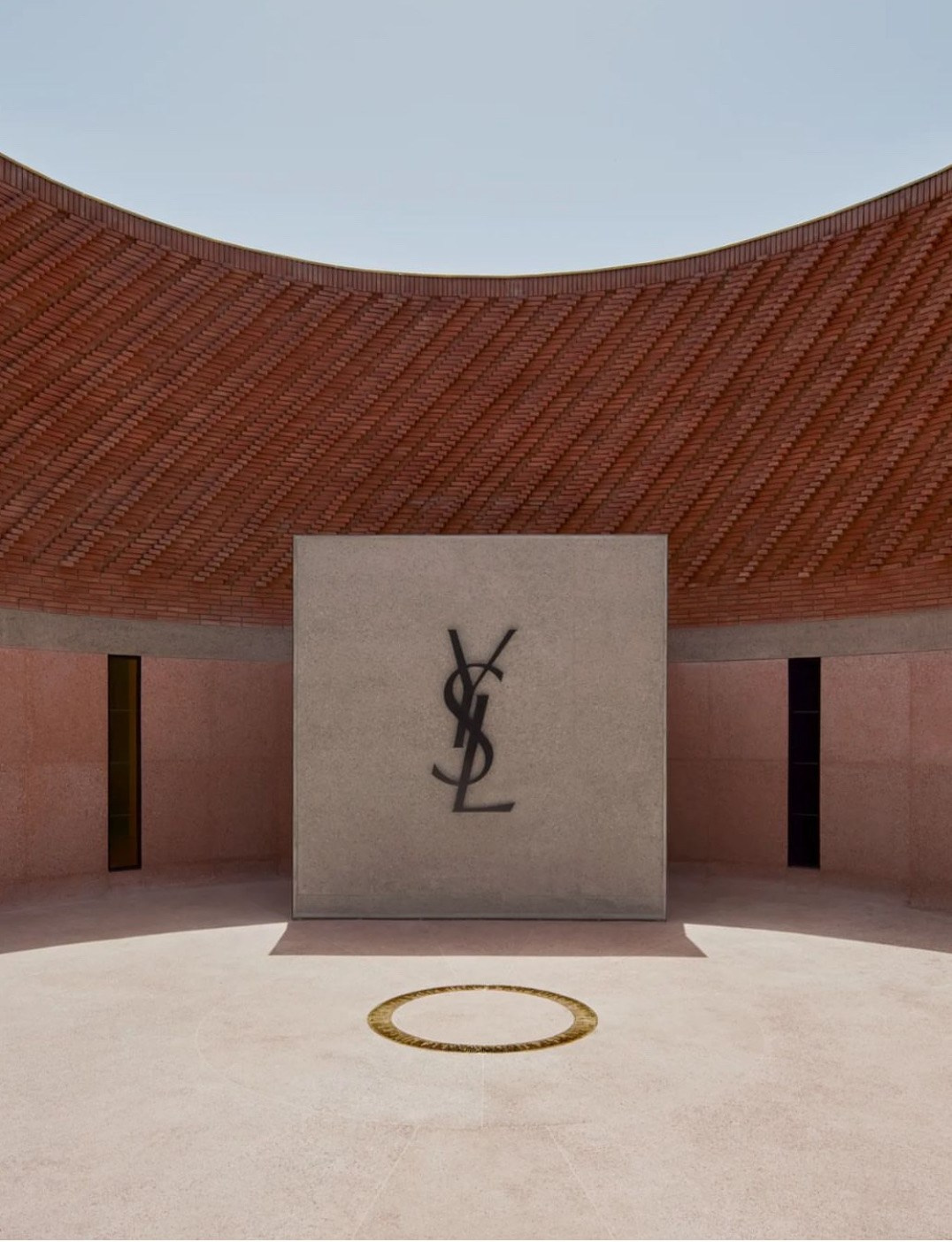
Not because it offers an escape from reality, but because it heightens it. Colours appear more saturated. Shadows become architectural. Gold is no longer an accent but a language. Every carved doorway, woven textile and hand-cut stone reminds us that decoration, when guided by mastery, is never excess. It is culture made visible.
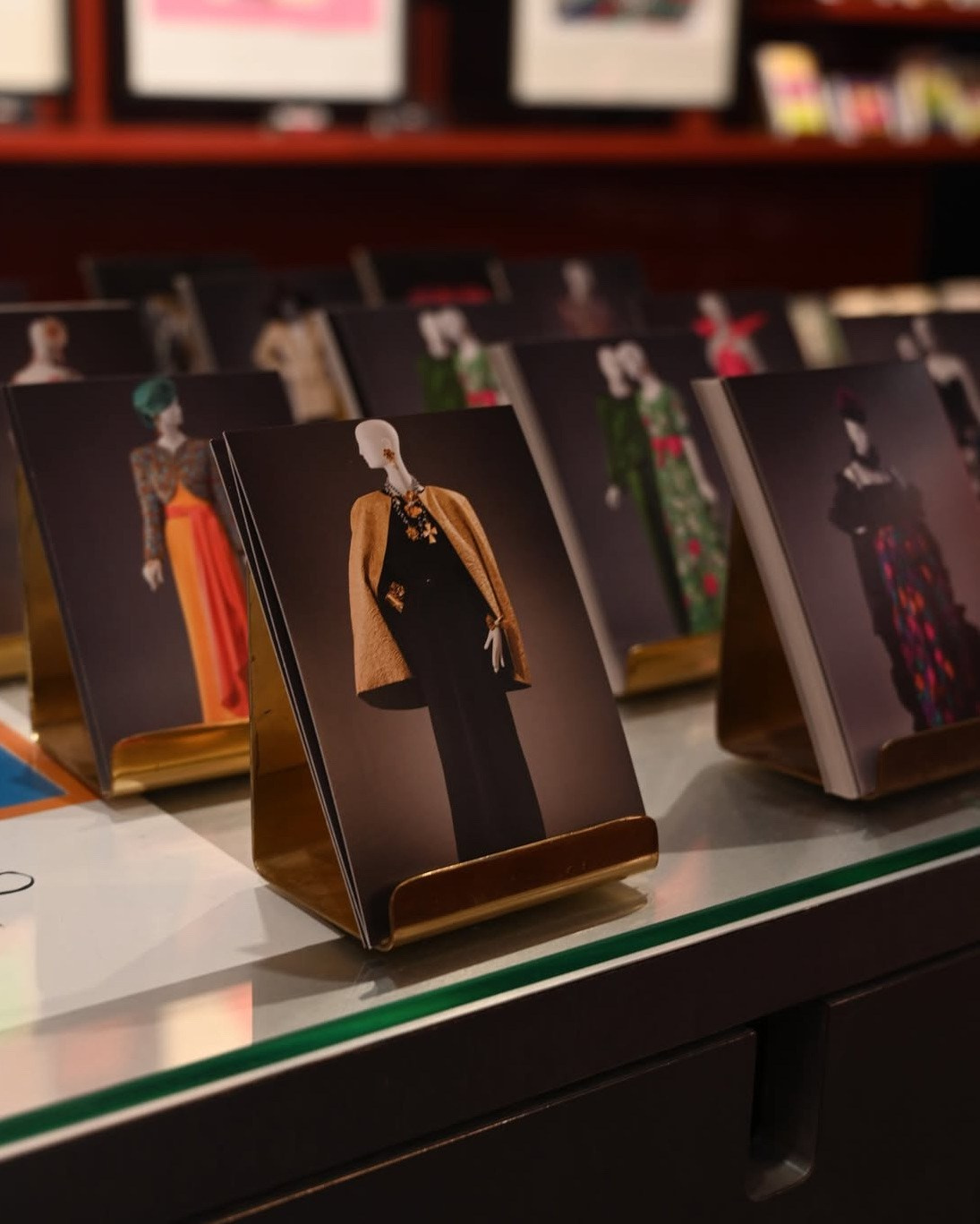
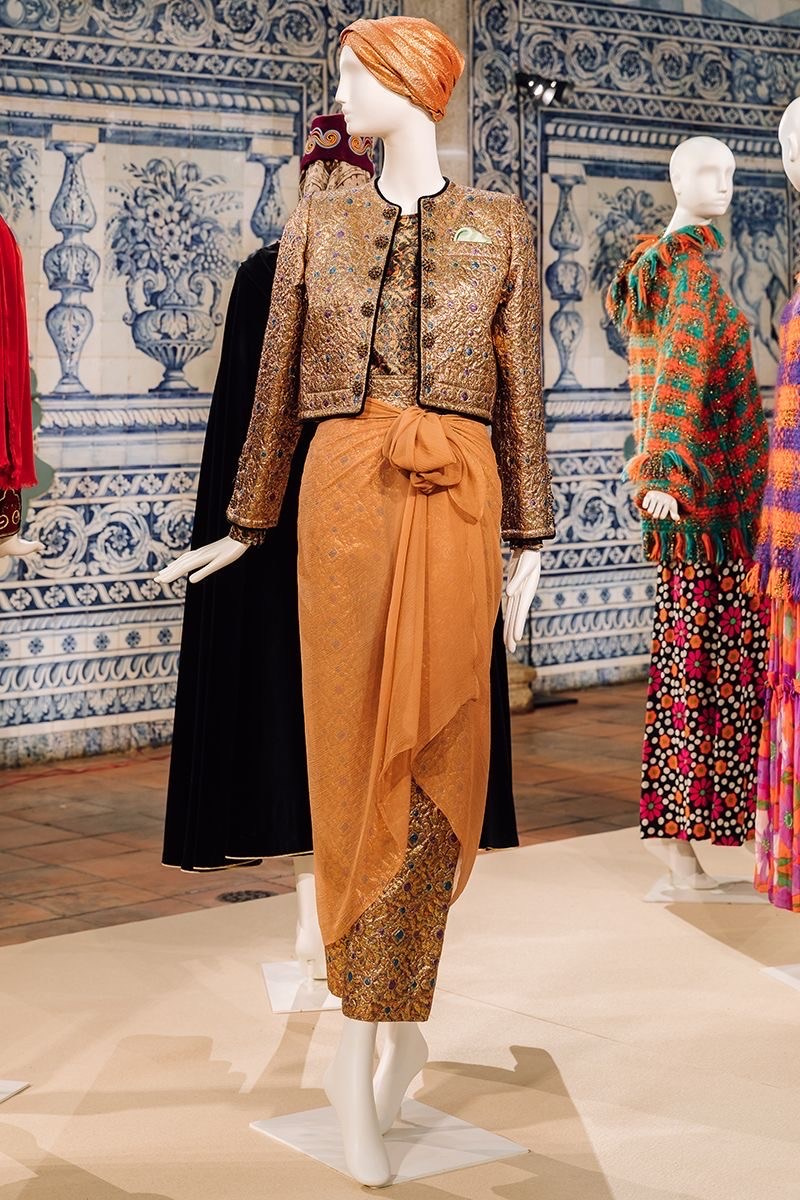
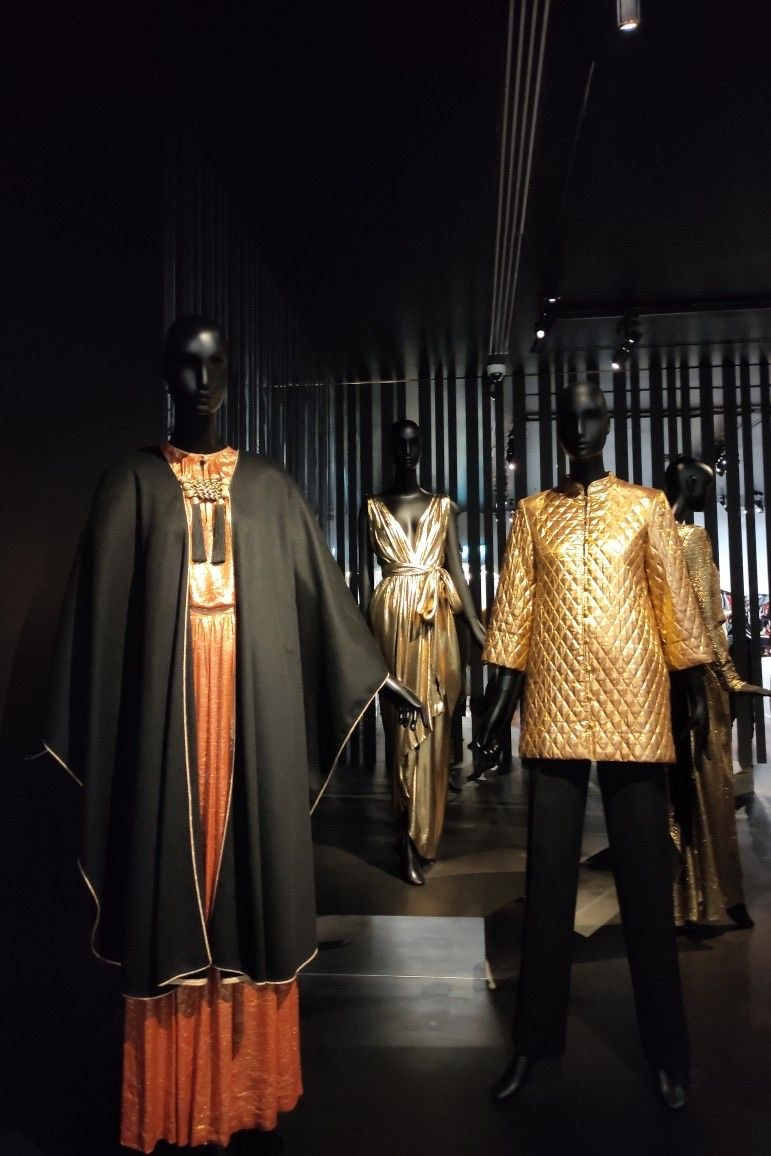
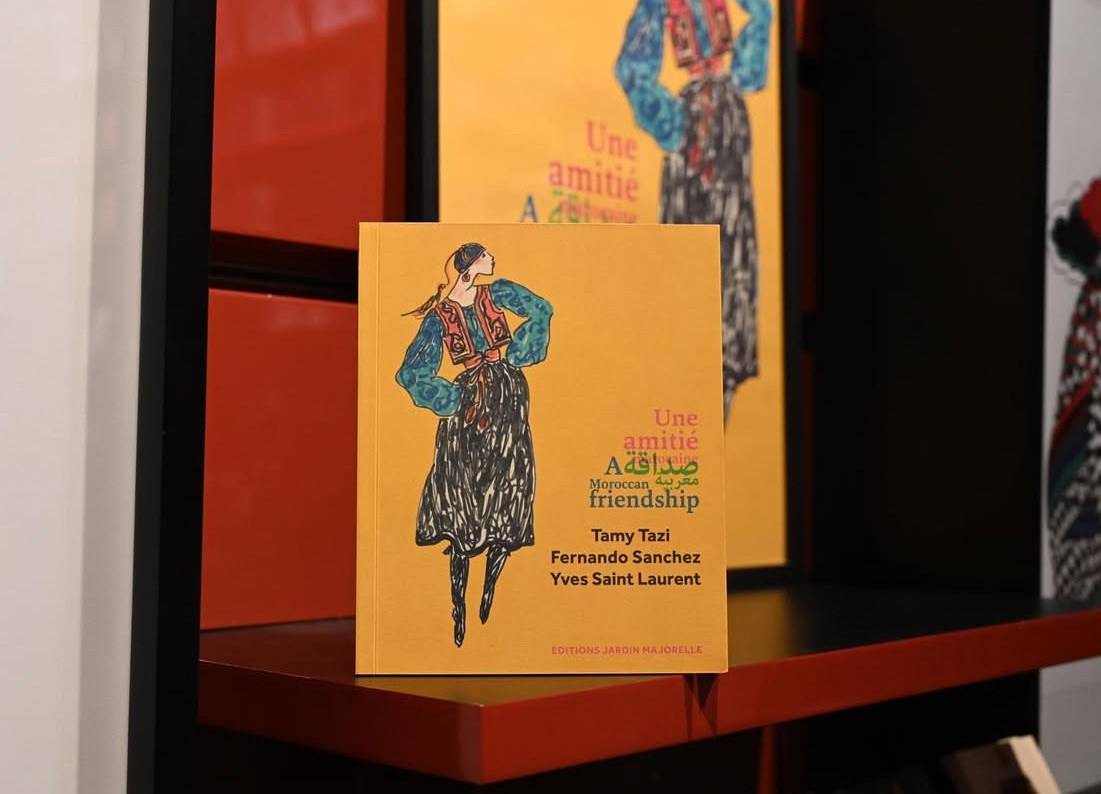
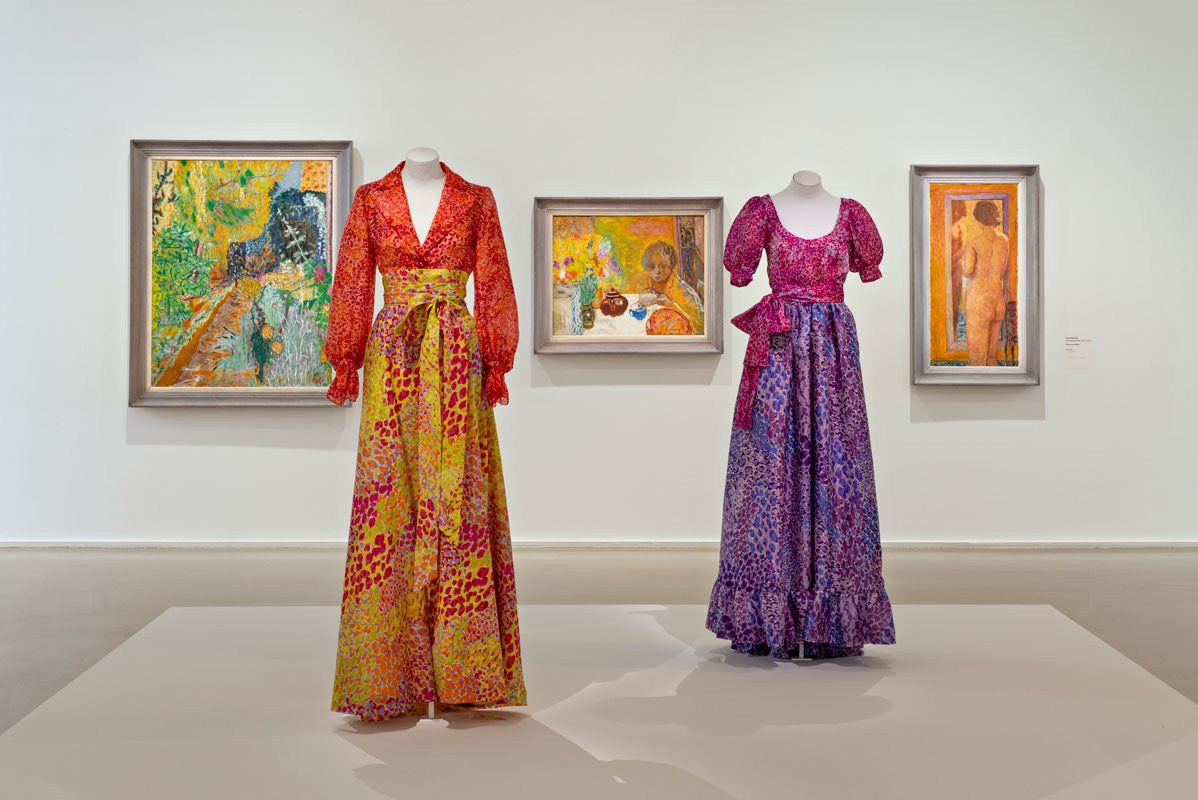
This is what has always fascinated me about Yves Saint Laurent. He did not borrow from the East. He listened to it.
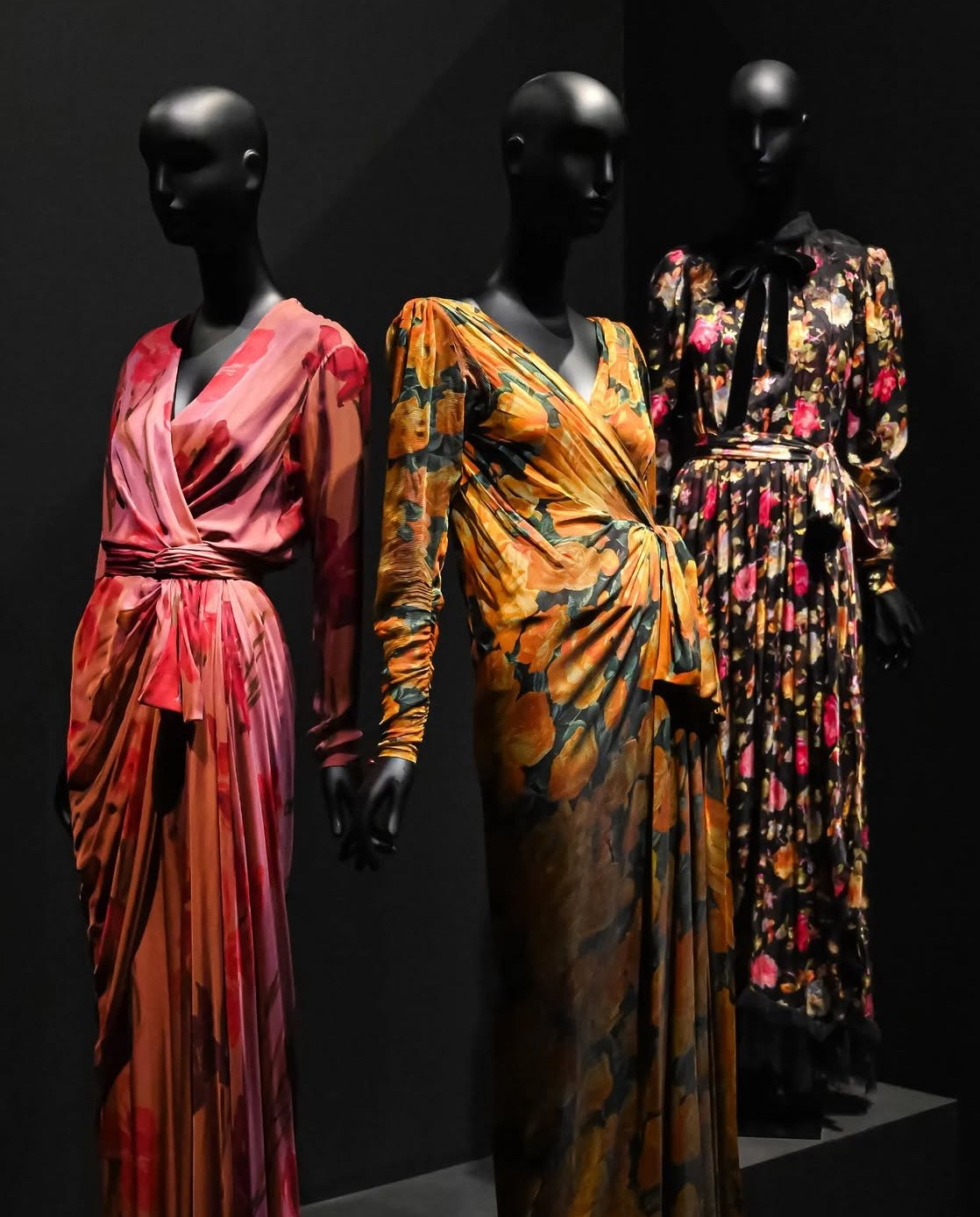
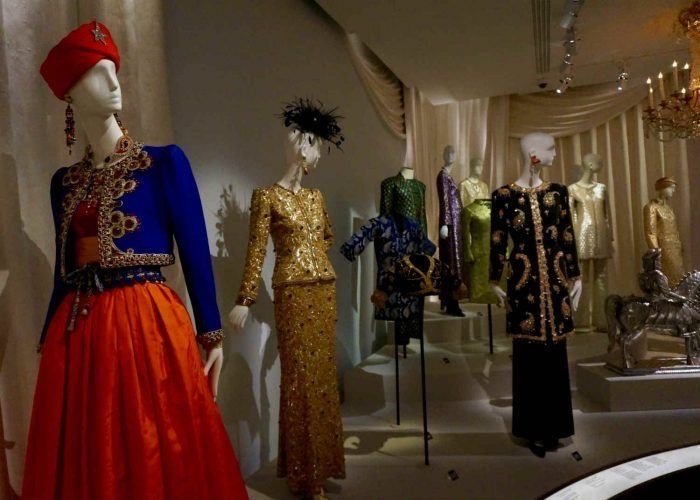
His work was never about reproducing Morocco. It was about translating an emotion into another medium. A colour became velvet. A tiled courtyard became embroidery. The blue of Majorelle became memory.
The greatest designers rarely invent beauty from nothing. They collect it.
Not as souvenirs, but as visual experiences that settle into the imagination until they return transformed into something entirely new.
That idea feels deeply familiar to me.
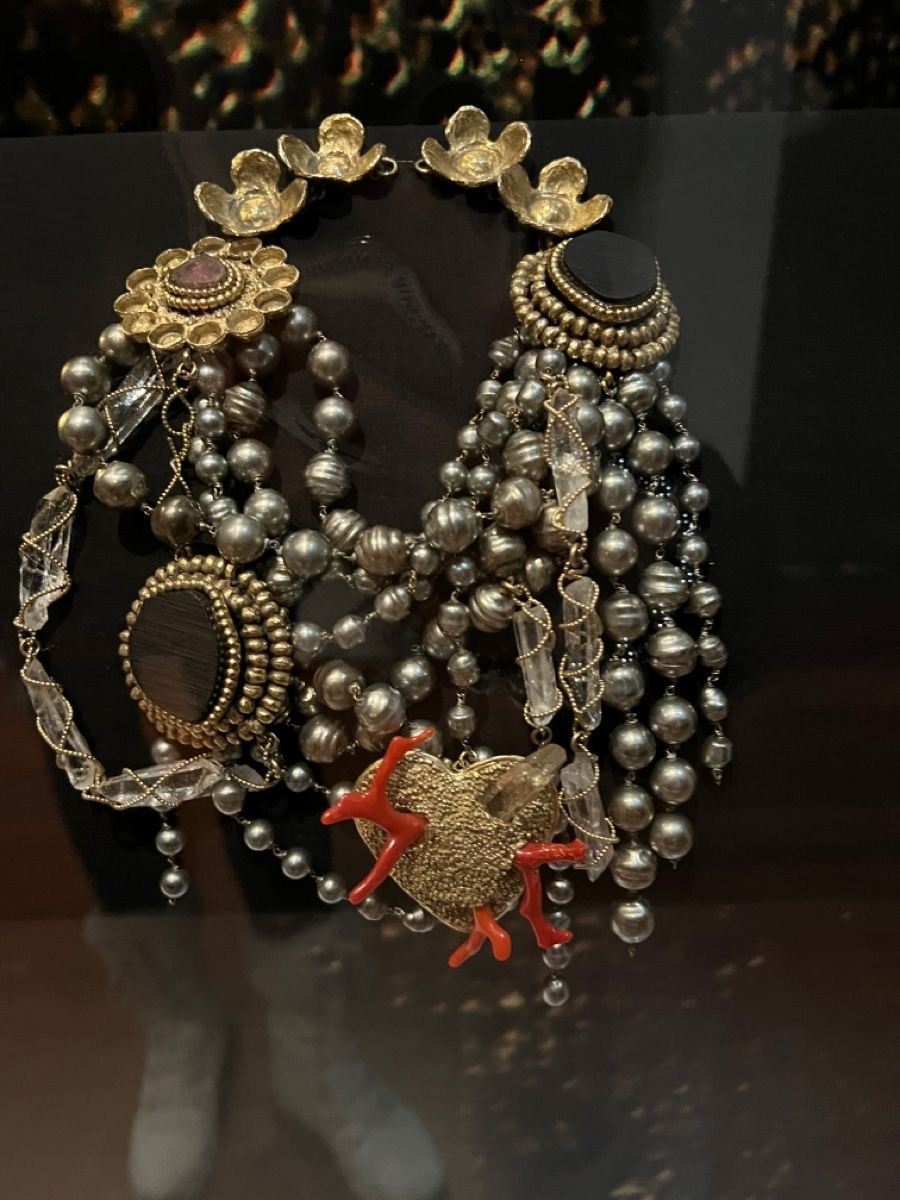
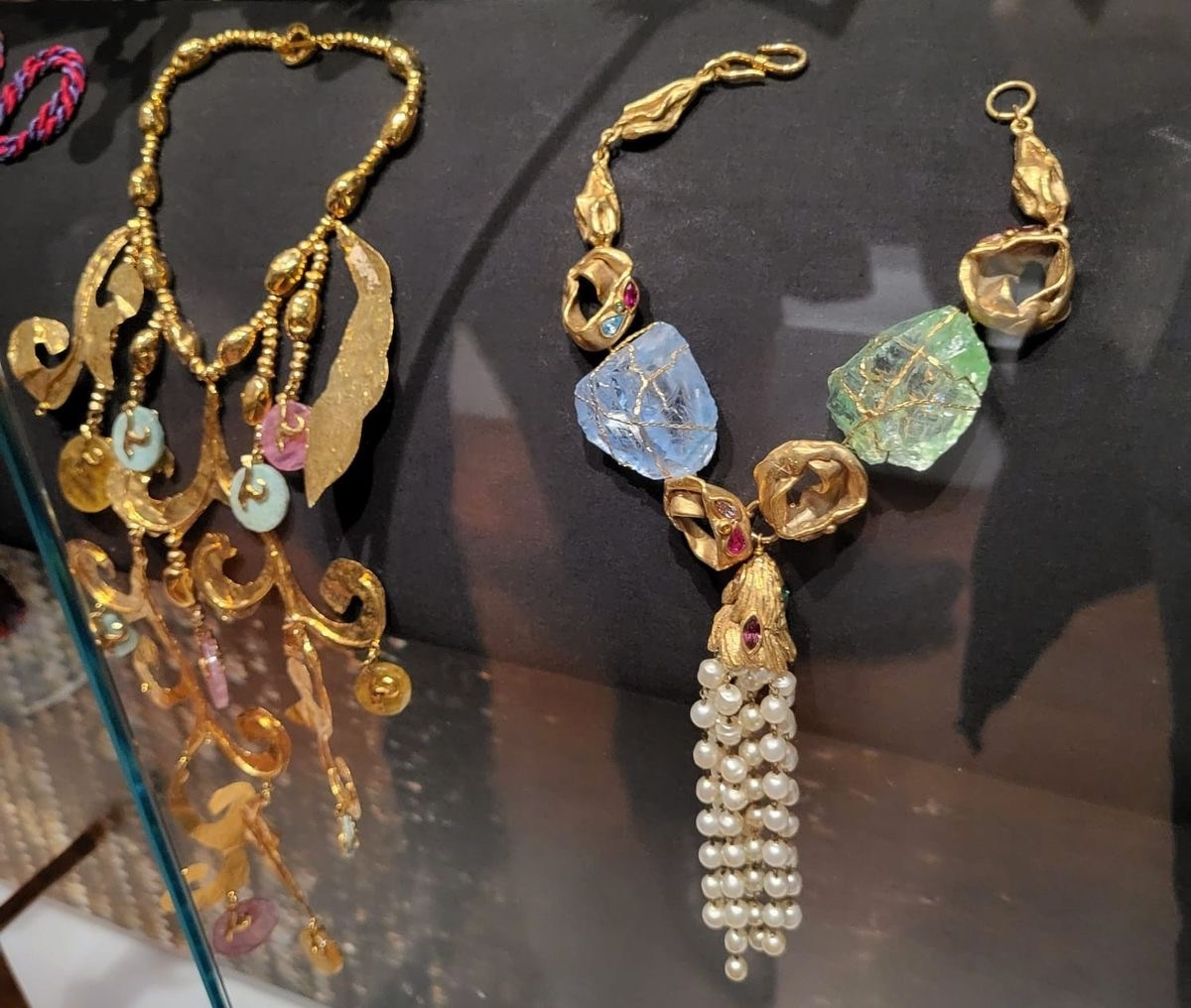
Collecting has never been about ownership. It is about learning to see. A fragment of coral found on a distant shore, an antique shell, a carved bead, an old textile, an unusual gemstone — each carries the memory of the place it came from. Together they become not a collection of objects, but a collection of encounters.
That is why I have always been drawn to Yves Saint Laurent’s world. And why, after I began studying Vedic astrology several years ago, I found myself equally curious about his natal chart.
Not to search for an explanation of genius — there is no formula for that — but to understand whether the inner world of an artist might echo the world he creates. The more I read his letters, interviews and biographies, the more that connection fascinated me. His collections were never isolated acts of design. They grew from a life immersed in literature, art, travel, architecture and collecting.
That, to me, is the true lesson.
Style is not assembled from clothes.
It is assembled from everything we choose to notice.
The places we return to.
The books we keep.
The objects we cannot forget.
And the beauty that quietly becomes part of who we are.












Journal

Boho: The Art of Living
The modern idea of Bohemian style emerged during the 1960s. Visually, it shared certain elements with the hippie...
From Saint Petersburg to Milan
You imagine what you desire.
You desire what you imagine.
And eventually, you create it.
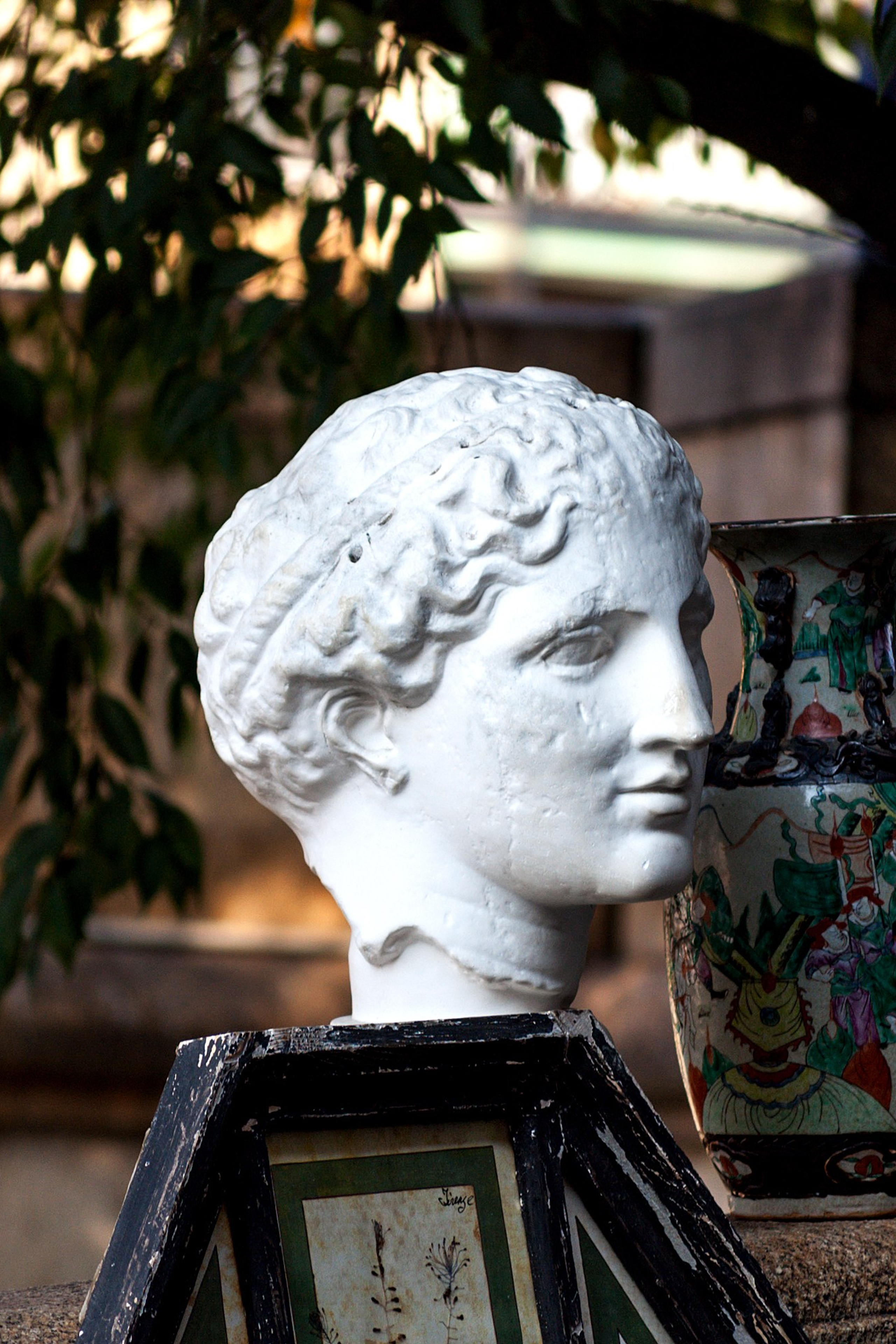
Why I Chose the Unrepeatable
I studied design at university.
One comment from my professors stayed with me for years: my projects always moved...

Eugenika Jewels: Реликтовый Янтарь — Высокое Искусство и Инвестиция
Погружение в мир редчайших природных минералов, ставших основой высокой ювелирной коллекции Eugenika...

Фес и искусство керамики
Фес — один из тех городов, где ремесло не отделено от повседневной жизни.
Здесь ремесло не прерывалось и по-прежнему...

Тренд 2026: бархатные сумочки-мешочки и кисеты (drawstring / kisets)
В 2026 году бархатные сумочки-мешочки и кисеты в ретро и восточном стилях находятся на пике популярности. Они...
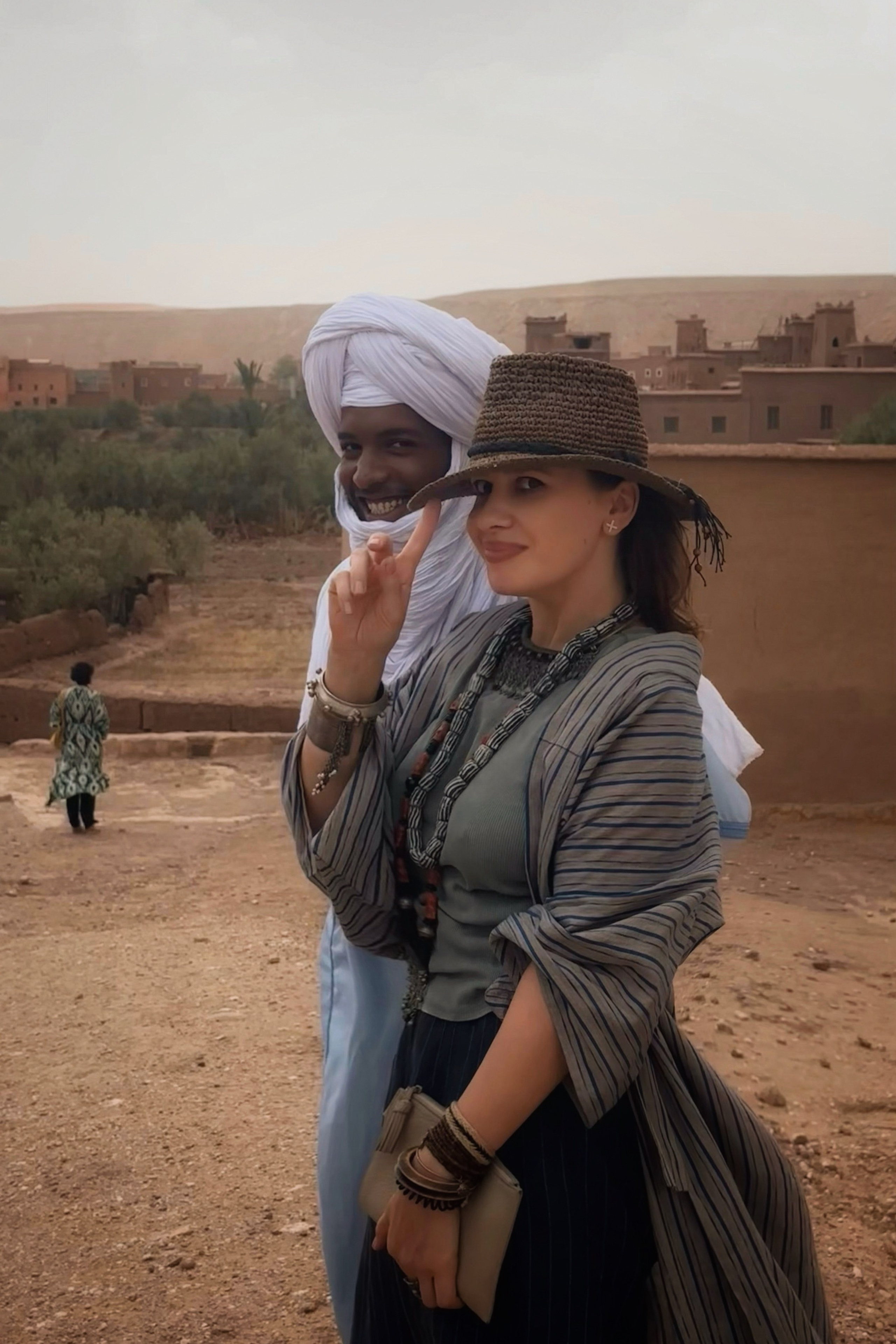
Берберские украшения Марокко: путешествие в Айн-Бен-Хадду в поисках аутентичных сокровищ
Есть места, где кажется, что время движется иначе. Где пыль дорог, запах горячего камня и медленный ритм жизни...

Украшения Александра Колдера: искусство, которое движется
Ювелирные работы Александра Колдера трудно назвать просто украшениями.
Они не украшают — они взаимодействуют....

Украшения в виде крестов: символ, стиль и личная история
Украшения с крестами давно перестали быть атрибутом исключительно религиозной символики. Сегодня это выразительный...

Дом Робера Гуссенса (Robert Goossens): арт-ювелирка как часть Высокой моды
Имя Робера Гуссенса (Robert Goossens) занимает особое место в истории ювелирного искусства XX века. Его Дом стал...

Японский шёлк: ткань, в которой важна каждая деталь
В Японии шёлк никогда не был просто материалом. Его выбирали не только по цвету или узору, но и по характеру ткани,...
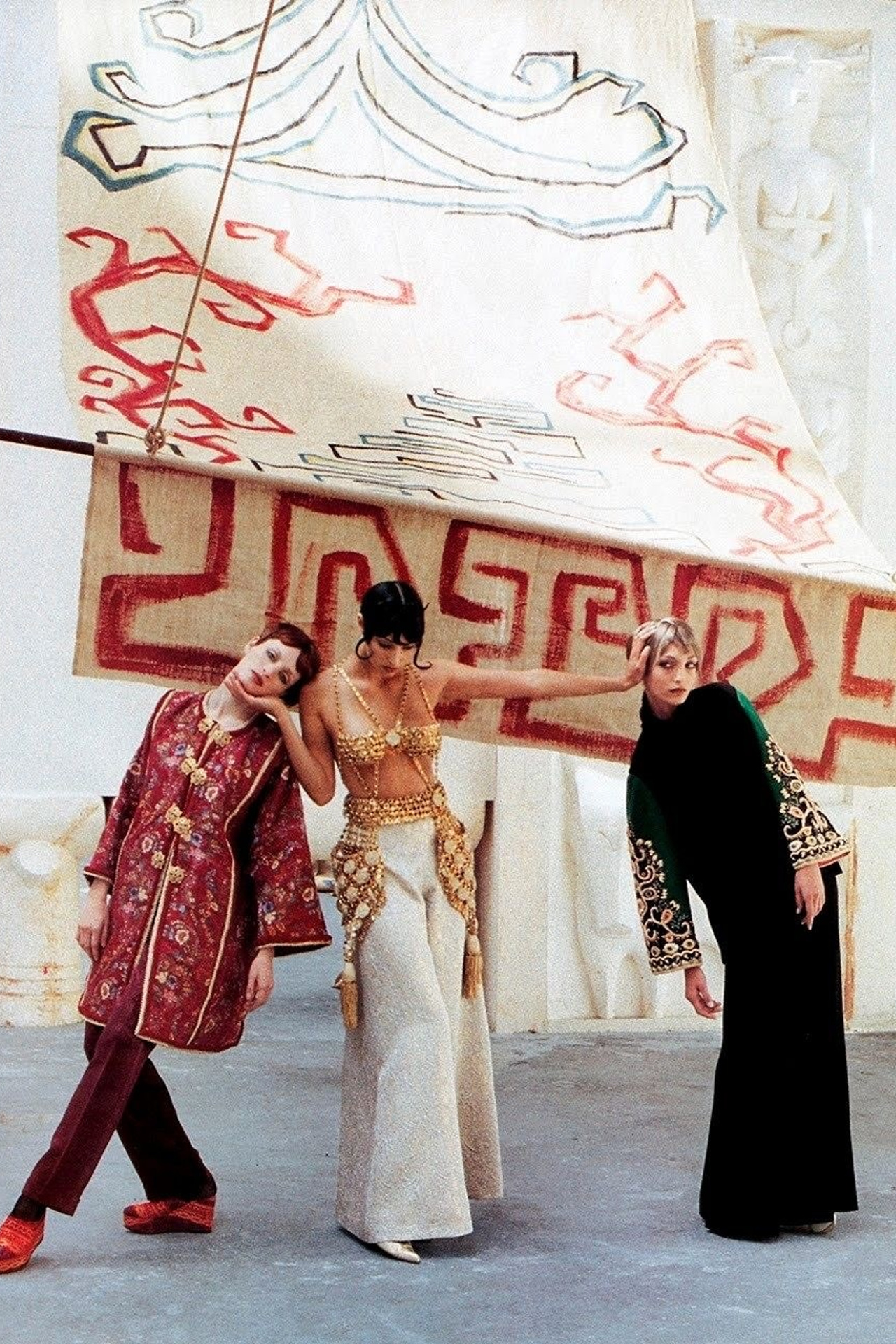
Культурная конвергенция: дизайн, натуральные материалы и дизайнерские украшения ручной работы
Мир стремительно меняется, и вместе с ним меняется язык дизайна и моды. Сегодня он всё чаще отражает глобальные...
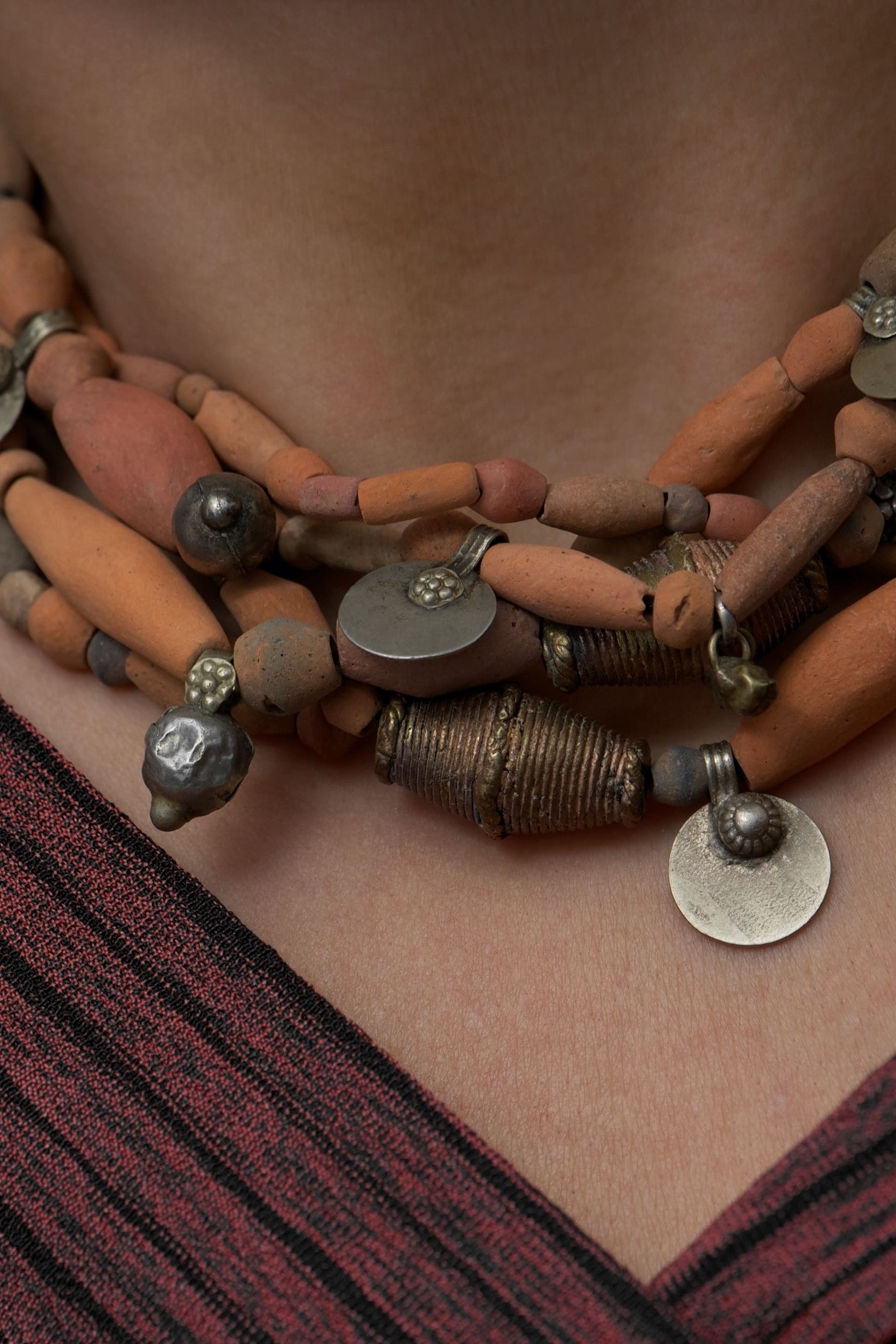
Глина как код: украшения с древней памятью
Этнические колье и браслеты с глиняными бусинами: современный стиль с древними корнями

Бижутерия, Haute Fantaisie и авторские украшения Eugenika Jewels
Украшения — это не просто аксессуар. Это способ выразить себя, подчеркнуть стиль и создать настроение.
Когда-то...