
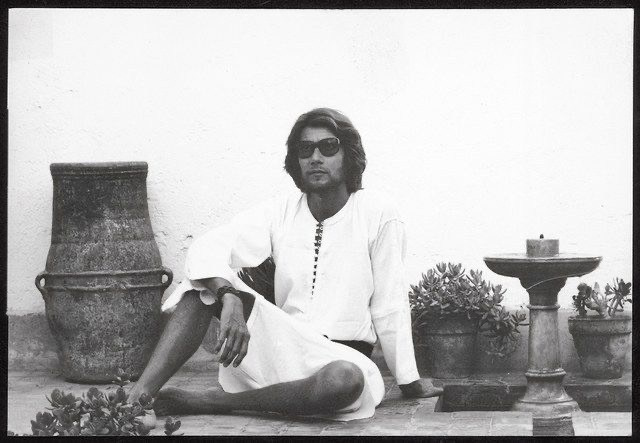
For some artists, inspiration arrives unexpectedly — a fleeting image, a line of poetry, an encounter. For others, it becomes inseparable from a landscape. A particular light. The colour of a city at sunset. The texture of weathered walls. The rhythm of a market where brass, silk, spices and gemstones have shared the same streets for centuries.
Marrakesh has long been one of those places.
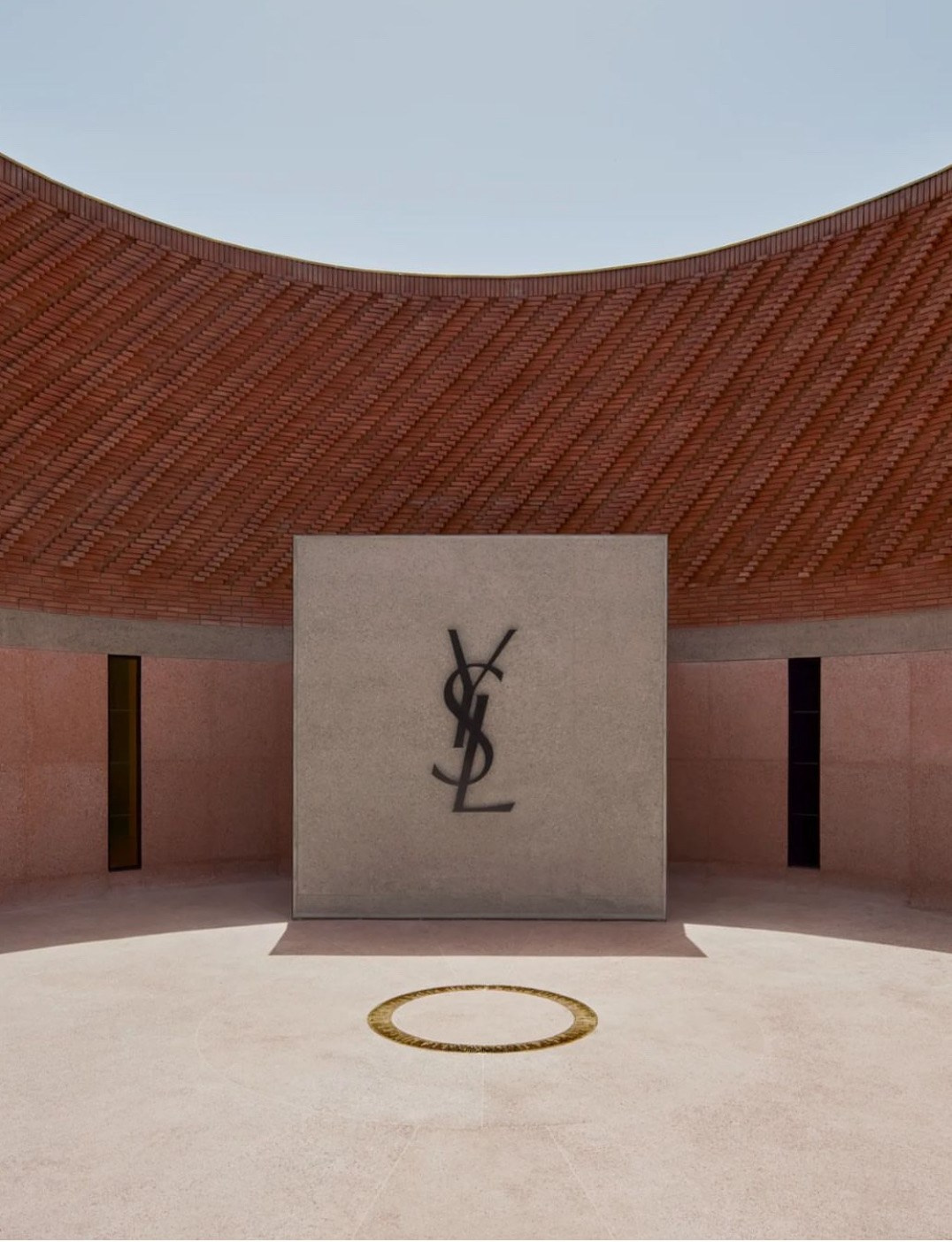
Not because it offers an escape from reality, but because it heightens it. Colours appear more saturated. Shadows become architectural. Gold is no longer an accent but a language. Every carved doorway, woven textile and hand-cut stone reminds us that decoration, when guided by mastery, is never excess. It is culture made visible.
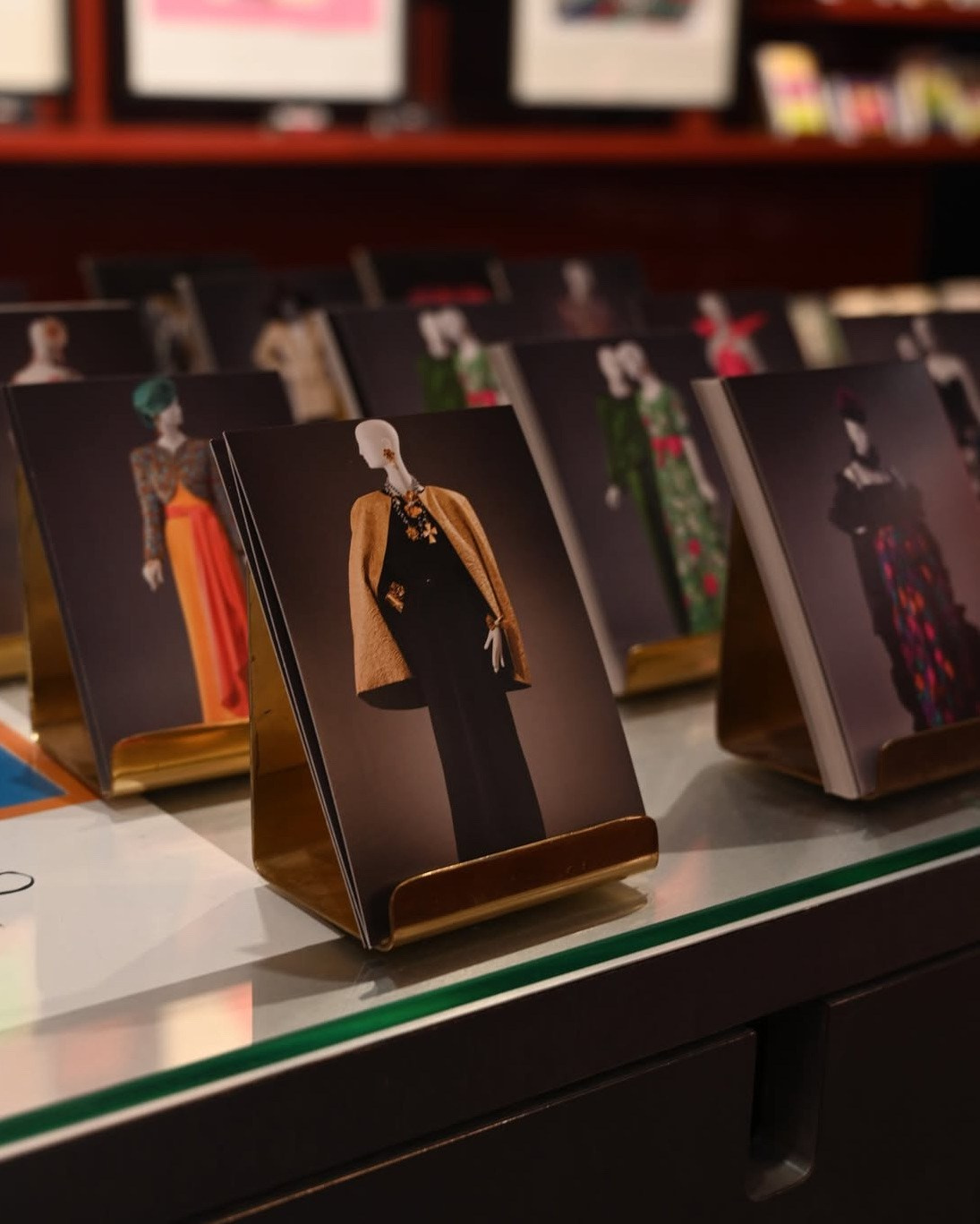
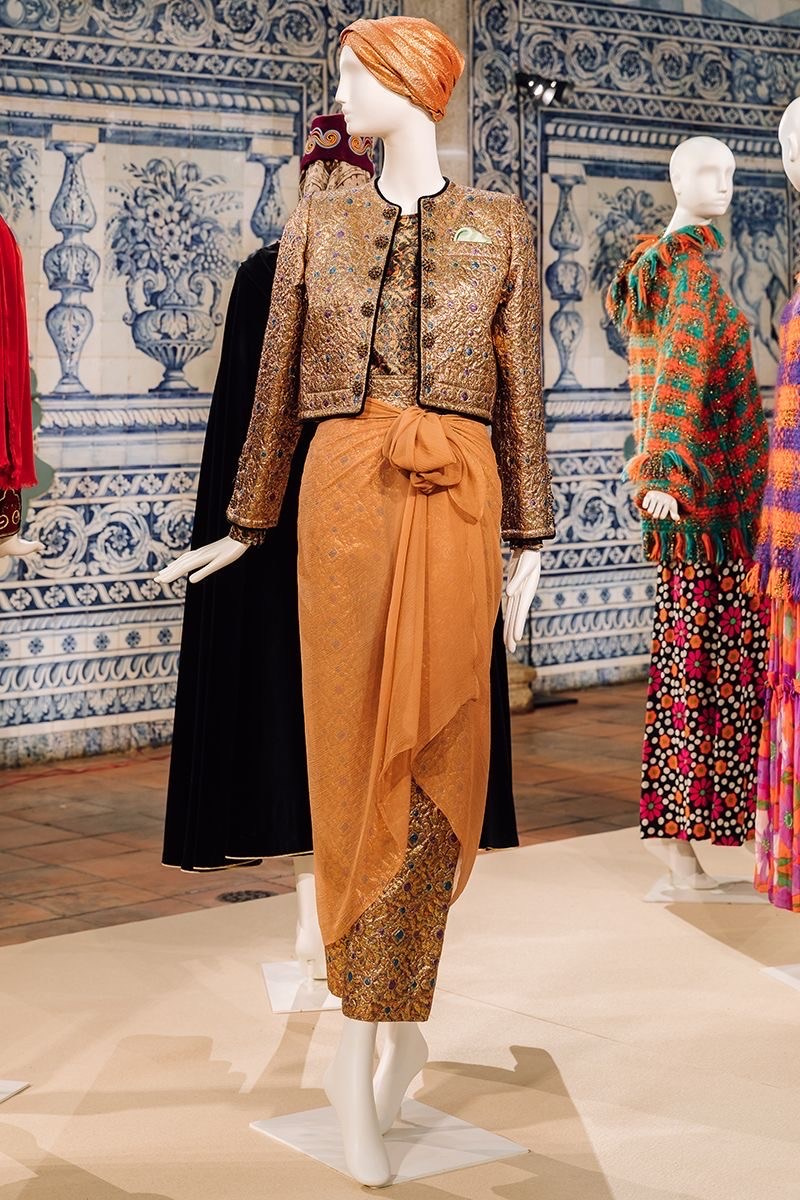
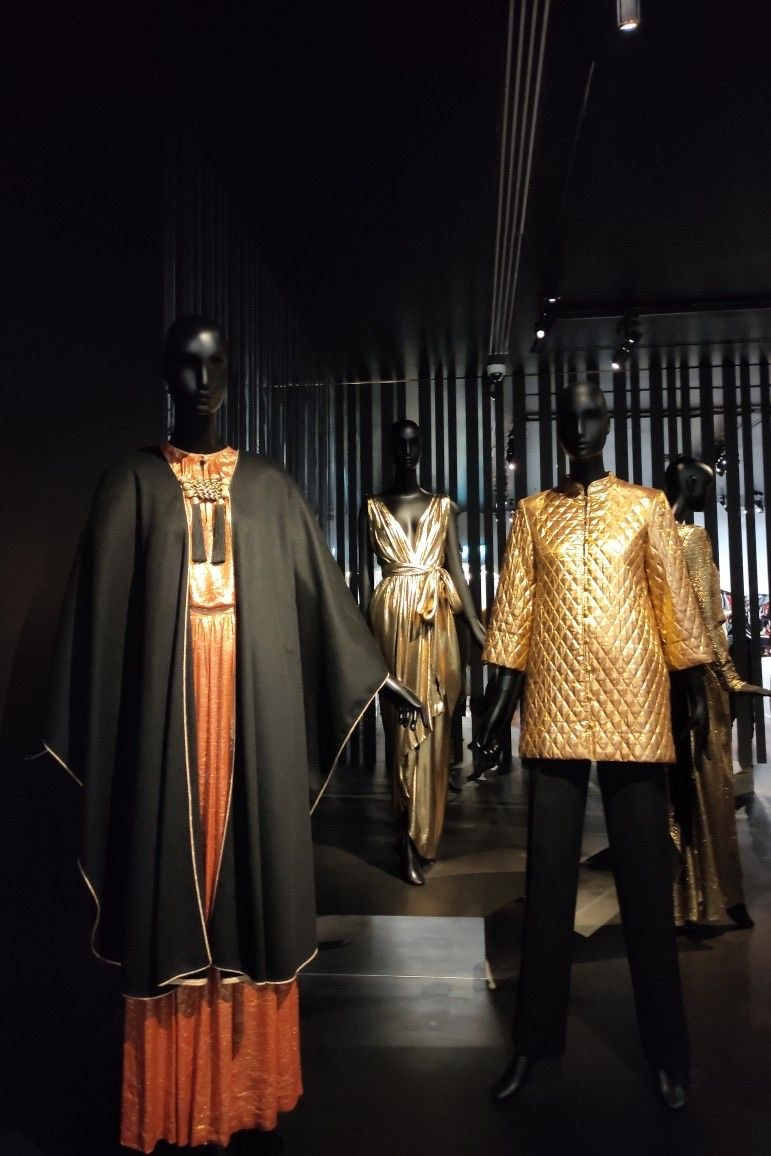
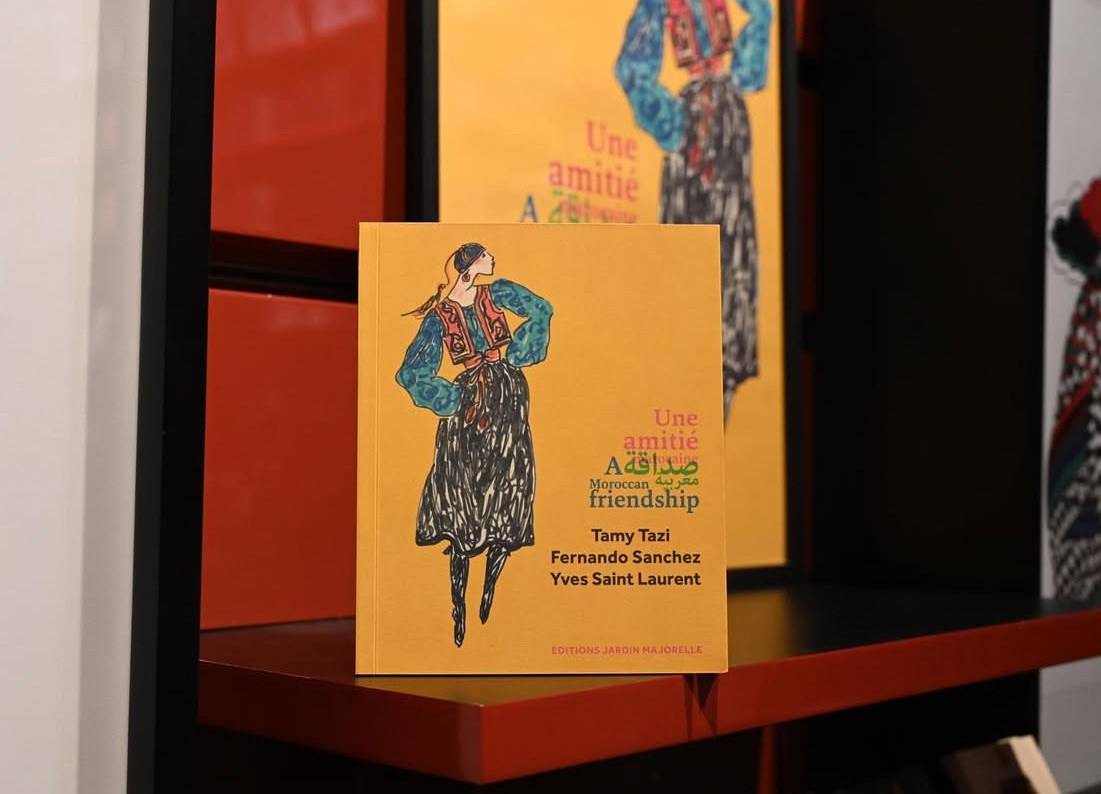
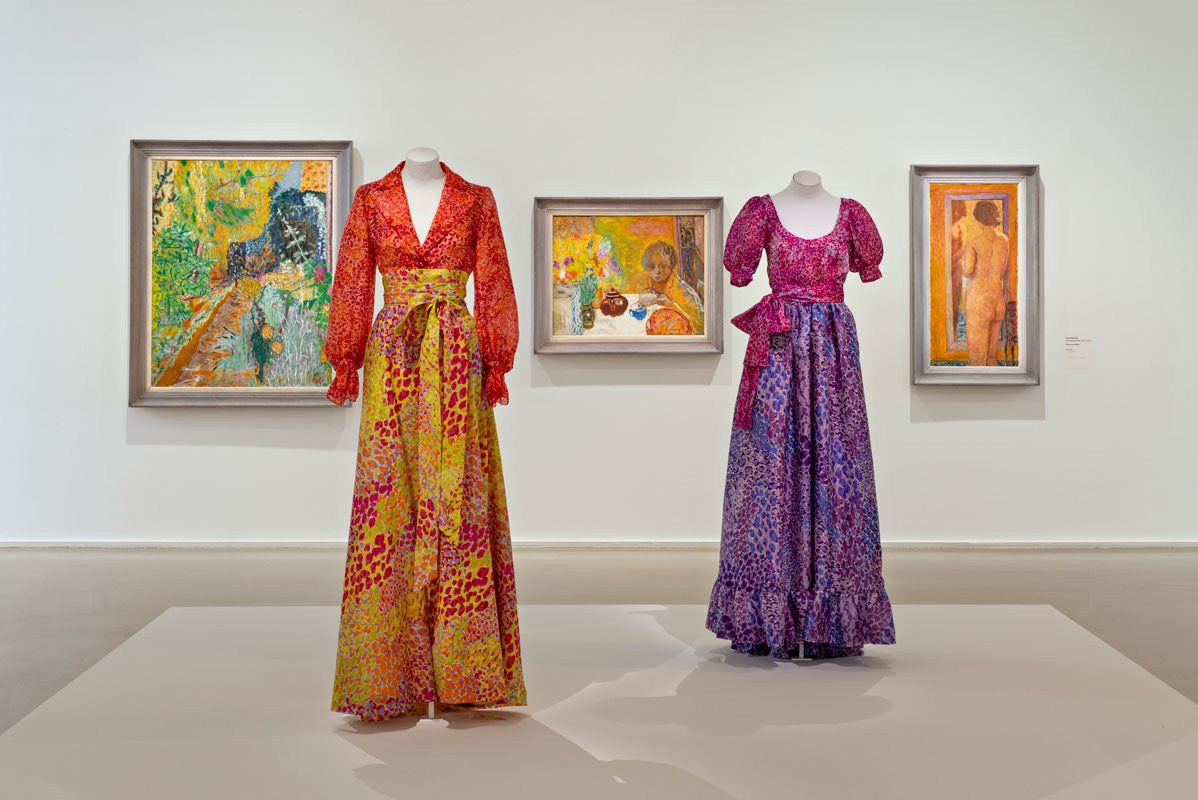
This is what has always fascinated me about Yves Saint Laurent. He did not borrow from the East. He listened to it.
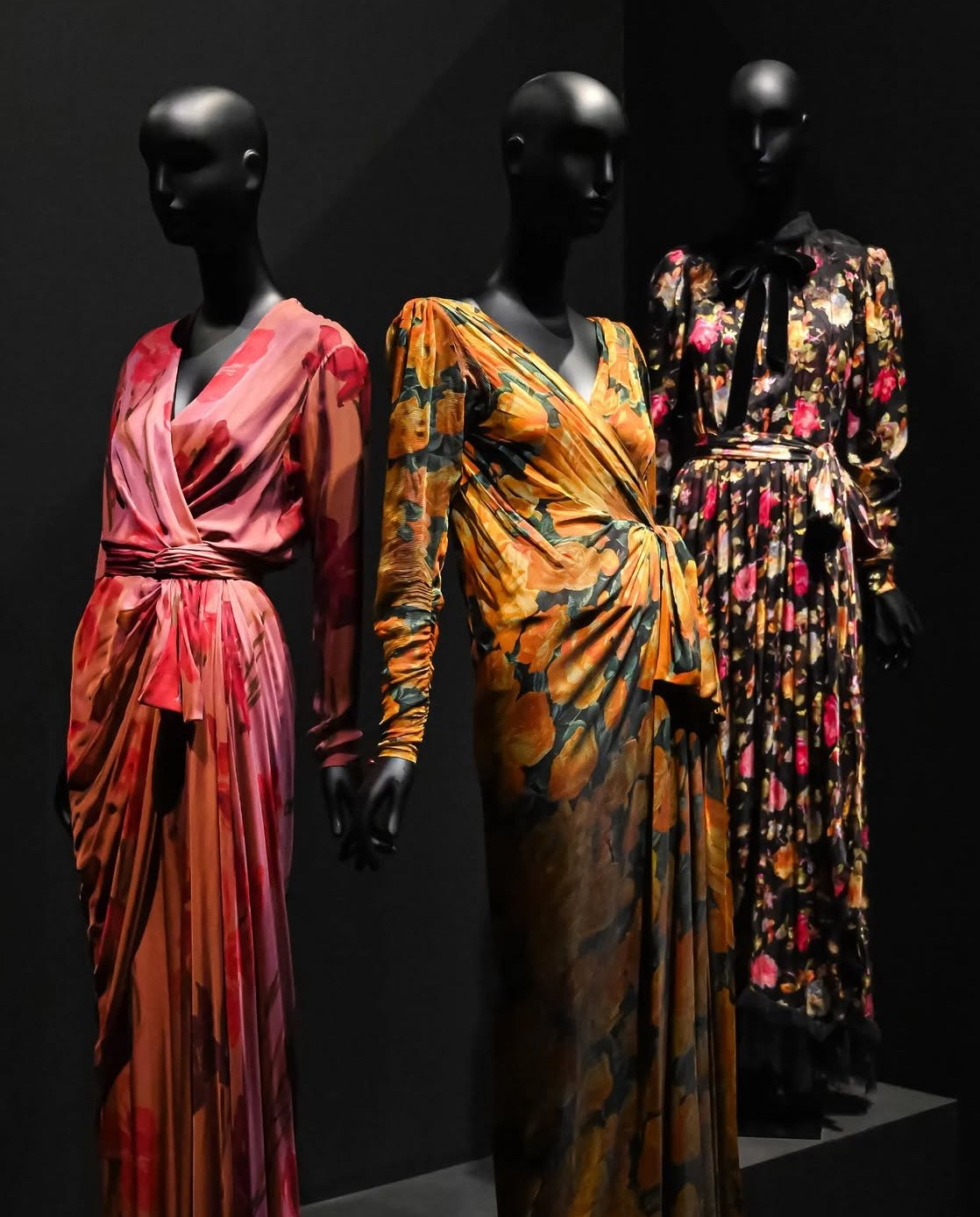
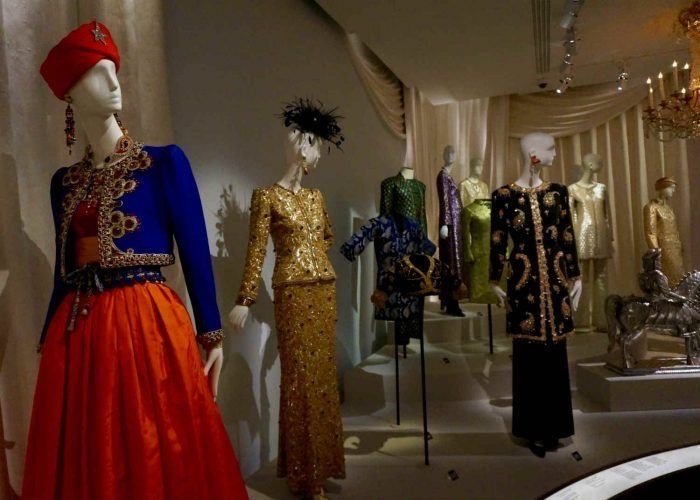
His work was never about reproducing Morocco. It was about translating an emotion into another medium. A colour became velvet. A tiled courtyard became embroidery. The blue of Majorelle became memory.
The greatest designers rarely invent beauty from nothing. They collect it.
Not as souvenirs, but as visual experiences that settle into the imagination until they return transformed into something entirely new.
That idea feels deeply familiar to me.
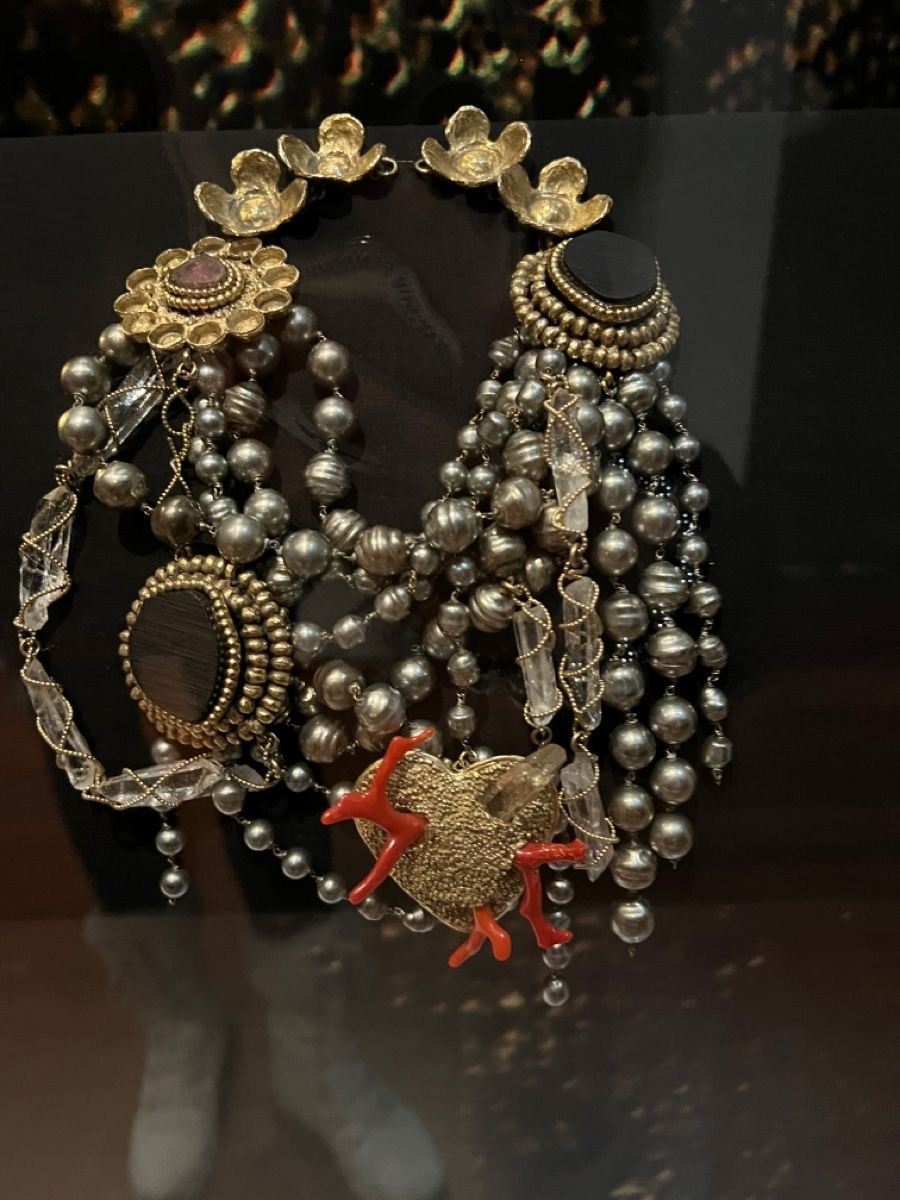
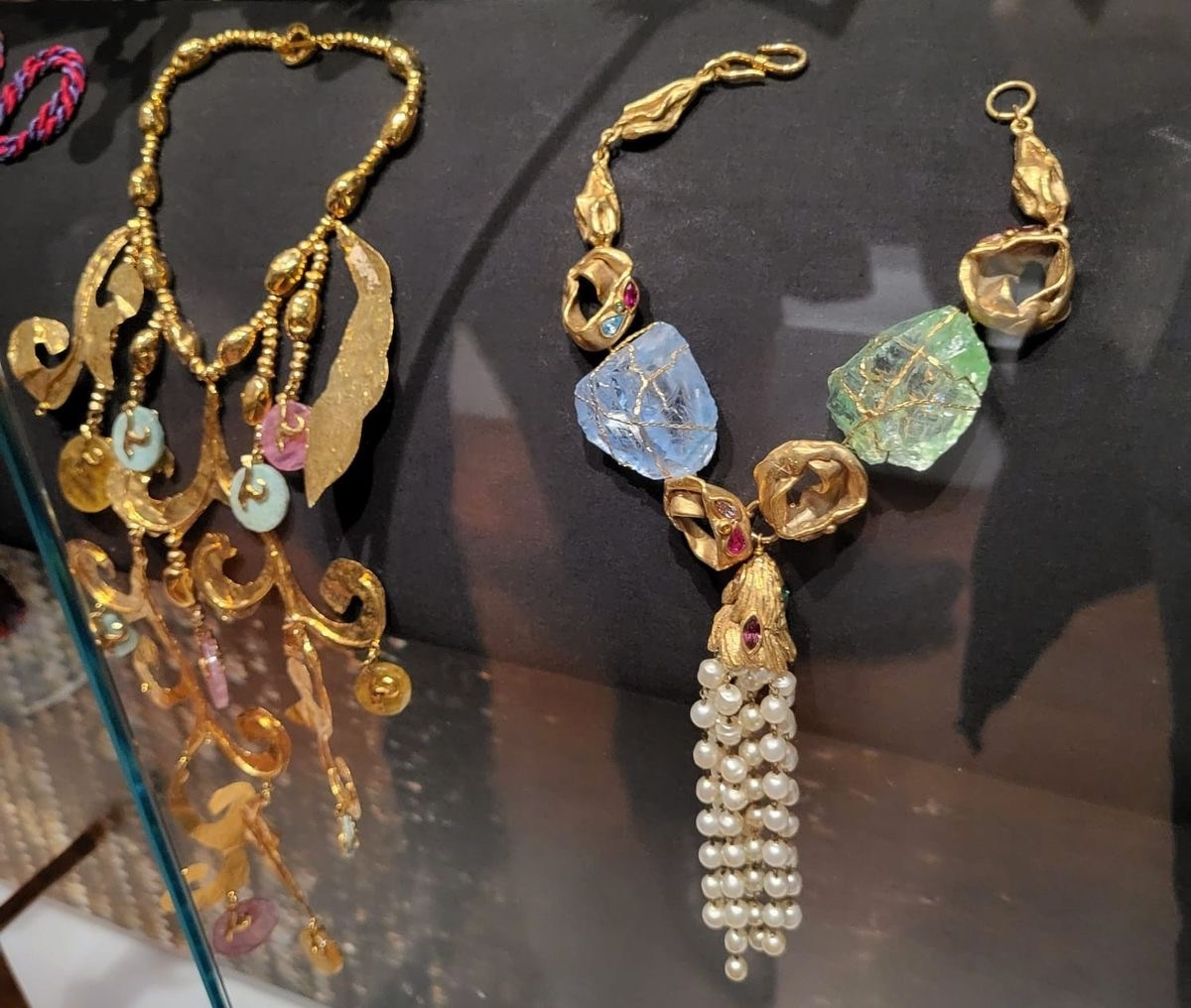
Collecting has never been about ownership. It is about learning to see. A fragment of coral found on a distant shore, an antique shell, a carved bead, an old textile, an unusual gemstone — each carries the memory of the place it came from. Together they become not a collection of objects, but a collection of encounters.
That is why I have always been drawn to Yves Saint Laurent’s world. And why, after I began studying Vedic astrology several years ago, I found myself equally curious about his natal chart.
Not to search for an explanation of genius — there is no formula for that — but to understand whether the inner world of an artist might echo the world he creates. The more I read his letters, interviews and biographies, the more that connection fascinated me. His collections were never isolated acts of design. They grew from a life immersed in literature, art, travel, architecture and collecting.
That, to me, is the true lesson.
Style is not assembled from clothes.
It is assembled from everything we choose to notice.
The places we return to.
The books we keep.
The objects we cannot forget.
And the beauty that quietly becomes part of who we are.













Boho: The Art of Living
The modern idea of Bohemian style emerged during the 1960s. Visually, it shared certain elements with the hippie...
From Saint Petersburg to Milan
You imagine what you desire.
You desire what you imagine.
And eventually, you create it.
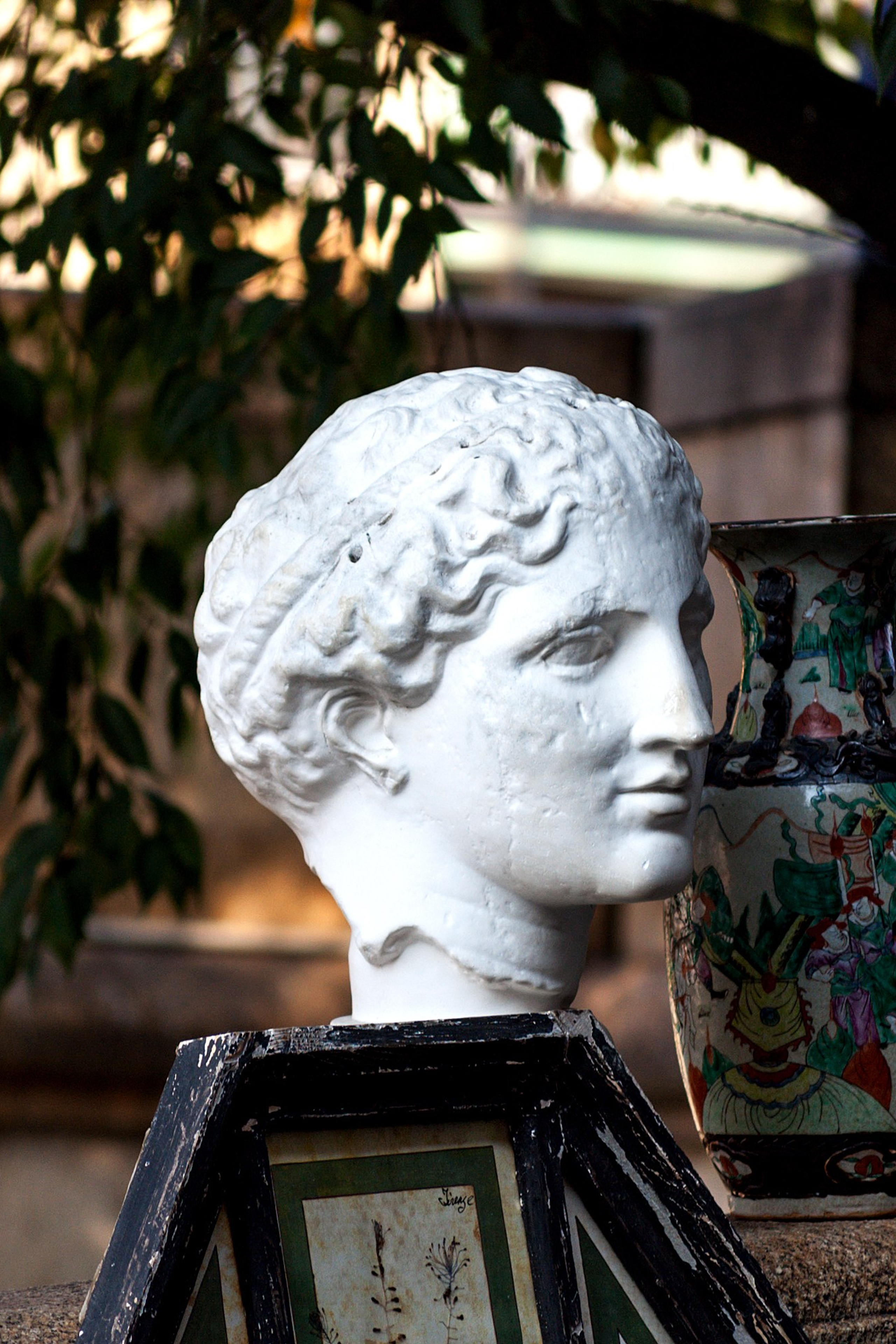
Why I Chose the Unrepeatable
I studied design at university.
One comment from my professors stayed with me for years: my projects always moved...

Eugenika Jewels: Relic Amber — High Jewellery & Collectible Art
A journey into the world of exceptionally rare natural materials, selected as the foundation for the Eugenika Jewels...

Fez and the Art of Ceramics
Fez is one of those cities where craftsmanship has never been separated from everyday life.
Here, traditional crafts...

2026 Trend: Velvet Drawstring Bags and Kisets
In 2026, velvet drawstring bags and kisets in retro and Eastern-inspired styles are at the forefront of fashion. They...
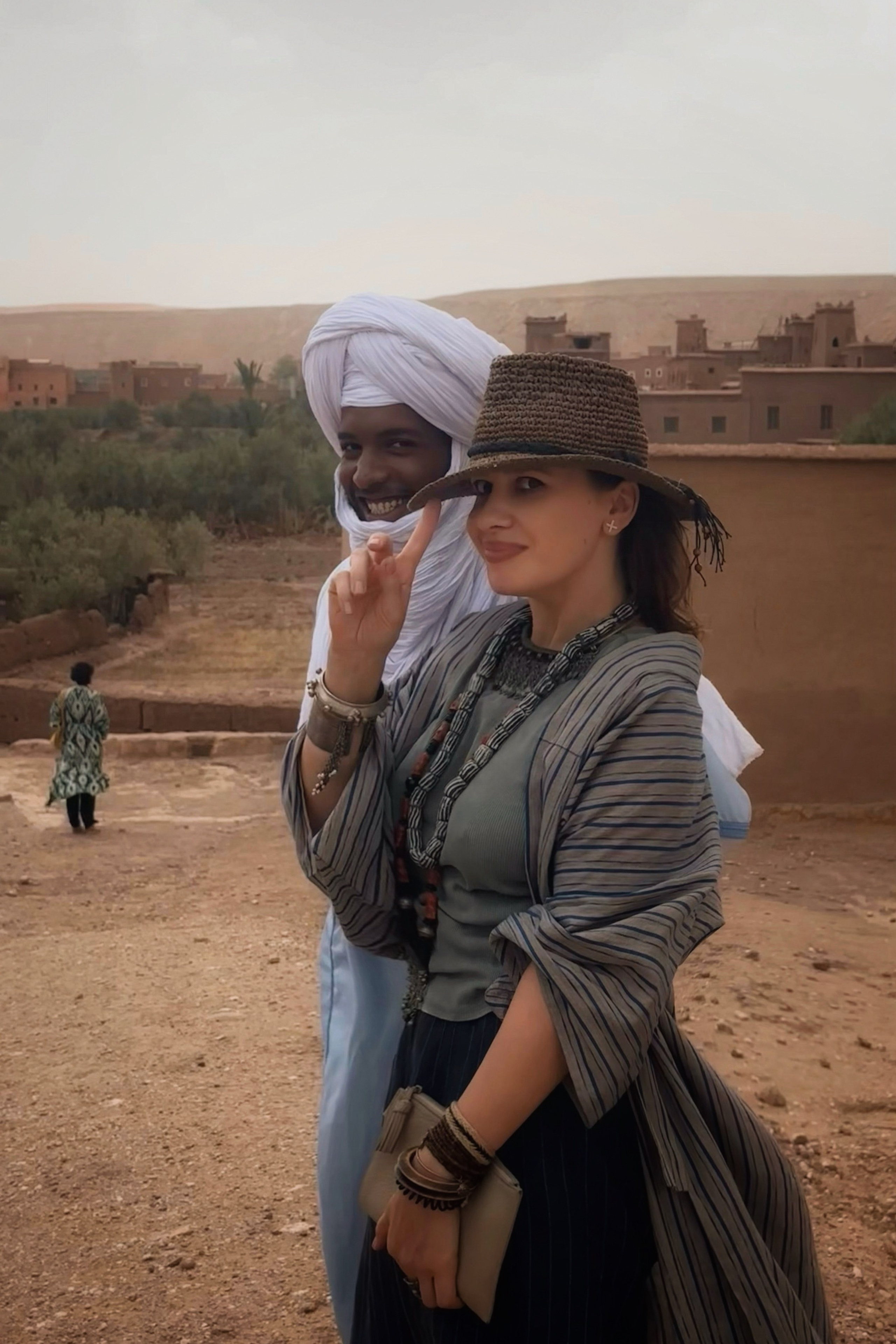
Berber Jewelry of Morocco: A Journey to Aït Benhaddou in Search of Authentic Treasures
There are places where time seems to move differently. Where the dust of the roads, the scent of sun-warmed stone and...

Alexander Calder Jewelry: Art In Motion
Alexander Calder’s jewelry is difficult to describe as mere adornment.
It does not simply decorate the body —...

Cross Jewelry: Symbol, Style and Personal History
Cross jewelry has long moved beyond the boundaries of purely religious symbolism. Today, it is a powerful element...

Robert Goossens: Jewelry as Art and Part of Haute Couture
The name Robert Goossens occupies a singular place in the history of twentieth-century jewelry. His Maison became...

Japanese Silk: A Fabric Where Every Detail Matters
In Japan, silk has never been simply a material. It was chosen not only for its colour or pattern, but also for the...
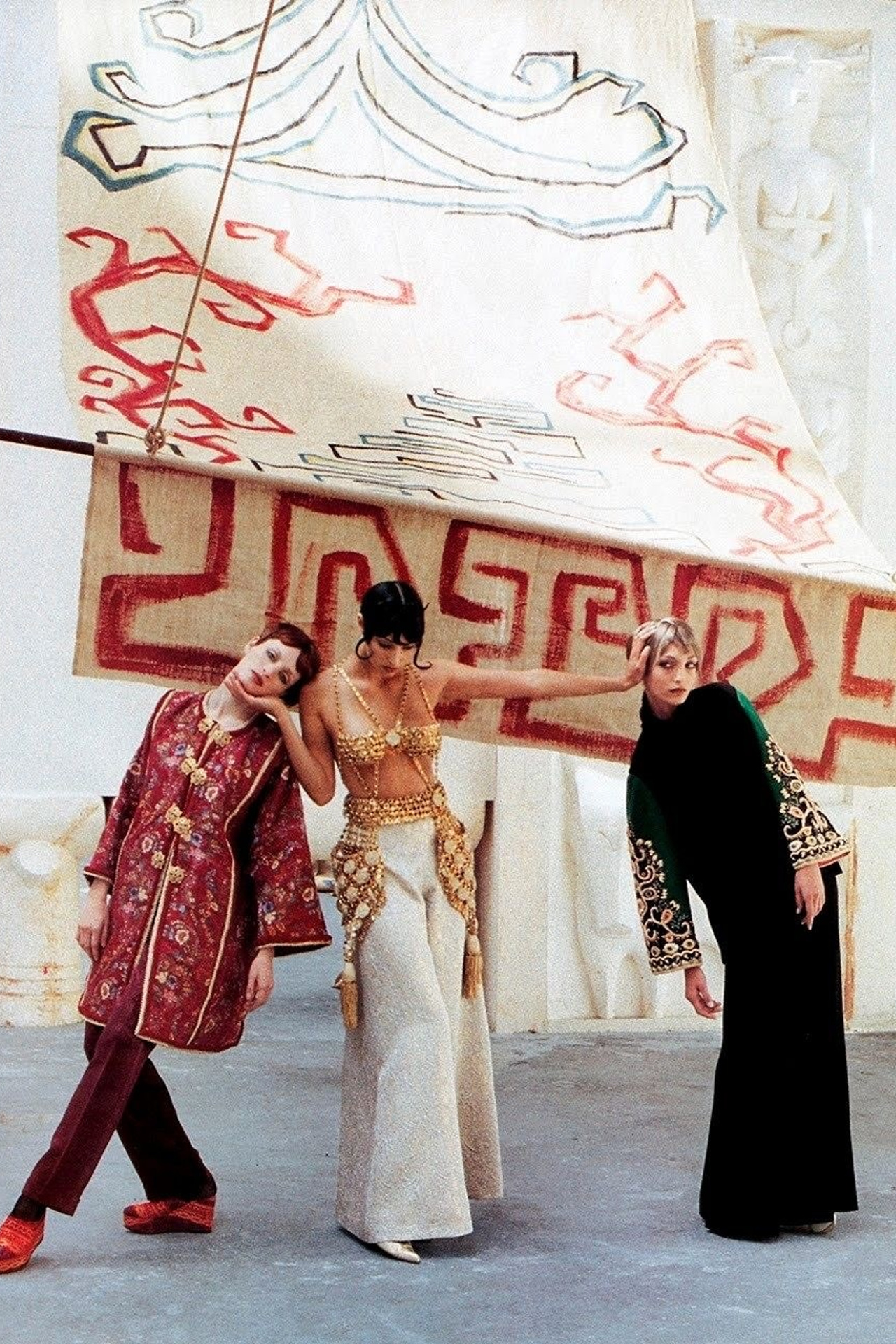
Cultural Convergence: Design, Natural Materials and Handmade Designer Jewellery
The world is changing rapidly, and with it, the language of design and fashion. Increasingly, it reflects broader...
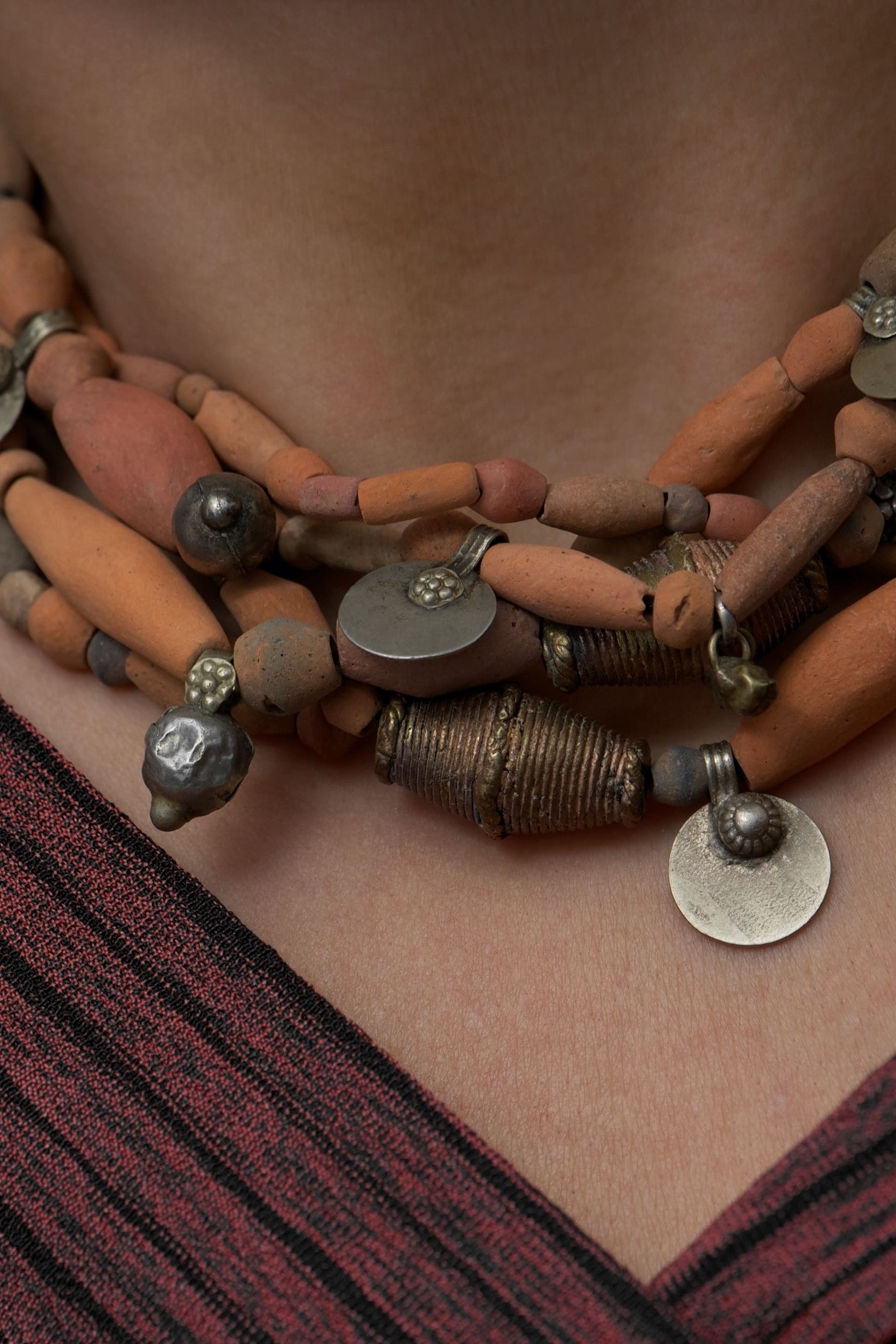
Clay as Code: Jewellery with Ancient Memories
Ethnic Necklaces and Bracelets with Clay Beads: Contemporary Style with Ancient Roots

Costume Jewellery, Haute Fantaisie & Art Jewellery by Eugenika Jewels
Jewellery is more than an accessory. It is a way to express individuality, define a personal style and create...