A Technique That Demands Precision
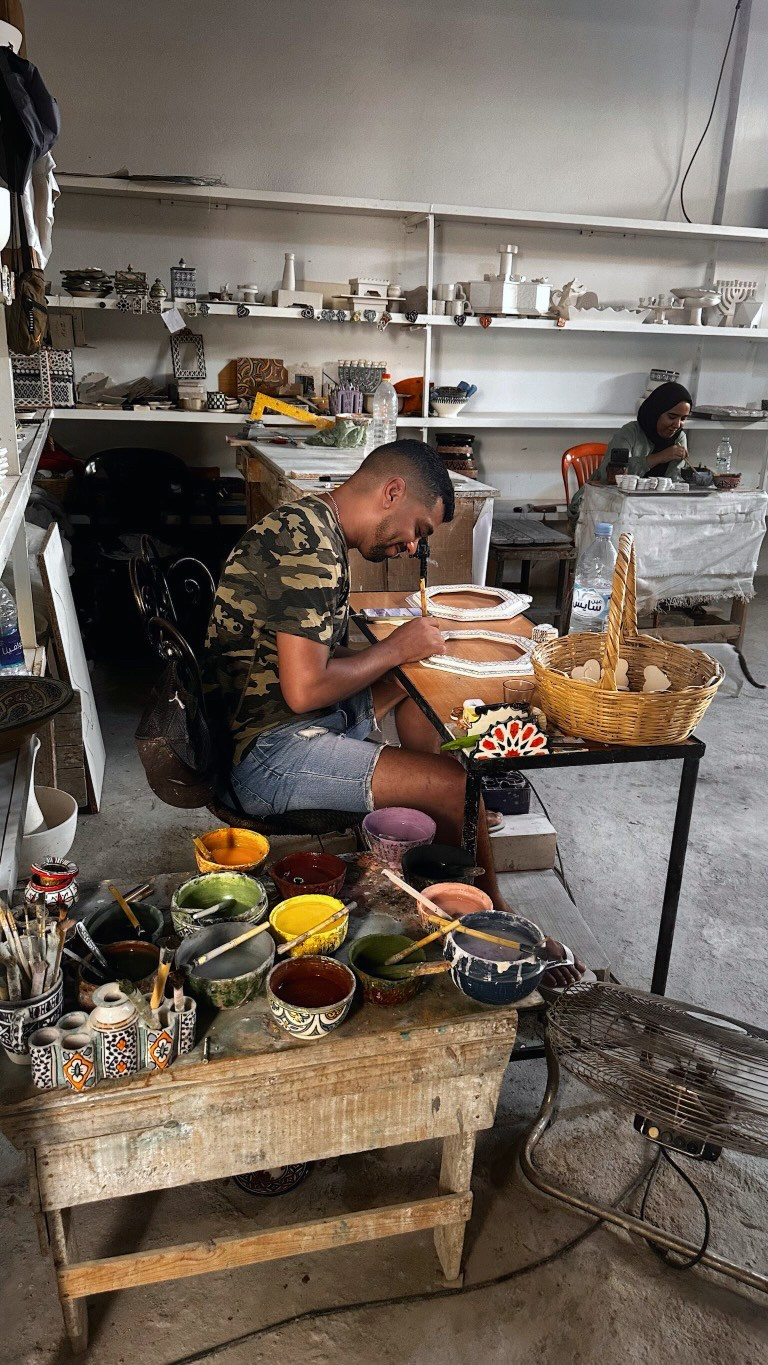
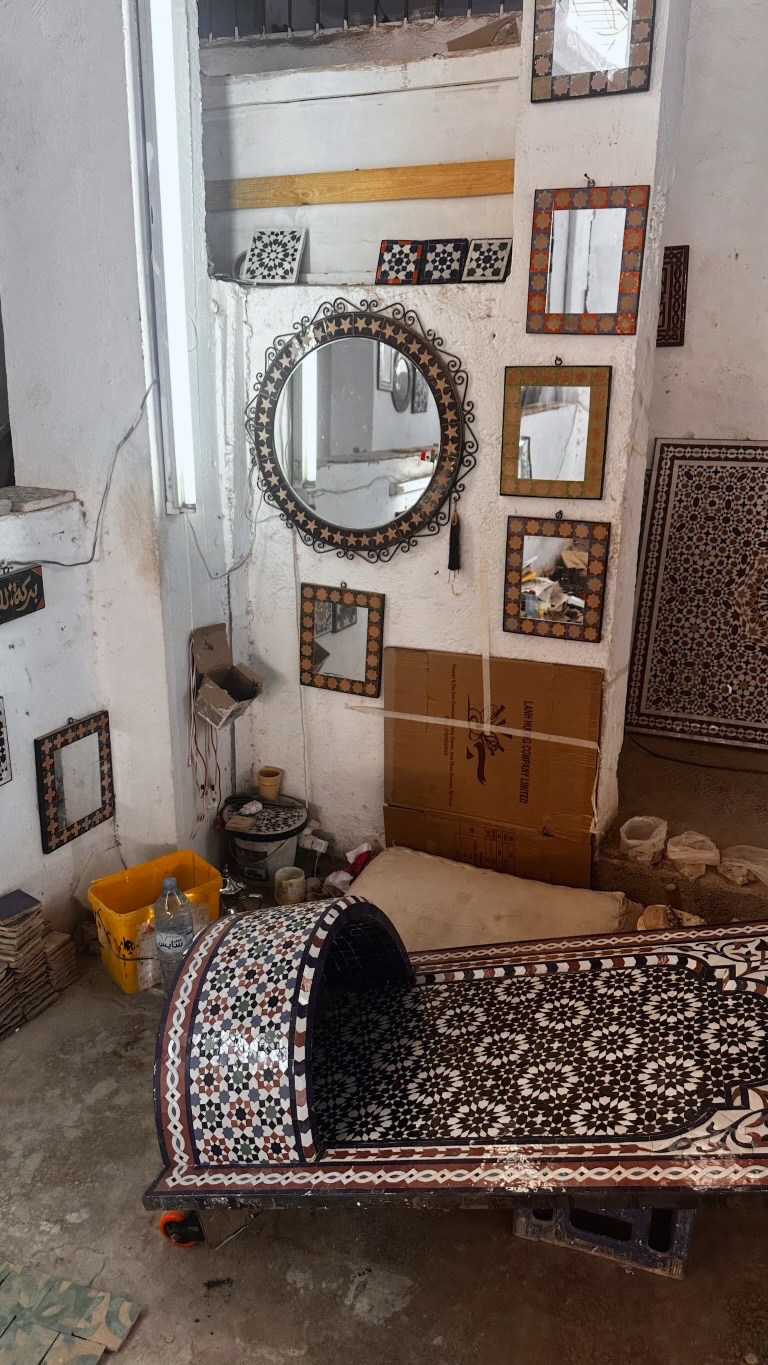
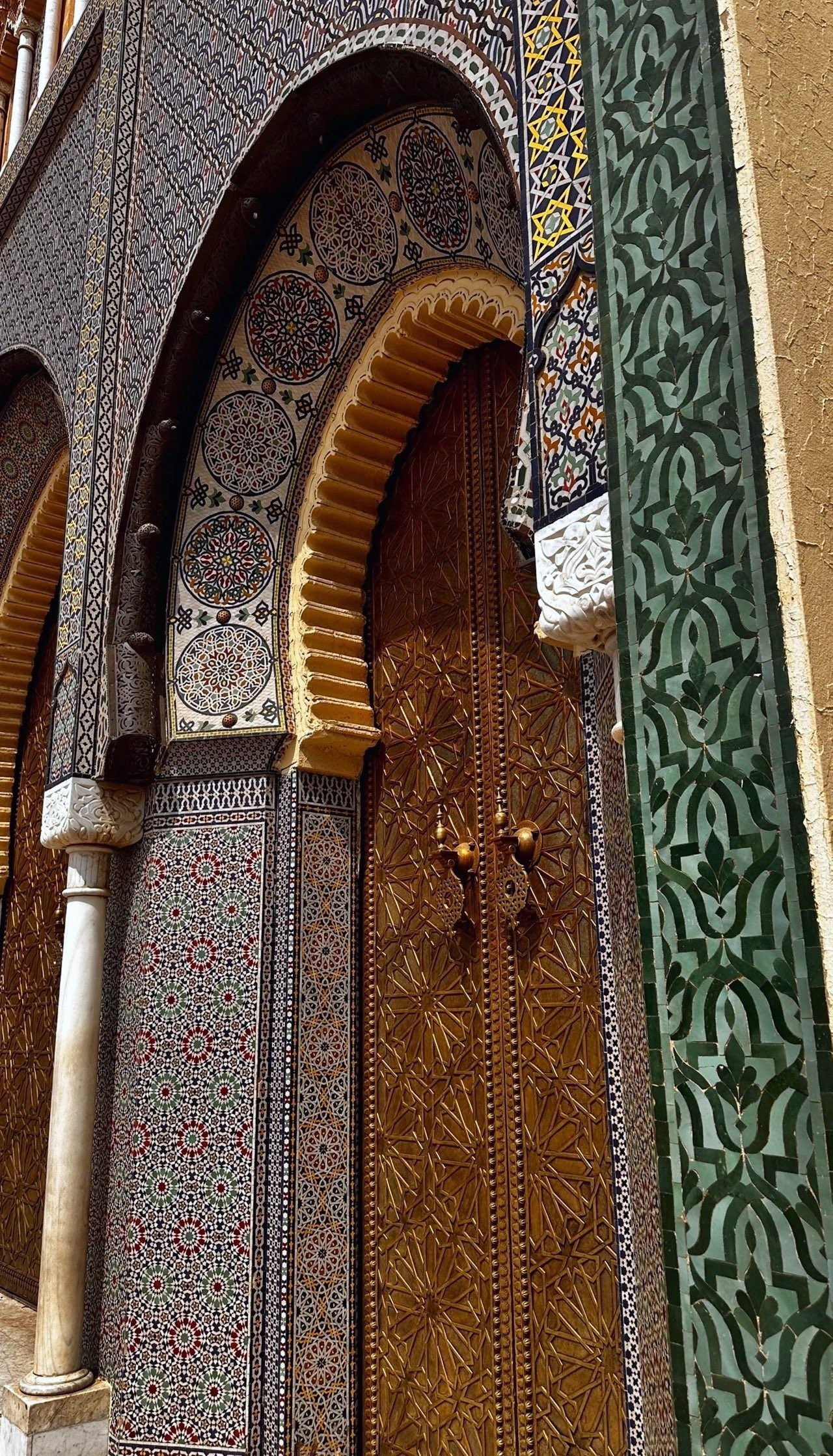
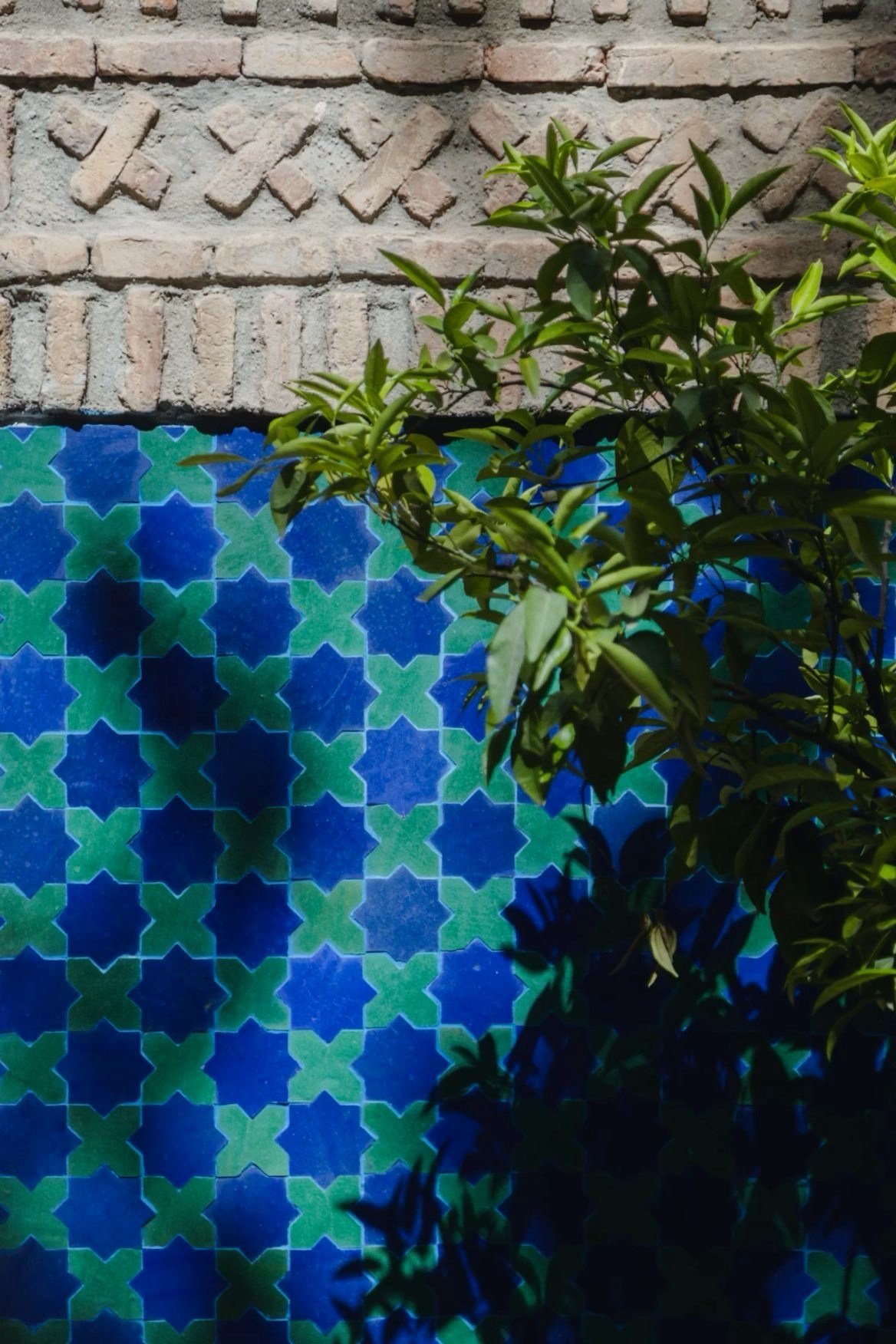
Zellige is composed of individual pieces, traditionally cut by hand from glazed ceramic panels. Each fragment has a precise geometric form and only becomes part of an ornament when combined with others.
The earliest versions were relatively simple: monochrome tiles arranged into geometric compositions. Later, the technique became more sophisticated. Artisans began producing large glazed panels, which were then cut into individual elements for increasingly complex patterns.
There was also another method: individual shapes were cut first, then glazed and fired. This approach is associated with the Andalusian tradition.
In both cases, the final result depended less on the tools themselves than on precision, calculation and the experience of the craftsman.
Between Morocco and Andalusia
The development of zellige cannot be considered separately from the cultural exchange between Morocco and Muslim Spain.
From the 12th century until the fall of Granada in 1492, craft traditions travelled together with the artisans who practiced them. The influence of Byzantine mosaics, Andalusian techniques and Islamic geometric design gradually formed the distinctive ornamental language that is now closely associated with Morocco.
There is also a traditional account that Yusuf ibn Tashfin, ruler of Marrakech, invited Andalusian craftsmen to his court. Whatever the historical accuracy of this particular story, the close connection between the craft traditions of Morocco and Andalusia is well established.
The Material and Its Properties
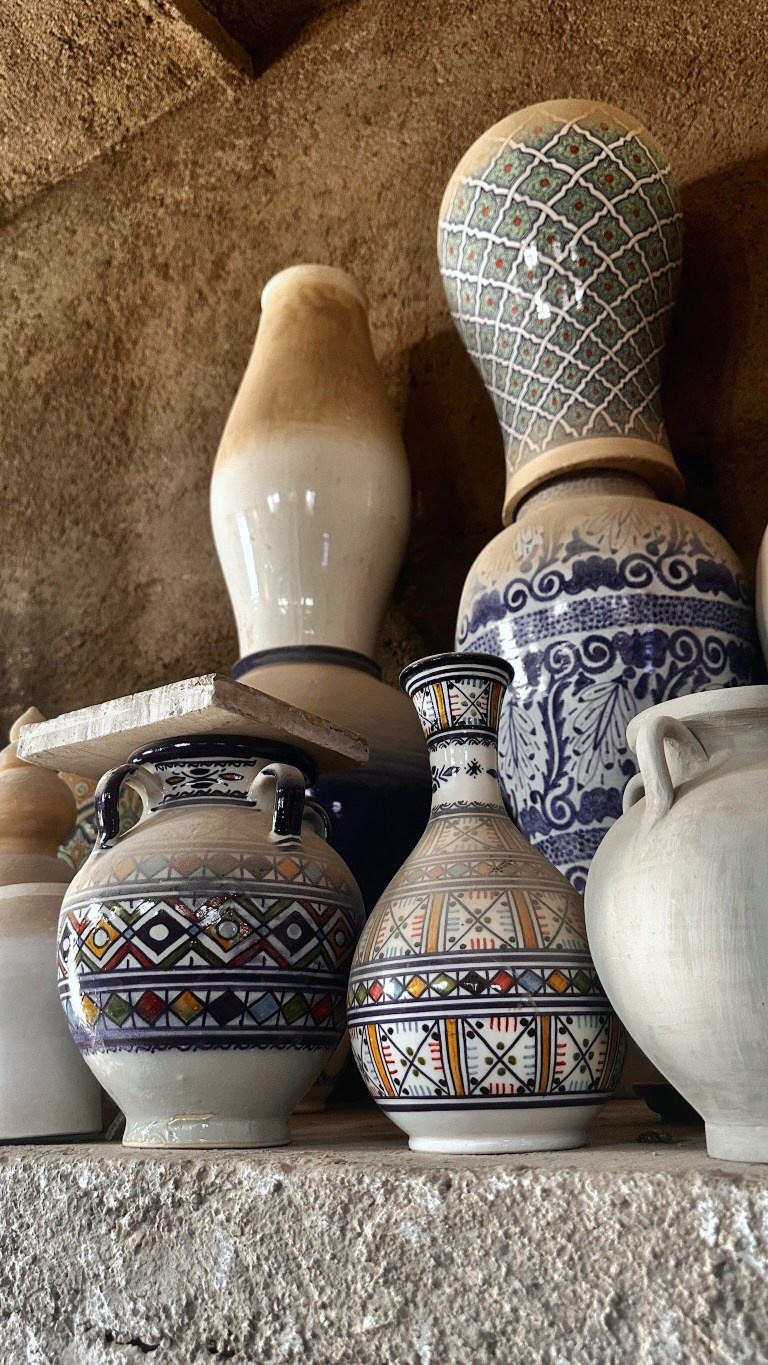
Ceramics occupy a distinctive place among decorative materials.
They combine strength and fragility, precise geometry and a constantly changing surface.
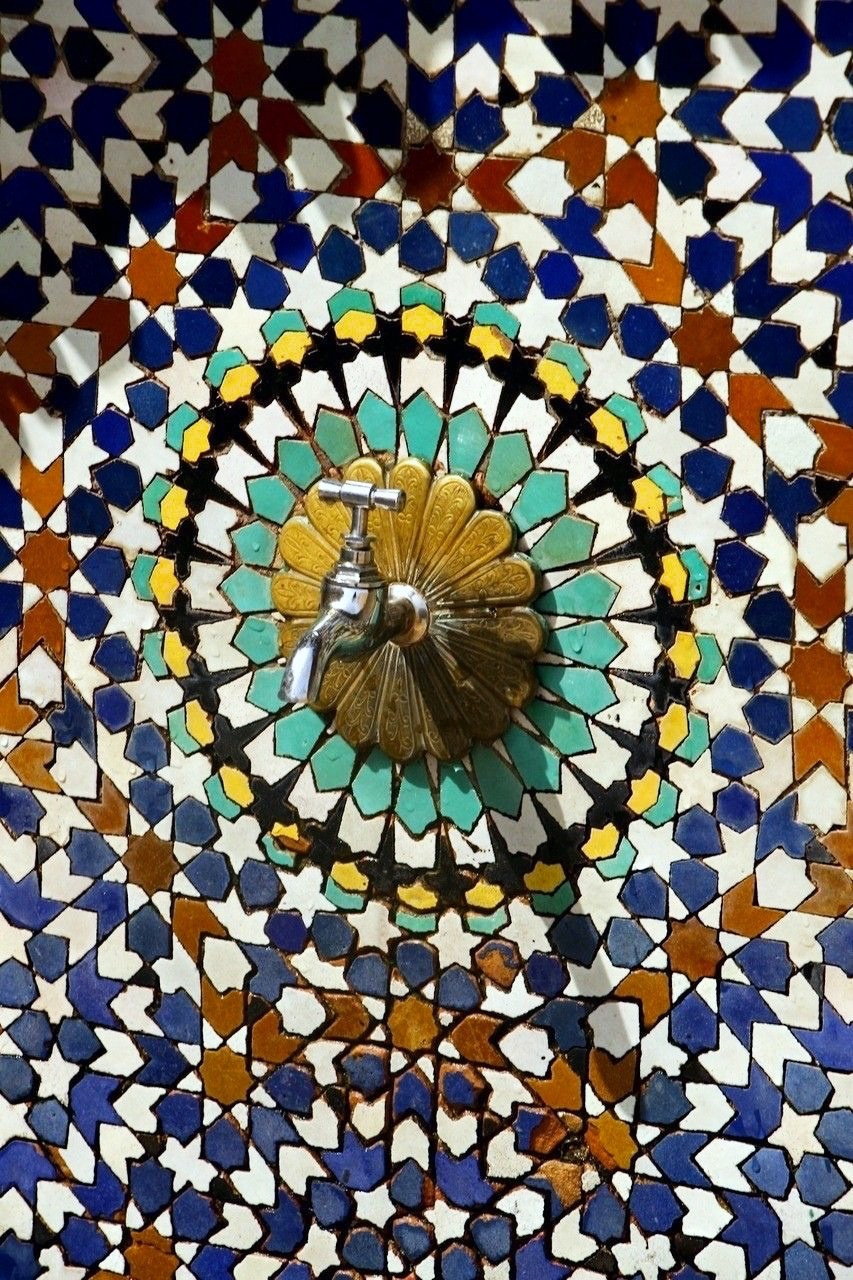
Glaze gives ceramics their colour, but it does not make the surface completely uniform.
Even when the technique is carefully controlled, each tile retains subtle variations. In architecture, these differences create the impression of a surface that is both unified and alive.
From Architecture to Object
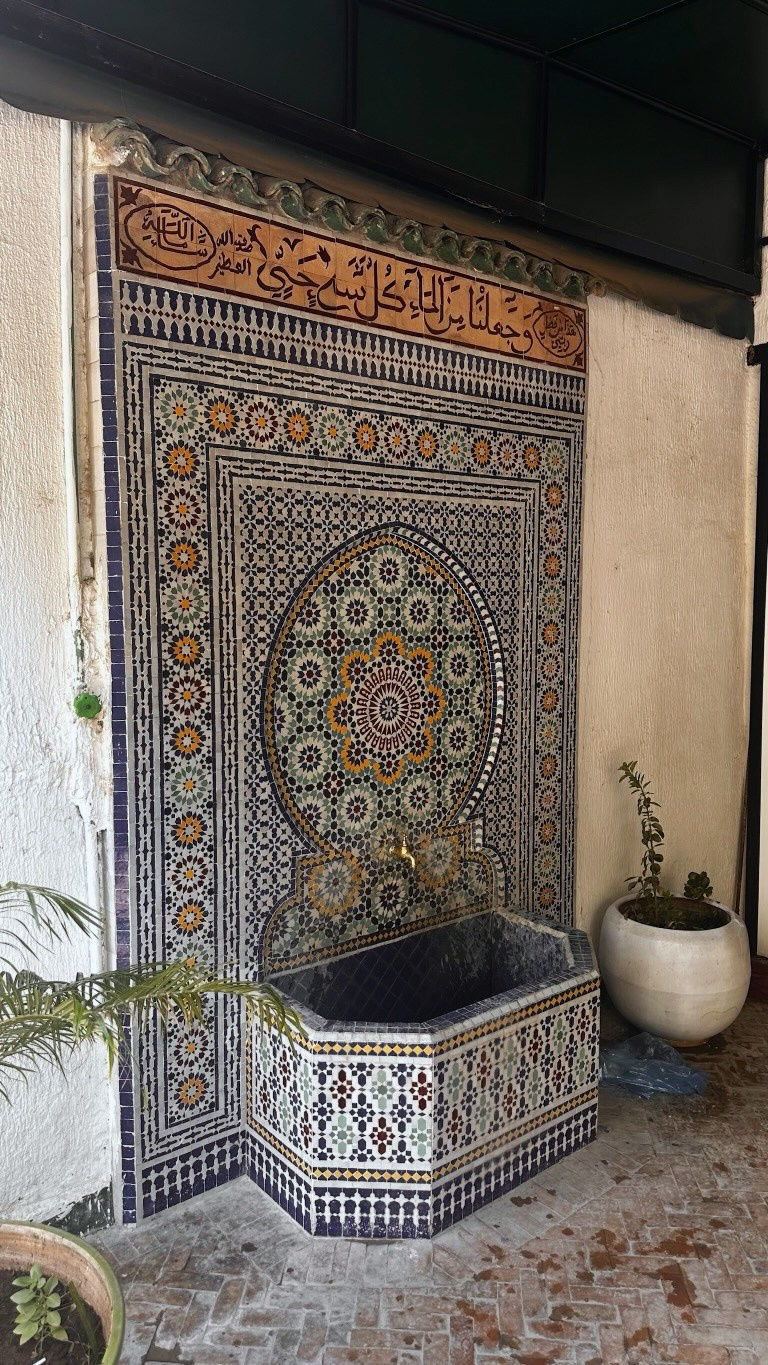
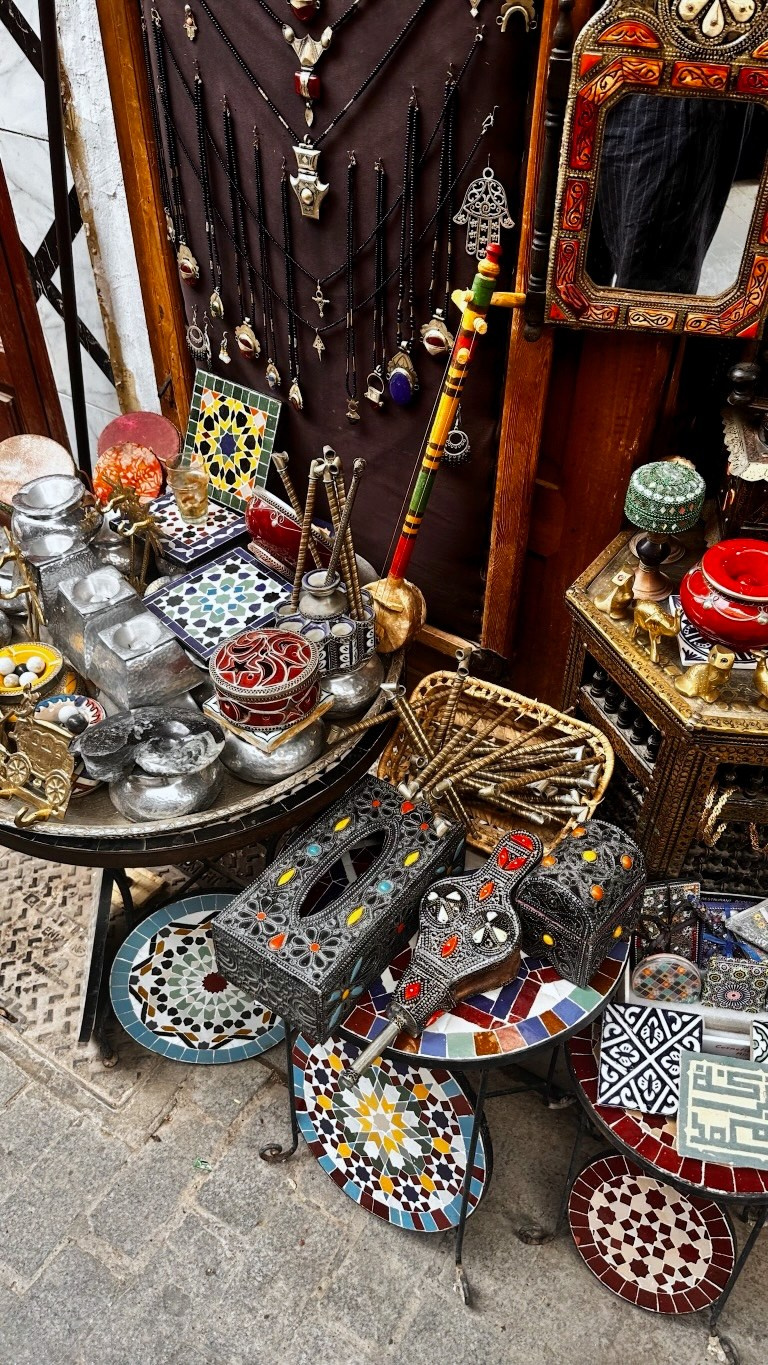
Originally, ceramics were part of the architectural environment: used for walls, floors and fountains.
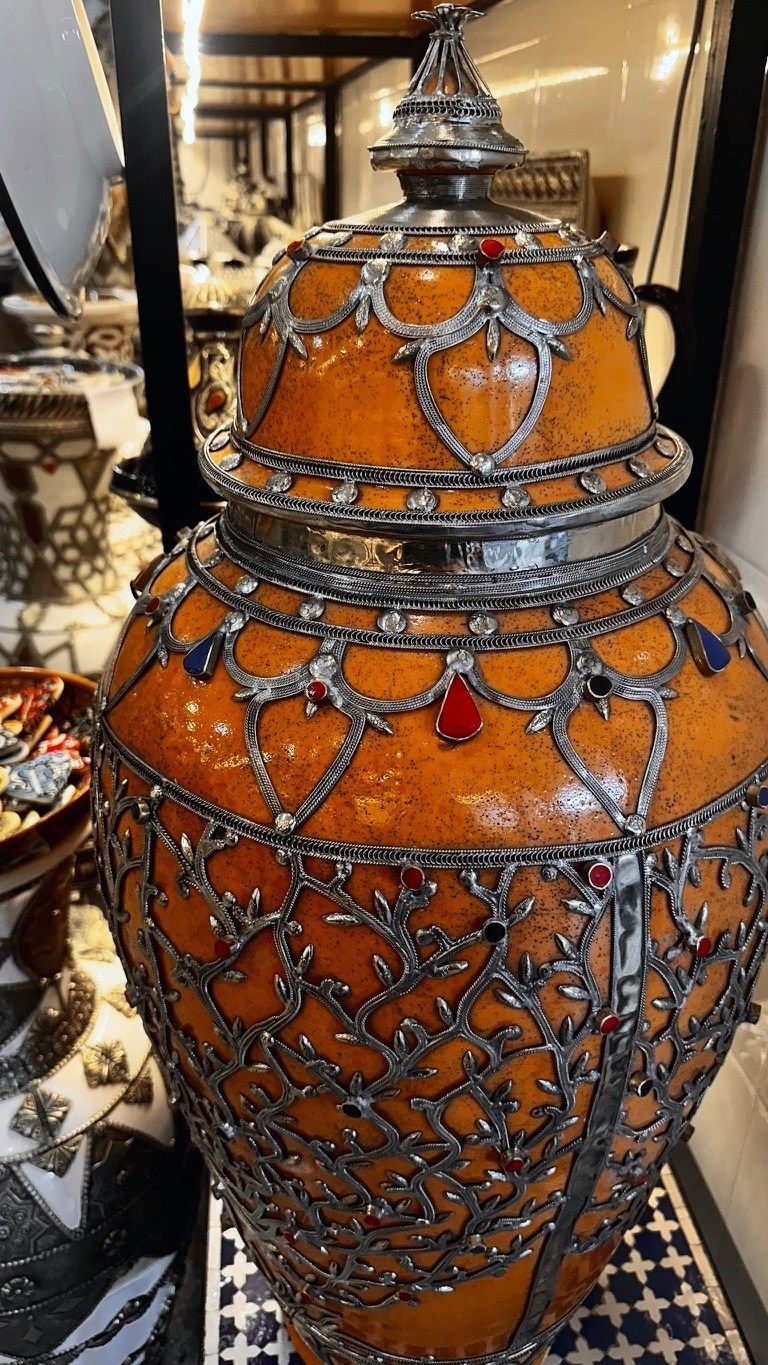
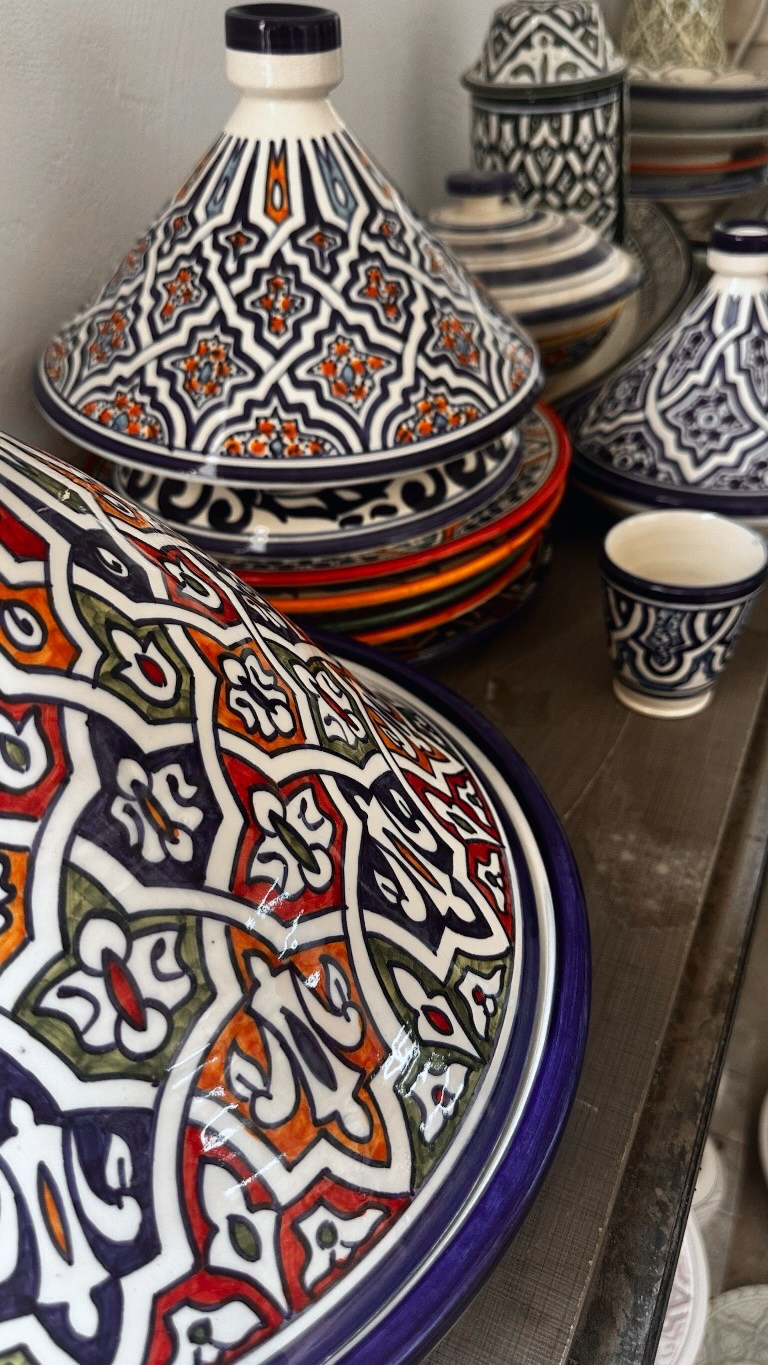
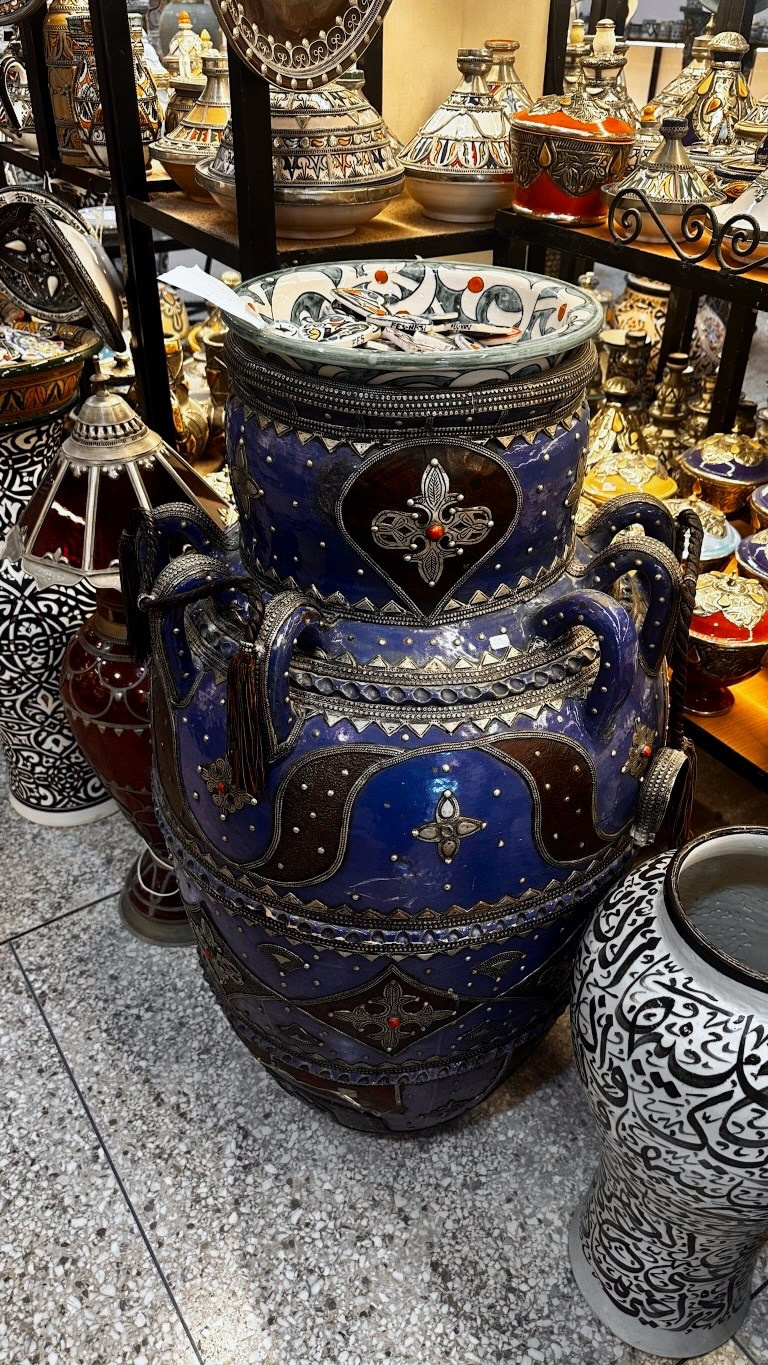
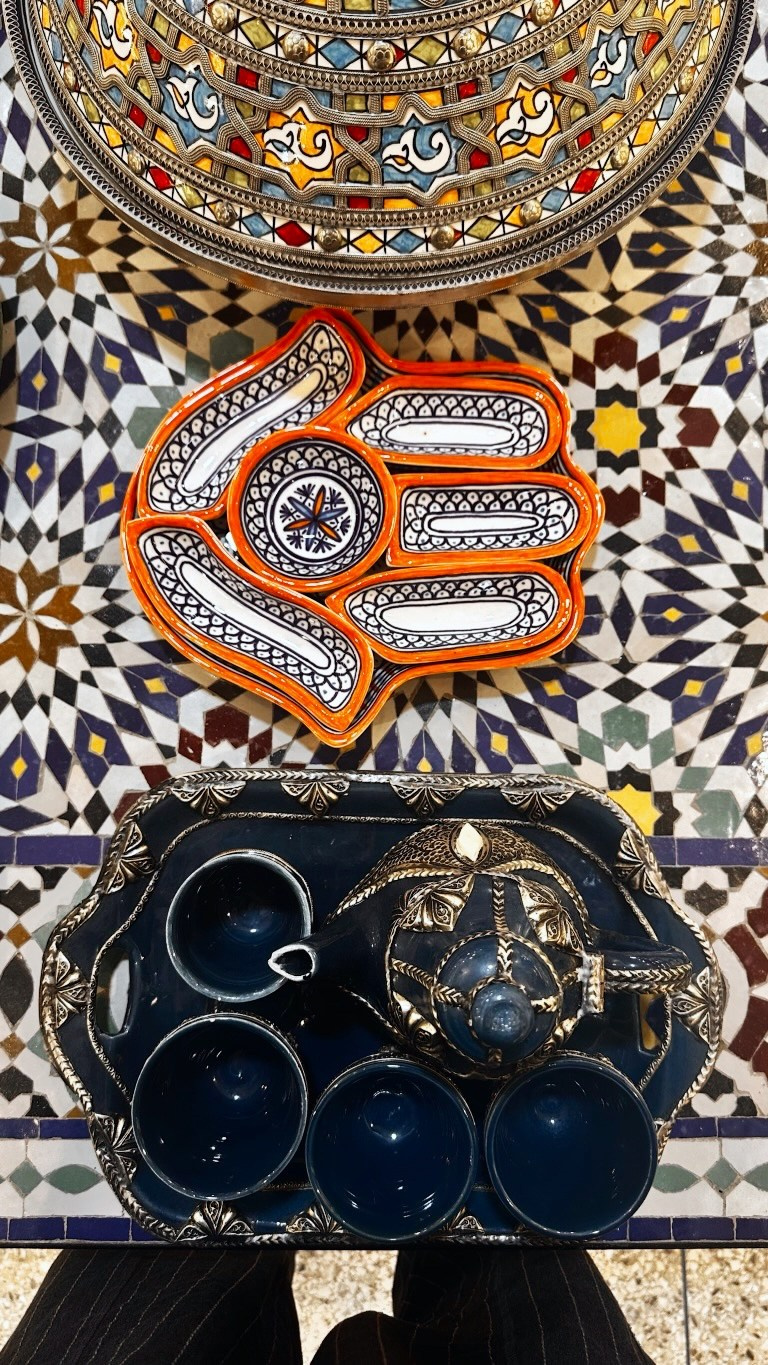
Over time, the same material began to appear in objects on a smaller scale. What changes is not so much the ceramic itself as its role.
What once shaped an architectural environment gradually becomes part of the personal space of the individual.
Contemporary Applications
Today, renewed interest in ceramics is connected not only with tradition, but also with a growing appreciation of the material itself.
Objects are once again valued for their physical qualities:
surface structure;
colour stability;
tactile character.
The same applies to jewellery. Ceramic retains its essential qualities — density, smoothness and depth of colour — while appearing on an entirely different scale.
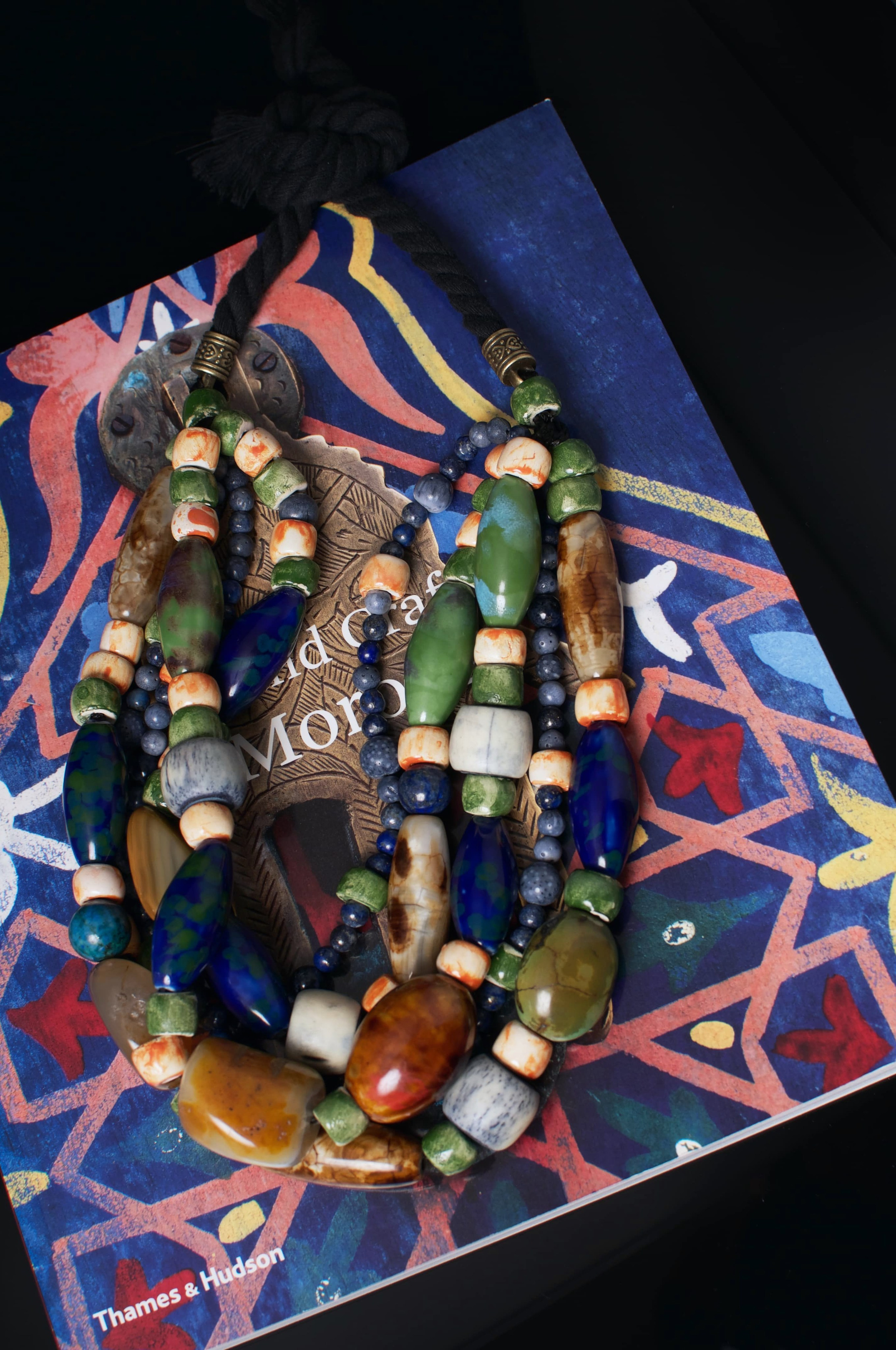

Jewellery as an Extension of the Material
In jewellery, ceramic leaves the architectural environment and becomes part of everyday dress.
This does not require the tradition itself to change. Rather, it demonstrates its ability to endure.
A material that has been used for centuries remains relevant when translated into contemporary forms.
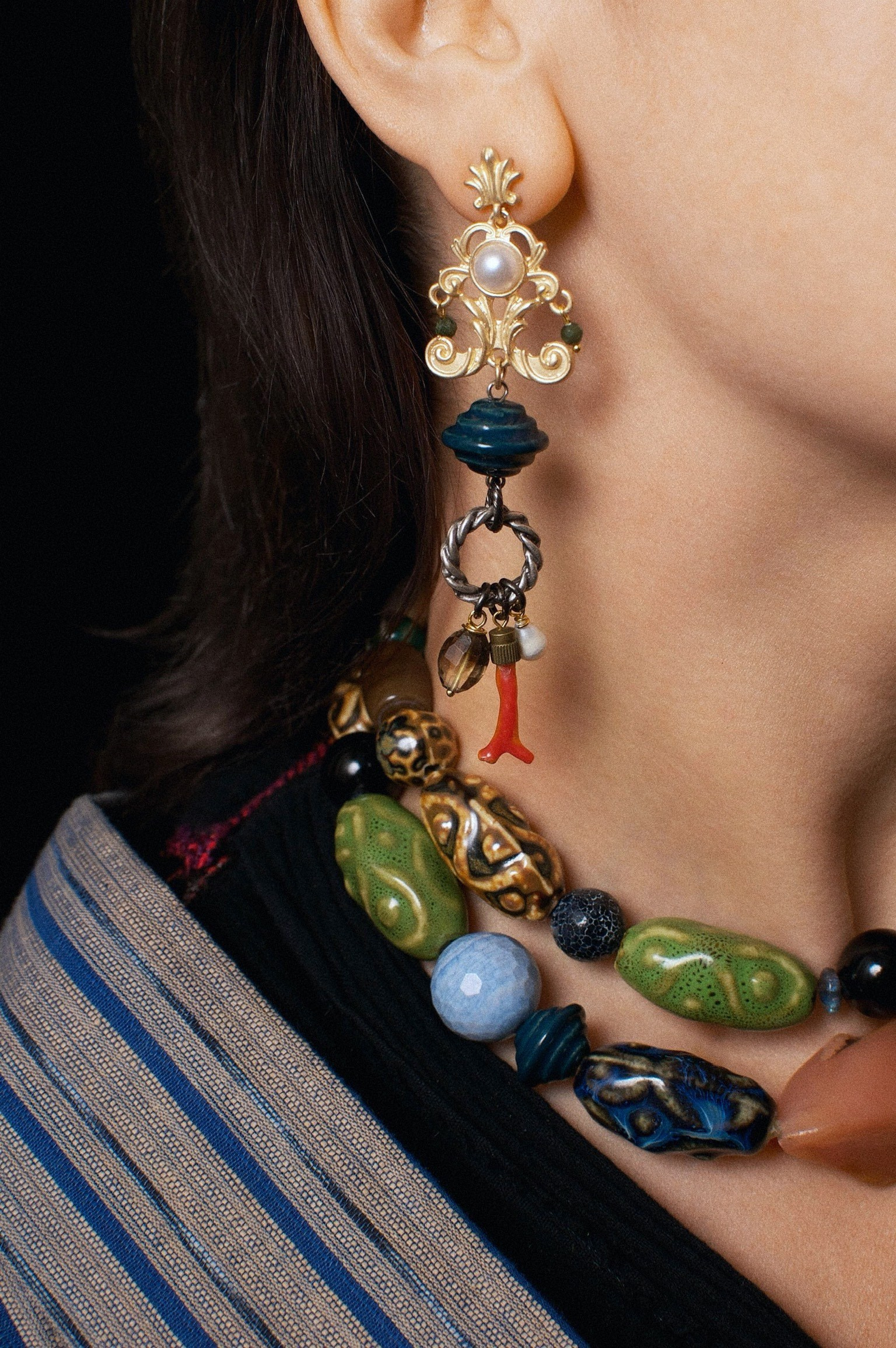
Ceramic jewellery is perceived differently from pieces made entirely from uniform materials. It retains the traces of the handmade process and of the material itself — its surface, irregularities and individual character.
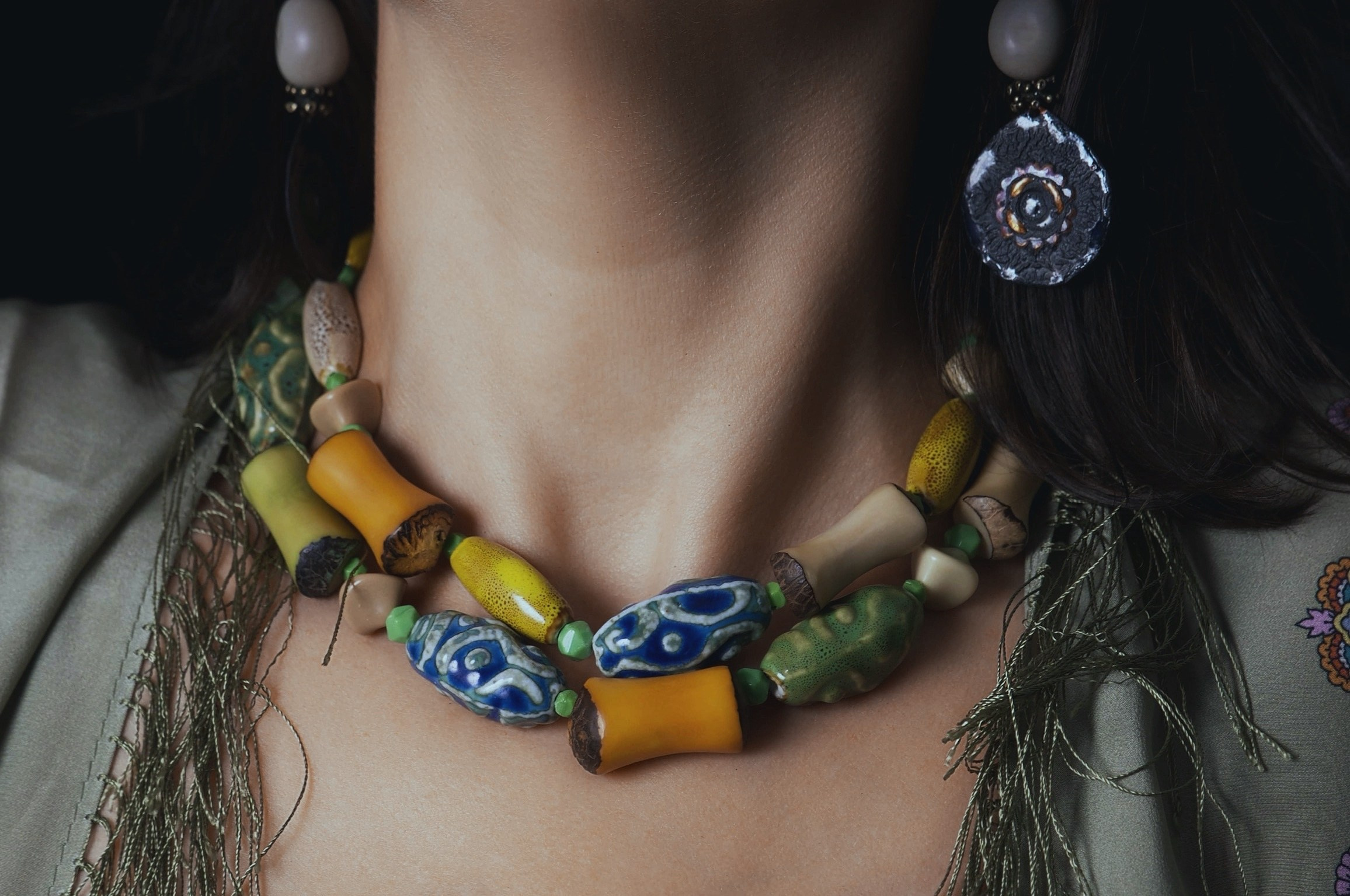
Eugenika Jewels
At Eugenika Jewels, ceramic is used as an independent material with its own history and character. Its natural qualities are not concealed or overwhelmed by excessive decoration.
Colour, surface and form remain at the centre of attention.
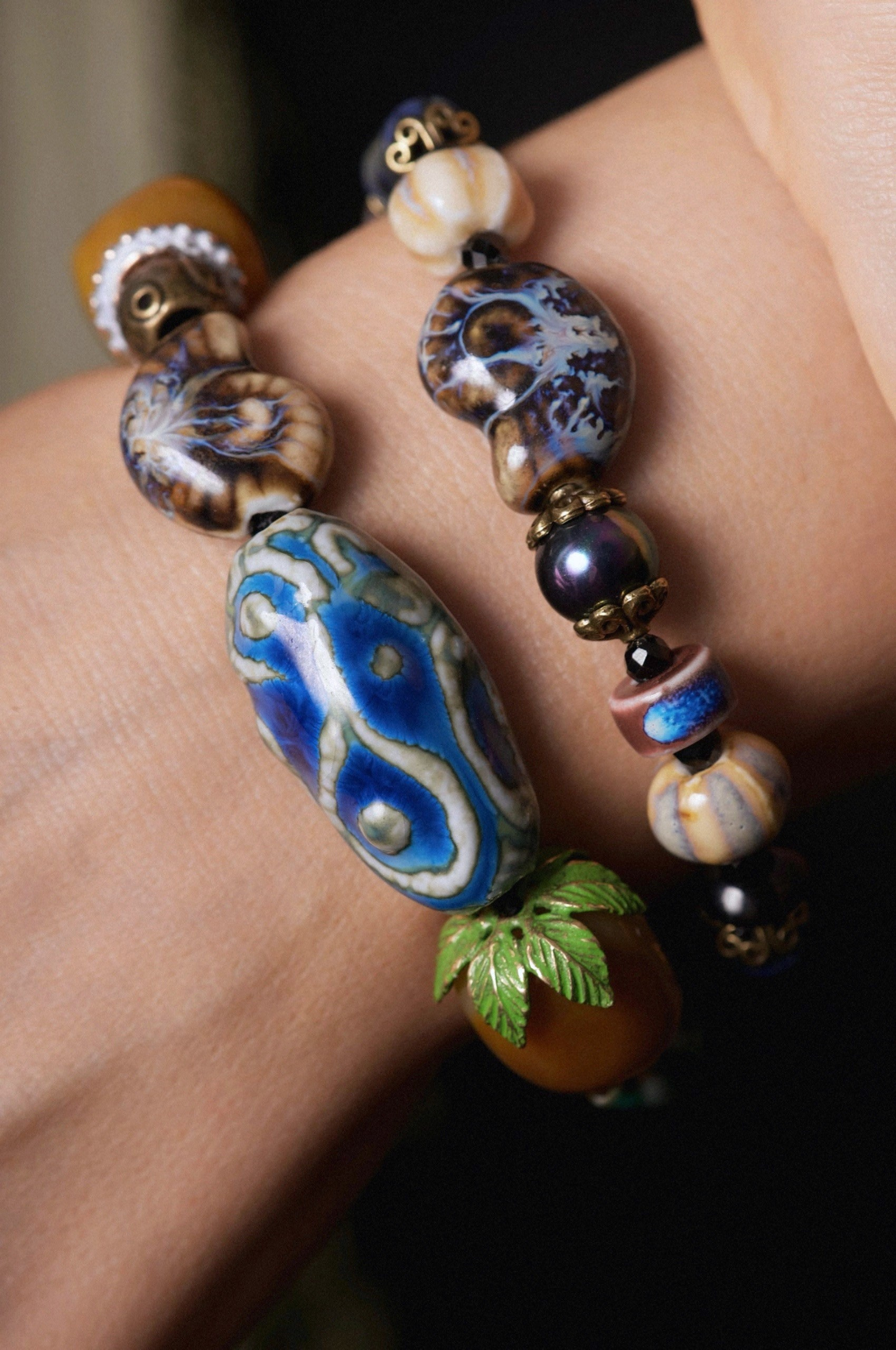
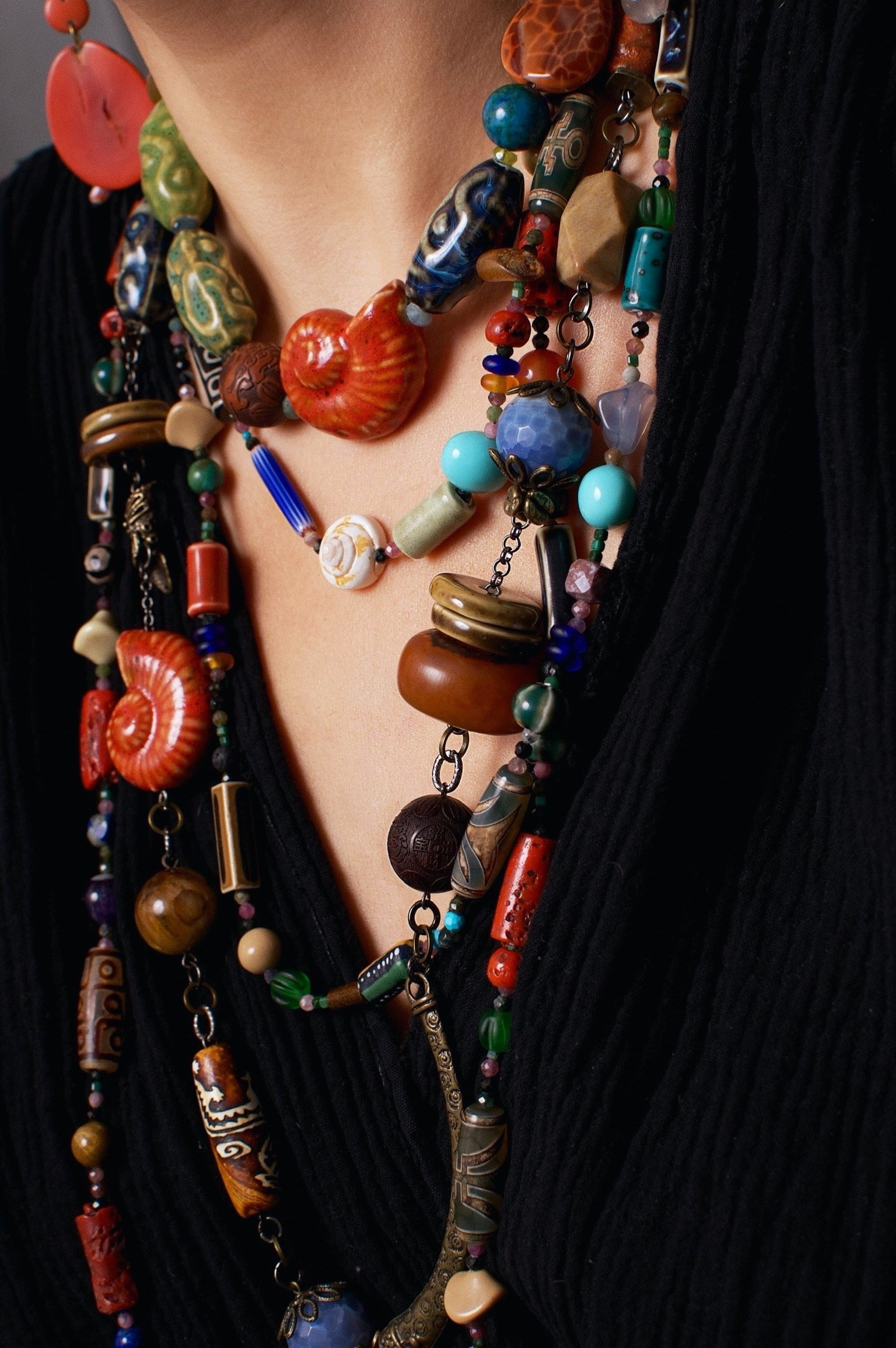
The history of zellige demonstrates that a craft tradition survives not through repetition, but through development.
Forms and scales of application change, while the material itself and the principles of working with it remain.
Ceramics continue to exist — not as a relic of the past, but as a living practice.
Journal

2026 Trend: Velvet Drawstring Bags and Kisets
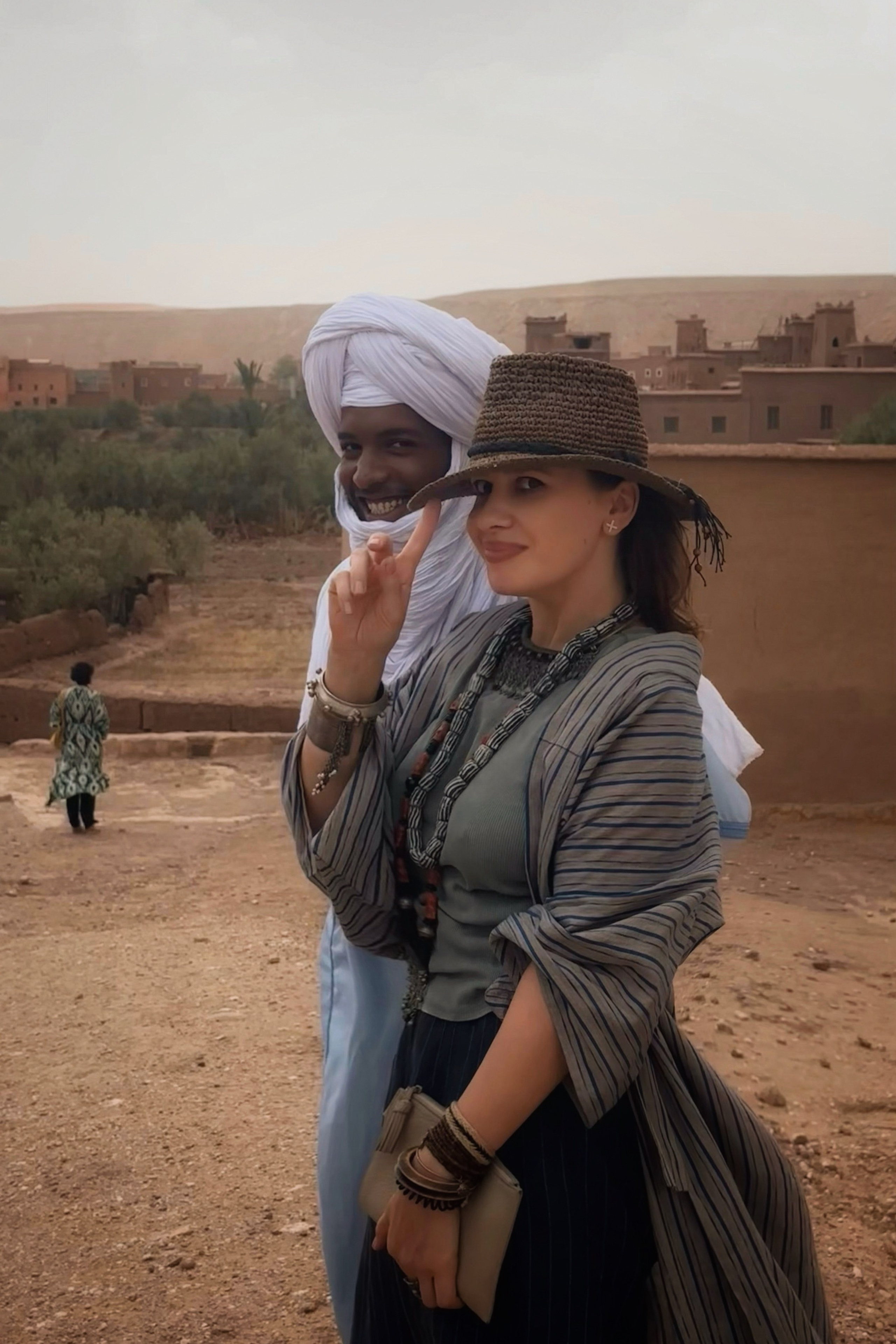
Берберские украшения Марокко: путешествие в Айн-Бен-Хадду в поисках аутентичных сокровищ

Украшения Александра Колдера: искусство, которое движется

Украшения в виде крестов: символ, стиль и личная история

Дом Робера Гуссенса (Robert Goossens): арт-ювелирка как часть Высокой моды

Японский шёлк: ткань, в которой важна каждая деталь
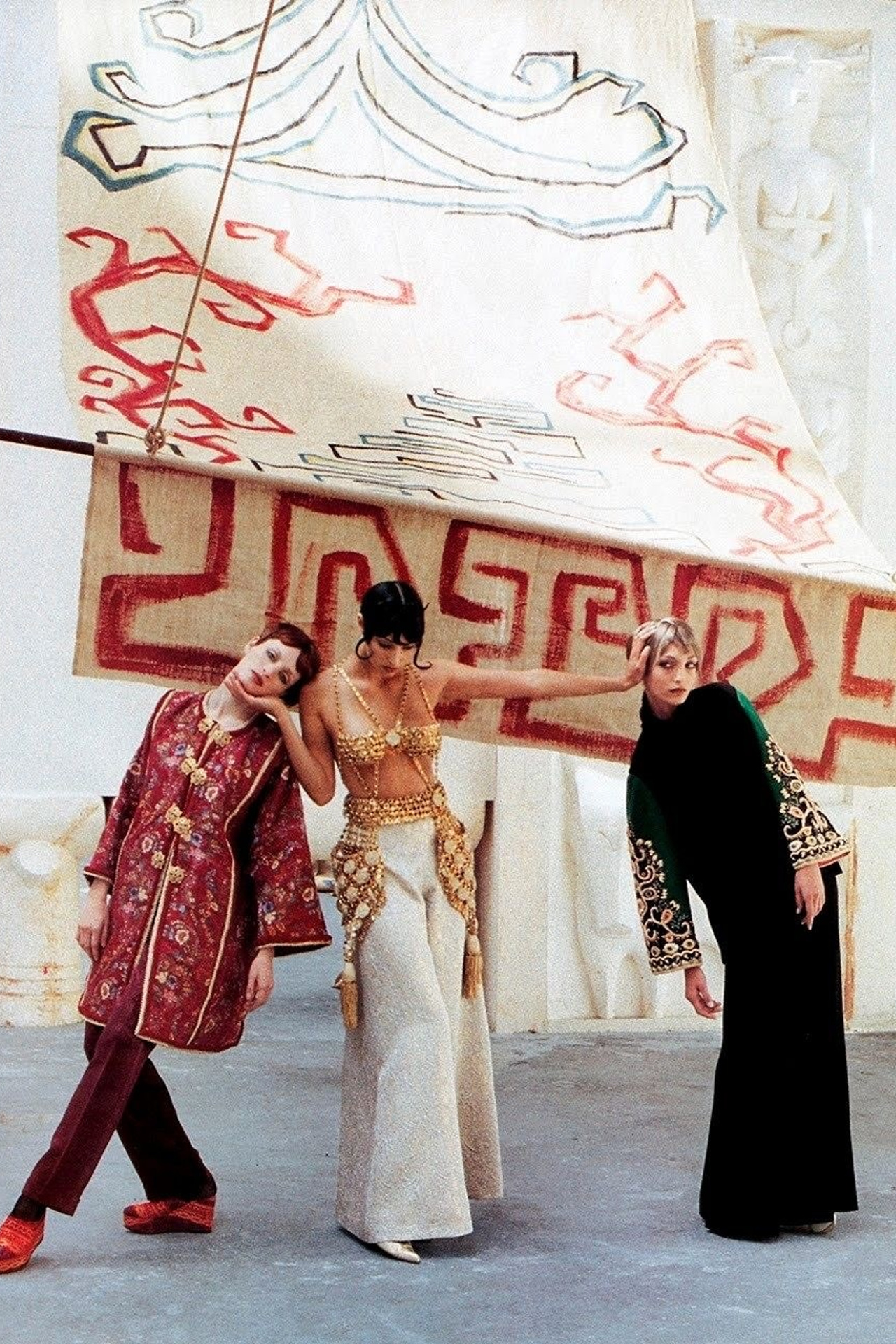
Культурная конвергенция: дизайн, натуральные материалы и дизайнерские украшения ручной работы
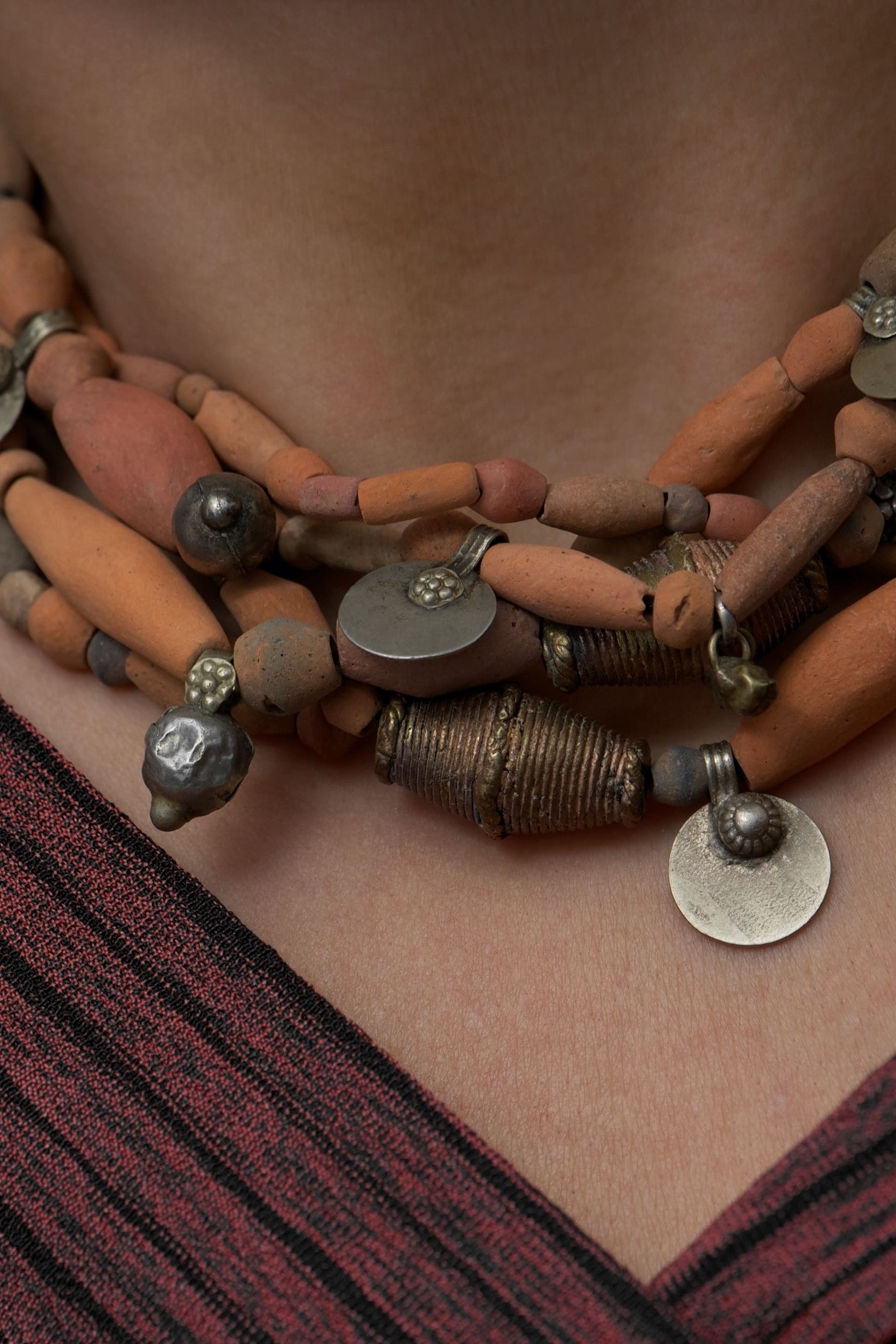
Глина как код: украшения с древней памятью

Costume Jewellery, Haute Fantaisie & Art Jewellery by Eugenika Jewels
Bohea Boheme
Marrakesh, Majorelle & Yves Saint Laurent

Boho: The Art of Living

From Saint Petersburg to Milan