The Poetry of Movement
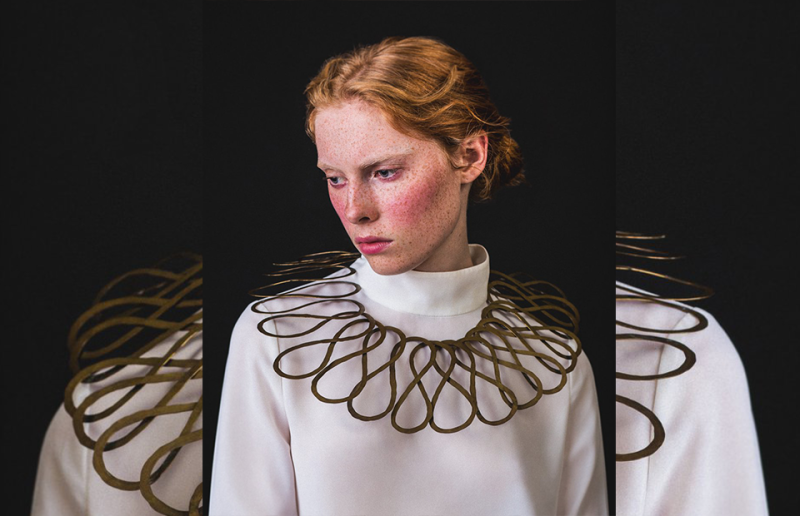
The central principle behind Calder’s jewelry is movement. He was among the first artists to make motion an essential aesthetic element of jewelry.
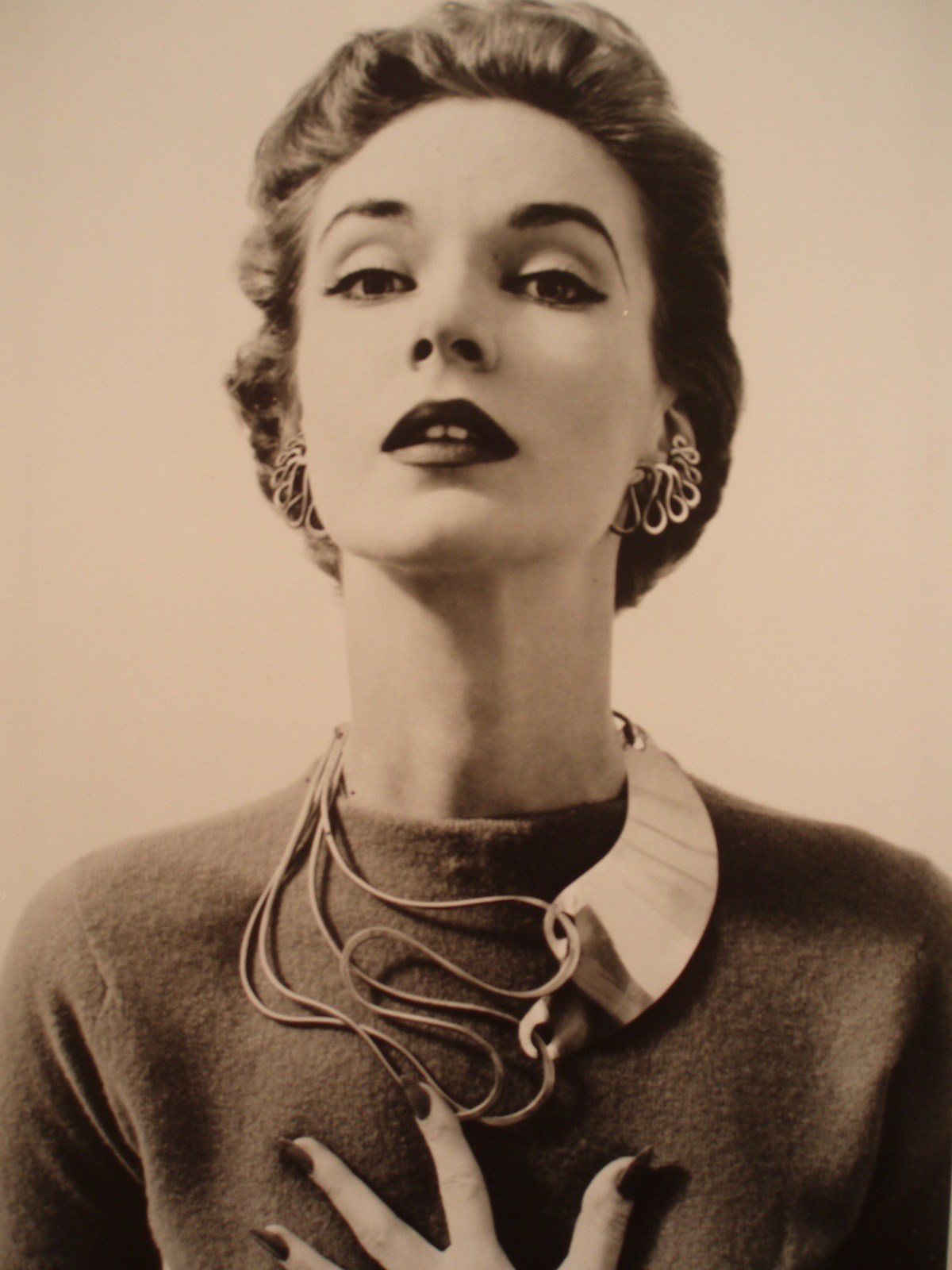
Earrings sway gently with every step, bracelets vibrate, and necklaces seem to rearrange themselves on the body. This constant transformation creates the impression of a living form, as though metal has shed its weight and become a line drawn through the air.
Calder deliberately avoided rigid symmetry and fixed structures. He was interested in balance, chance and rhythm — the same principles that shaped his kinetic sculptures.
The Beauty of Ordinary Materials
In his jewelry practice, Calder rejected conventional ideas about material value. Rather than precious stones, he was drawn to the expressive possibilities of simple materials.
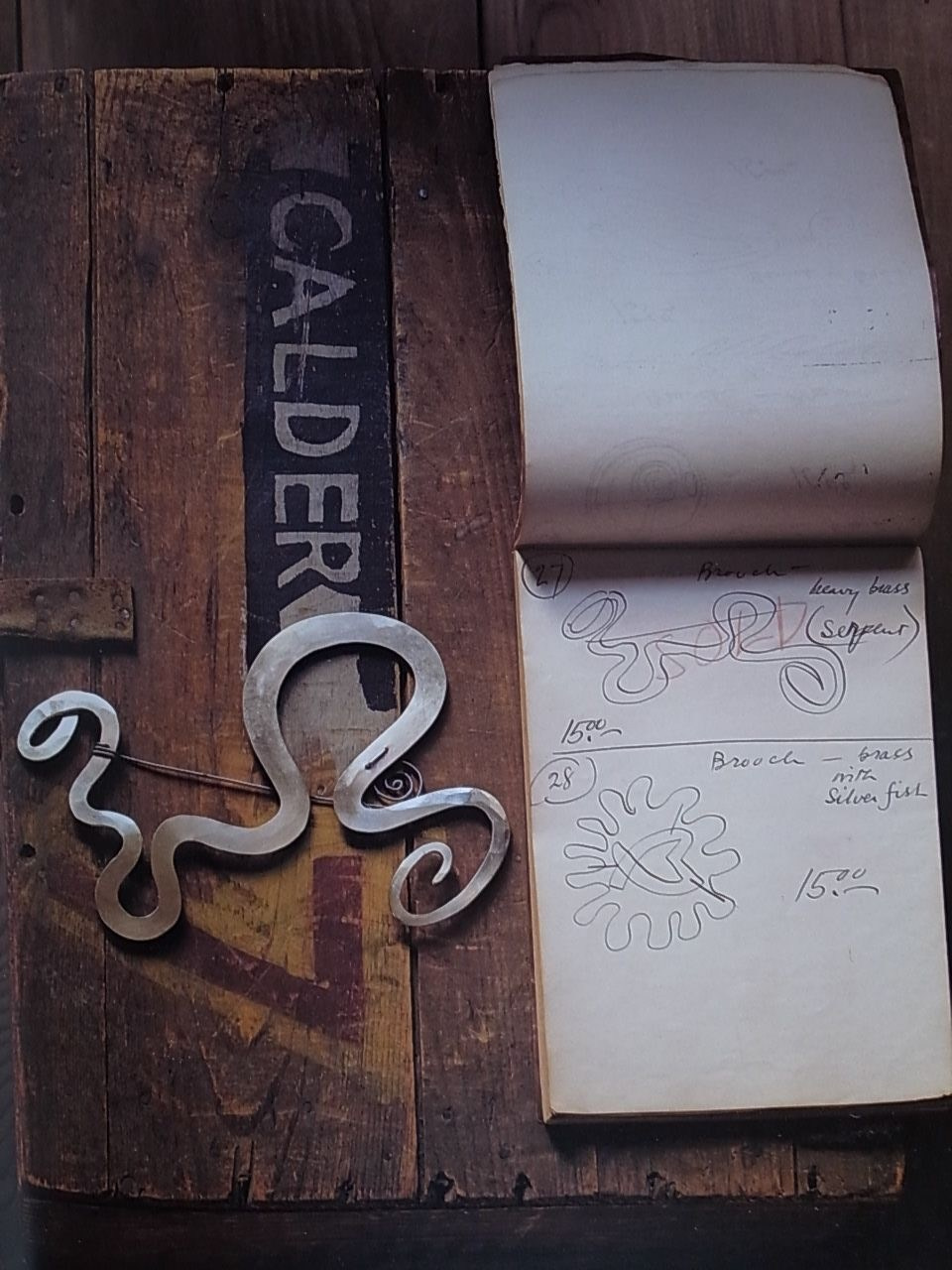
Wire became fundamental to his work — copper, brass and steel allowed him to create light, open structures through bending and balancing rather than conventional jewelry construction. He also incorporated silver, wood, leather, glass and textiles.
For Calder, wire was far more than a practical material. It perfectly reflected his artistic way of thinking: linear, spatial and constantly in motion.
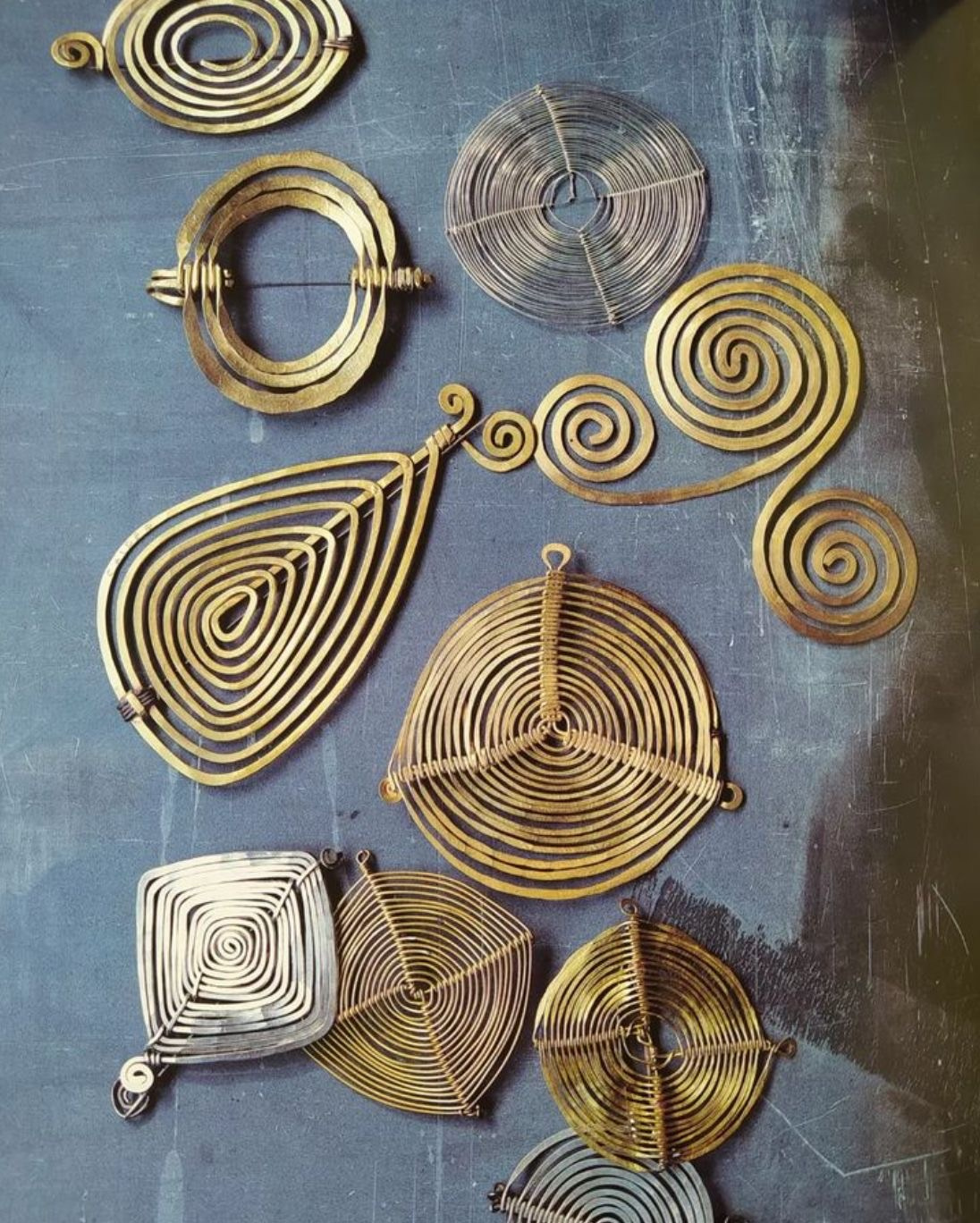
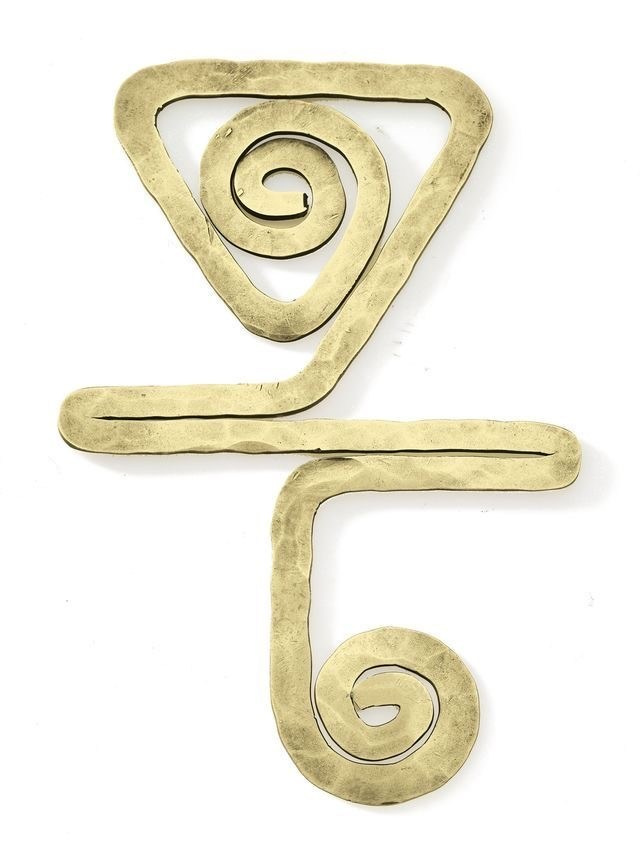
For his bracelets, rings and necklaces, Calder worked with simple materials such as silver and brass wire, creating the pieces himself rather than relying on assistants.
Scale and the Power of Form
Calder’s jewelry can be substantial, almost sculptural in scale. Yet its construction gives even the largest pieces a remarkable visual lightness.
Its vocabulary reflects his fascination with the visual language of non-Western cultures, particularly African and Indian traditions. From them, Calder drew a sense of rhythm, strength and primal expressiveness, translating these influences into an abstract language of pared-down forms.
The result is a compelling paradox: jewelry can appear powerful and monumental while remaining restrained and weightless.
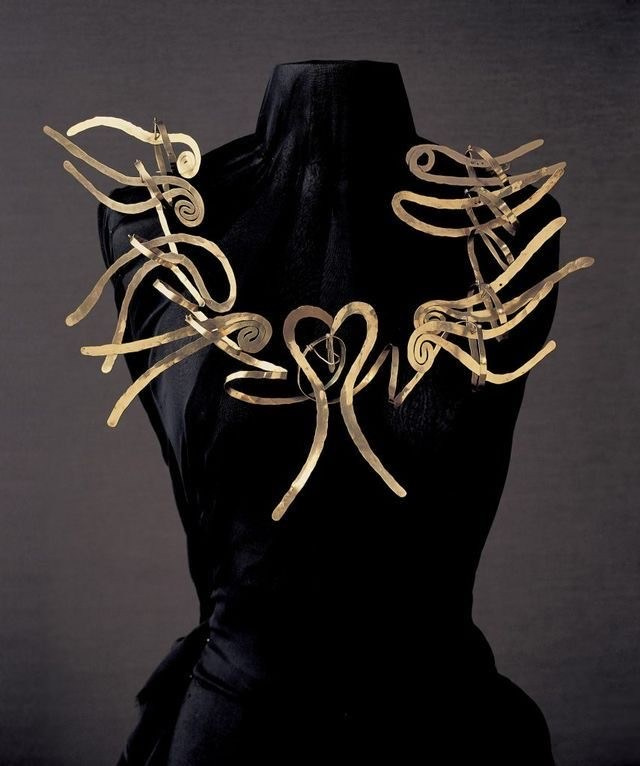
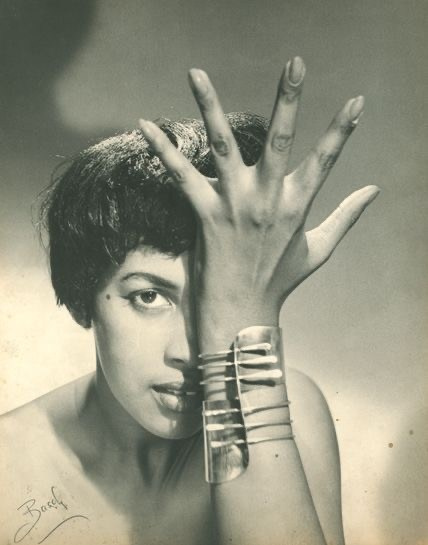
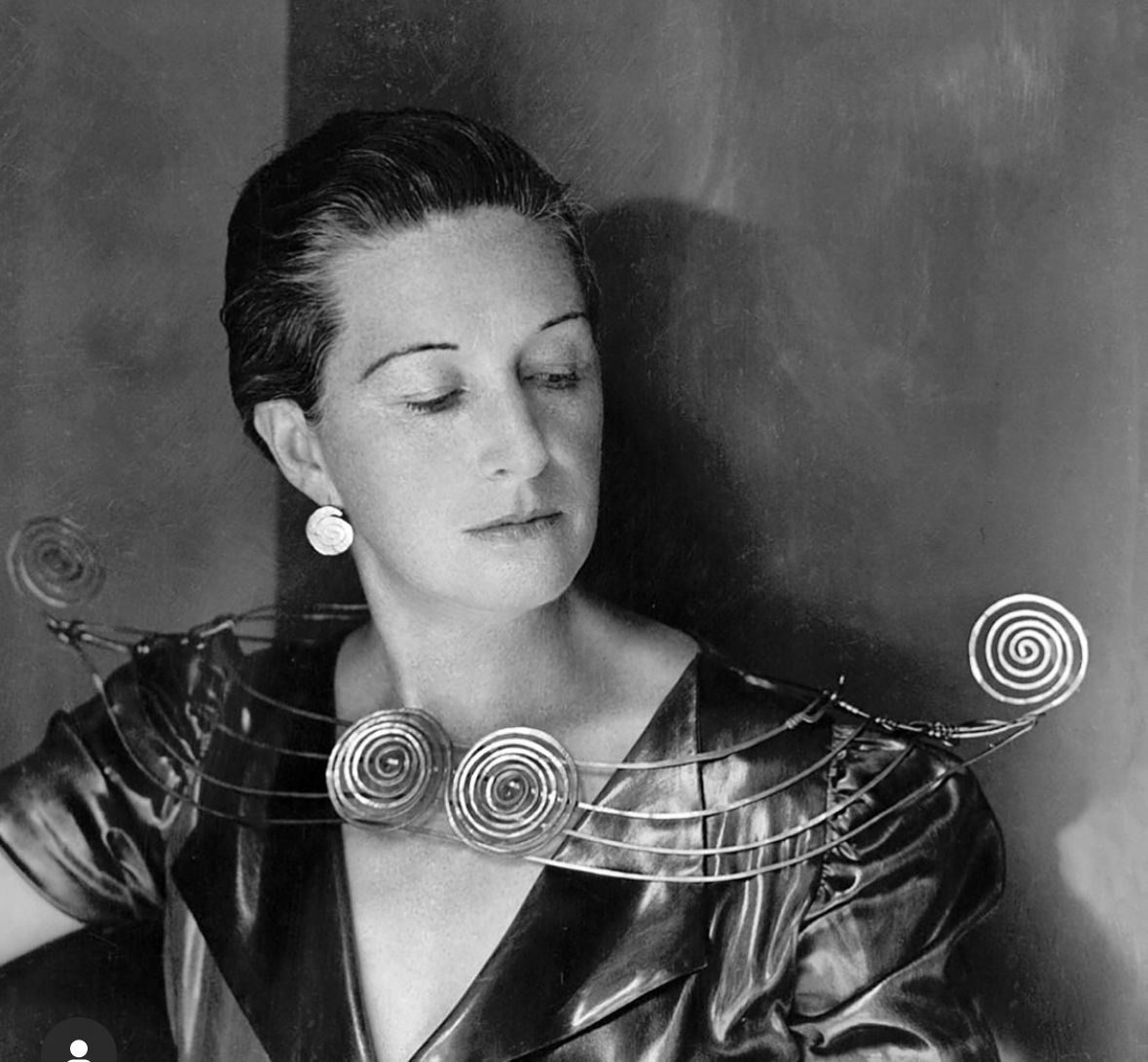
Wavy lines, zigzags and spiral forms are characteristic of Alexander Calder’s jewelry, which was admired by figures including gallerist and patron Peggy Guggenheim, actress Anjelica Huston and writer Simone de Beauvoir.
From Wire Framework to Artistic Language
Calder’s fascination with wire began in childhood, when he used it to make toys. Later, this humble material became central to his artistic vocabulary.
In the early twentieth century, wire was traditionally used as an internal framework for sculpture. Calder transformed it into an independent expressive element. His approach was shaped by the ideas of Piet Mondrian and by his encounters with avant-garde artists, including Marcel Duchamp.
In Calder’s hands, wire ceased to be a supporting structure.
It became the form itself.
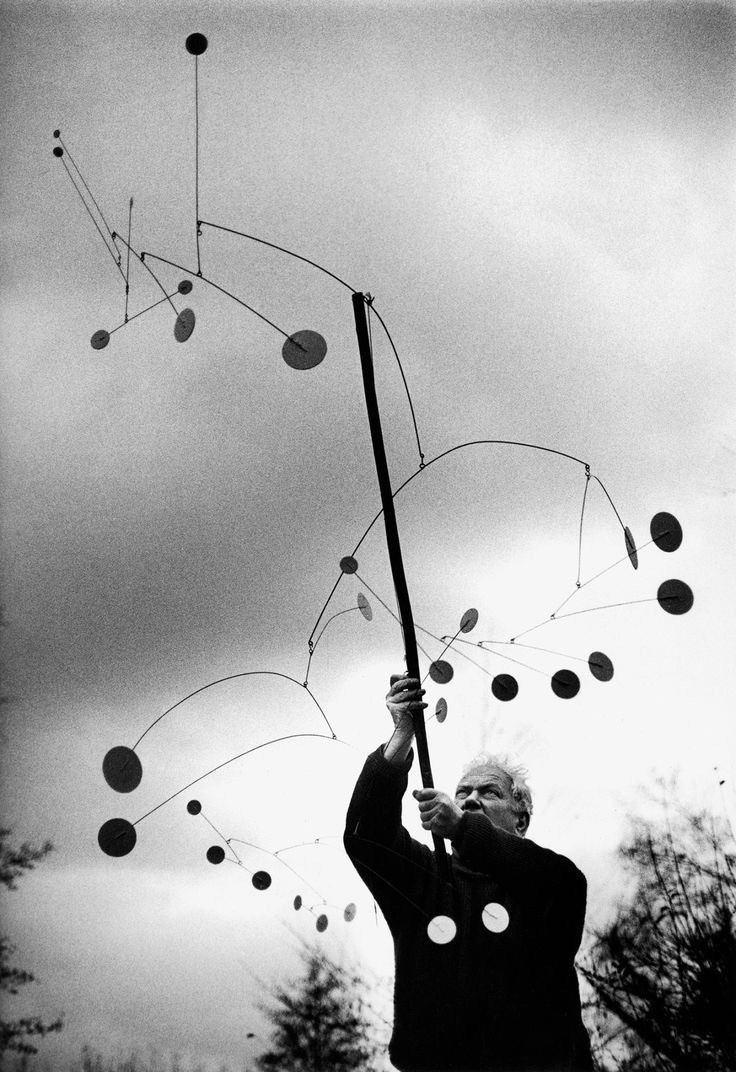
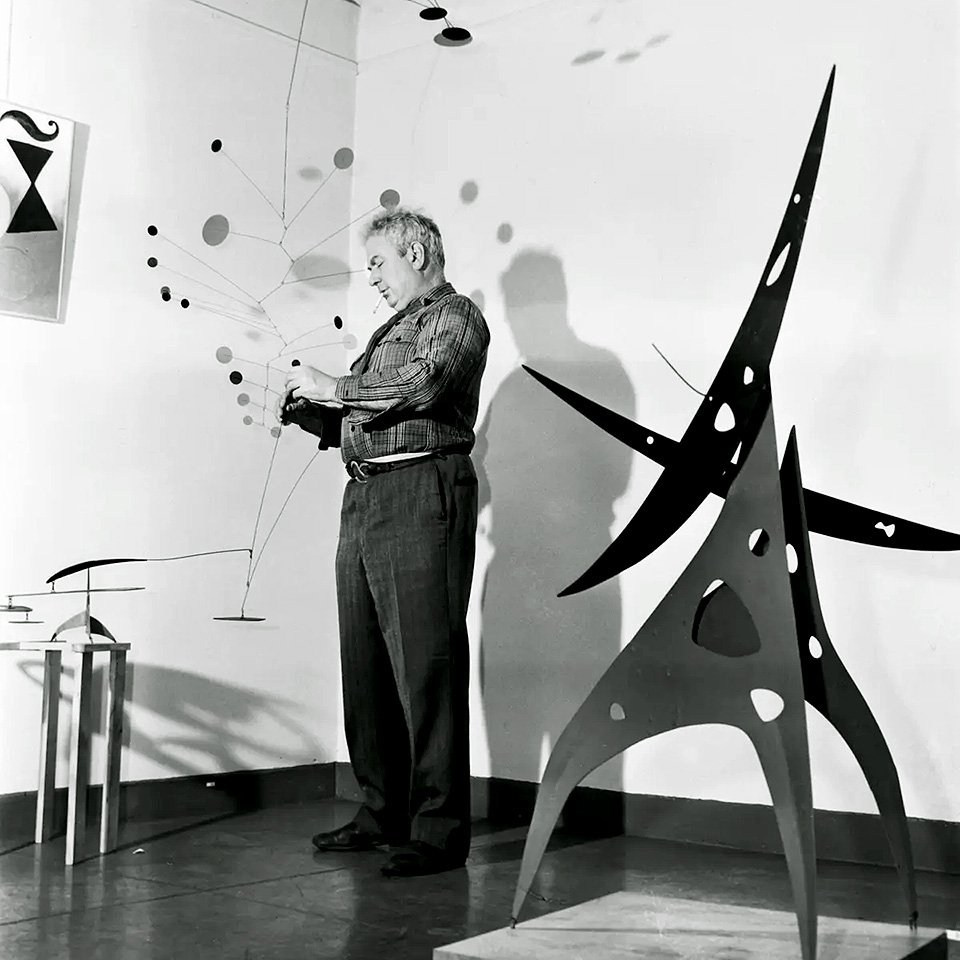
Alexander Calder became renowned for his avant-garde wire figures and kinetic sculptures.
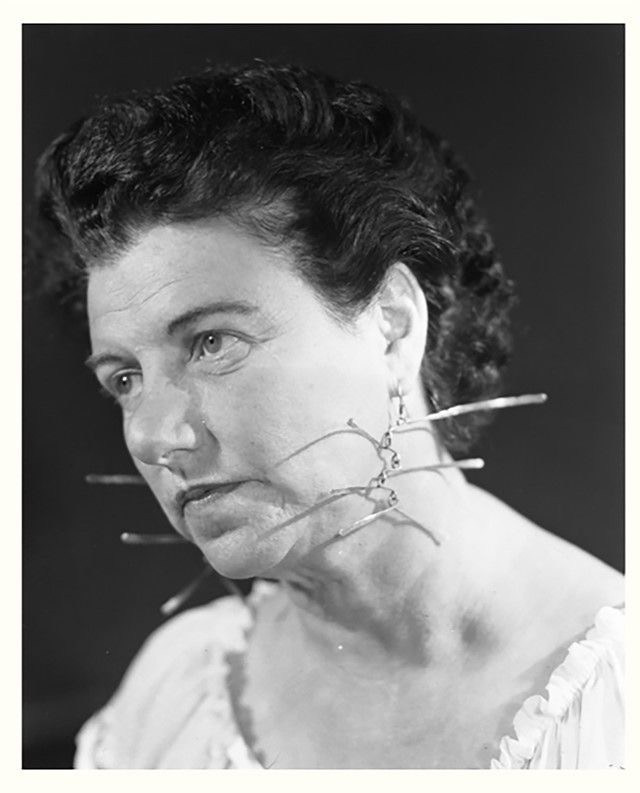
Peggy Guggenheim wearing earrings created by Alexander Calder, 1942.
Jewelry as a Cultural Manifesto
During the 1930s and 1940s, Calder’s jewelry became particularly popular among the intellectual and artistic avant-garde. It was worn not simply as decoration, but as an expression of artistic identity.
Among its admirers were Peggy Guggenheim, Simone de Beauvoir and Georgia O’Keeffe. For them, Calder’s jewelry represented an affinity with a world of experimentation, artistic freedom and intellectual independence.
Remarkably, Calder’s early jewelry was often sold for only a few dozen dollars. Today, these works are regarded as collectible works of art and can command tens of thousands at auction.
Art Beyond Time
Calder demonstrated that jewelry could be more than a marker of status or ornament. It could become a fully independent artistic statement.
His work was never concerned with luxury for its own sake. Its subject was the idea: movement, space, balance and the relationship between the human body and form.
That is why Calder’s jewelry continues to feel remarkably contemporary. It speaks not of fashion, but of fundamental artistic principles.
Calder’s jewelry does not remain still.
It continues to live — together with the people who wear it.
Journal

Cross Jewelry: Symbol, Style and Personal History

Дом Робера Гуссенса (Robert Goossens): арт-ювелирка как часть Высокой моды

Японский шёлк: ткань, в которой важна каждая деталь
Культурная конвергенция: дизайн, натуральные материалы и дизайнерские украшения ручной работы
Глина как код: украшения с древней памятью

Costume Jewellery, Haute Fantaisie & Art Jewellery by Eugenika Jewels
Bohea Boheme
Marrakesh, Majorelle & Yves Saint Laurent

Boho: The Art of Living

From Saint Petersburg to Milan
Why I Chose the Unrepeatable

Eugenika Jewels: Relic Amber — High Jewellery & Collectible Art

Fez and the Art of Ceramics
