

Japanese Silk: Types and Distinctions
Japanese silk occupies a special place in the world of textiles, distinguished by its exceptional quality and by the sophisticated relationship between the material and the craftsman. In the Japanese tradition, silk is not simply a fibre but the result of a complex process in which the origin of the thread, its treatment, the weaving technique, and the subsequent work carried out on the fabric all matter.
The word “silk” in Japan does not refer to one universal material, but to a wide range of fabrics. They differ not only in appearance, but also in texture, their ability to hold a shape, the way they absorb and reflect colour, and their degree of formality. Understanding these distinctions makes it possible to choose silk deliberately — according to the season, purpose, and character of the garment.


Silk by Fibre and Thread Treatment
Kinu (絹) is the classic smooth silk made from long, carefully selected fibres. It is distinguished by its soft lustre, even surface, and remarkable fluidity.
Kinu drapes beautifully, follows the lines of the silhouette, and is traditionally considered more formal. This type of silk is commonly used for ceremonial kimono and garments in which a clean surface and refined elegance are essential.
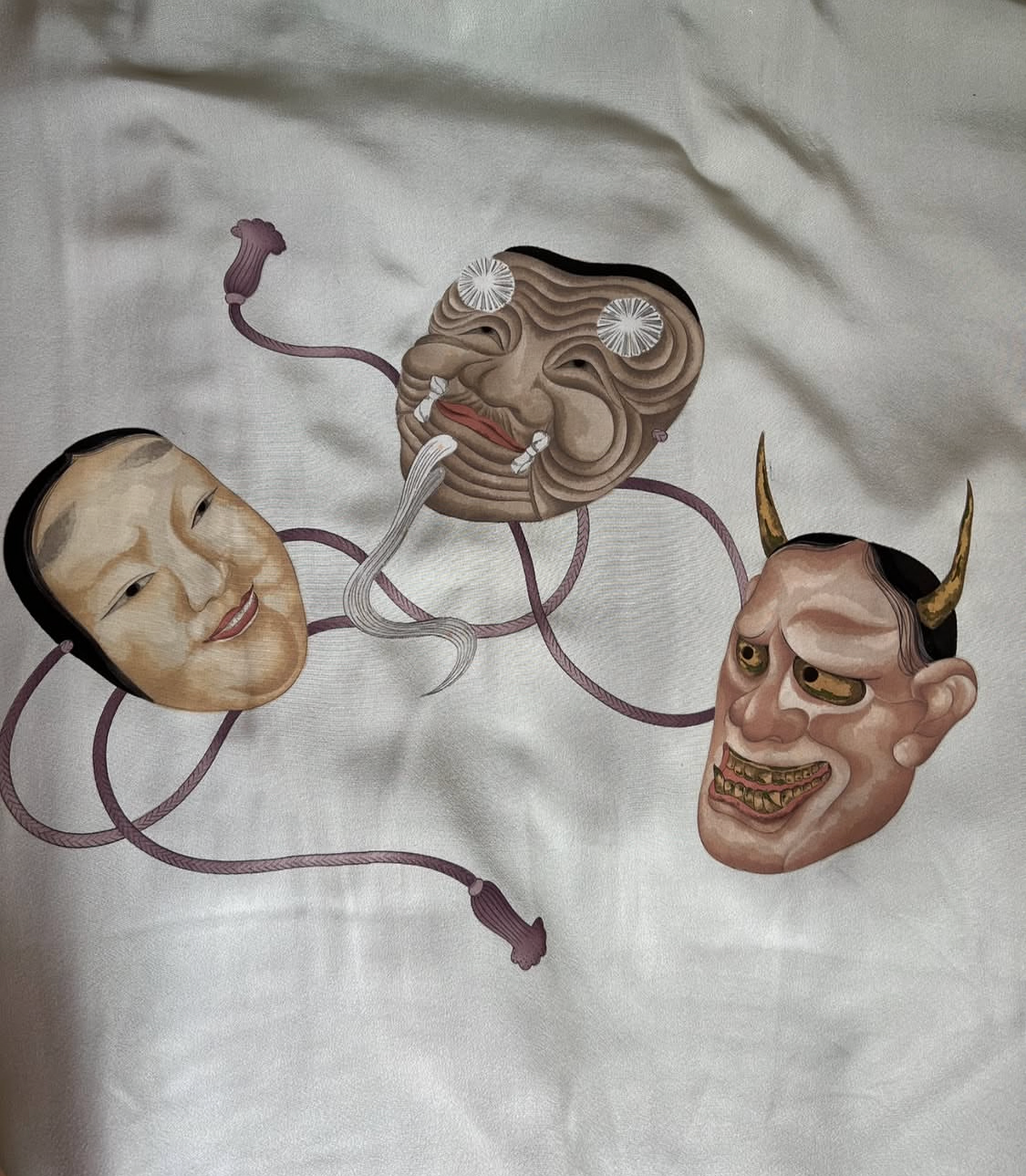


Tsumugi (紬) is made from shorter, more irregular fibres. The resulting fabric is denser, with a pronounced texture and a subdued, matte lustre. Tsumugi is valued not for smoothness, but for its sense of a living, tactile material. The irregularities of the thread create visual depth, while hand-dyeing gives the colour complexity and subtle variation.
It is a less formal type of silk, traditionally associated with everyday wear.


Silk by Weaving Technique and Surface
Rinzu (綸子) is a patterned silk in which the design is created through jacquard weaving. The pattern is not printed or painted onto the surface; it is woven directly into the fabric. As a result, it reveals itself through movement and changes in the light. Rinzu has a restrained, sophisticated appearance, combining ornament with refinement, and is often used for formal and ceremonial garment
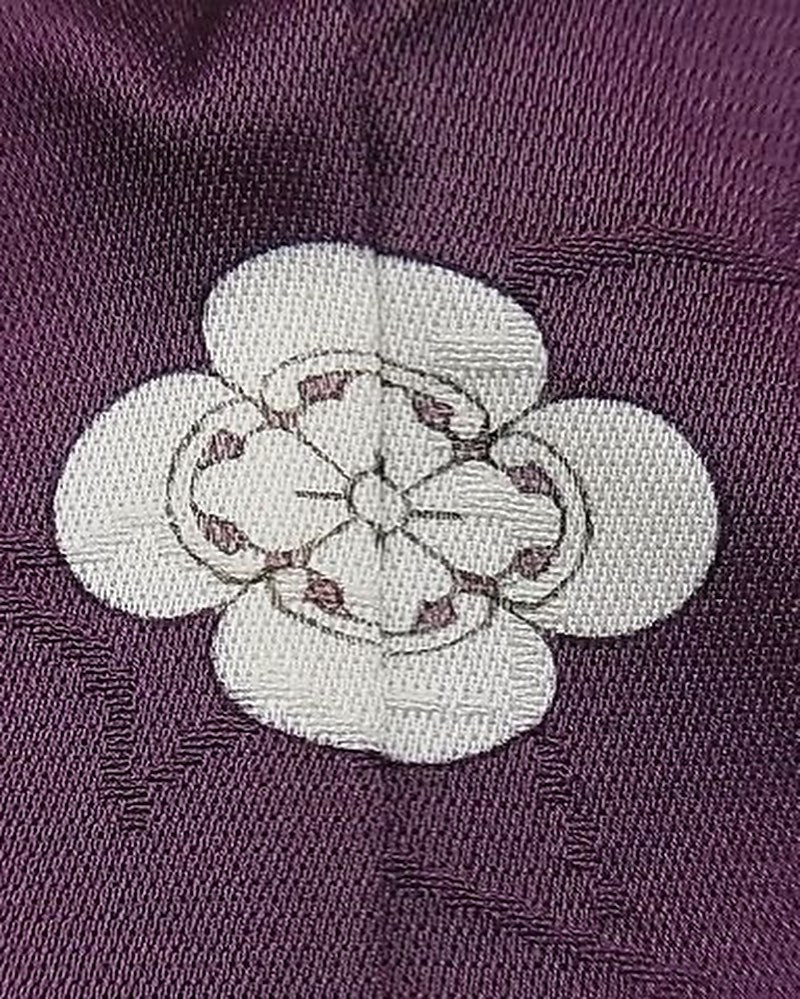


Omeshi (御召) is distinguished by a particular process in which the threads are dyed and twisted before weaving.
Omeshi is relatively heavy, dense, and crisp to the touch, with distinctly twisted threads that make it more durable and traditionally more prestigious than lighter silks such as chirimen or meisen. It has historically been associated with high-quality kimono, including formal men’s garments and haori.
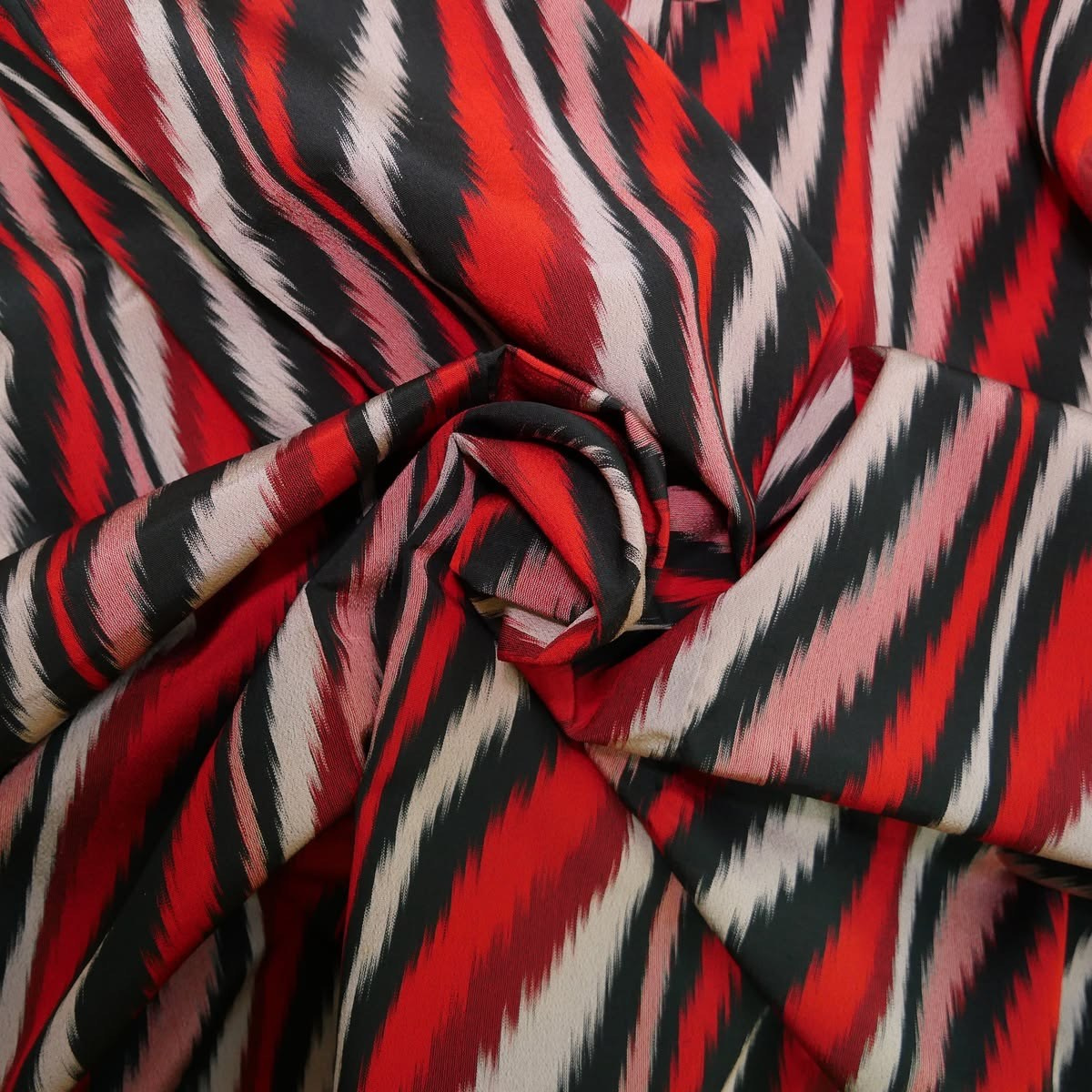

Chirimen (縮緬) is a crepe silk with its characteristic finely rippled surface. The texture is created by tightly twisting the weft threads. Chirimen has a matte surface and absorbs dye exceptionally well, which makes it particularly suitable for hand-painted and hand-dyed techniques. Colours appear deep and saturated on this type of silk, while the fabric itself remains soft and supple.


Urushi (漆) is a particularly striking textile in which lacquer-coated threads are woven into the design. At first glance, the decoration can resemble embroidery. The fabric is not entirely covered with ornament; instead, selected areas are embellished with lacquered threads, often combined with gold or silver, creating a luminous, shifting effect as the surface catches the light.


Seasonal Varieties of Japanese Silk
Sha (紗) and Ro (羅) are lightweight, open-weave fabrics with a semi-transparent structure that creates an airy, breathable surface.
They convey an immediate sense of lightness and coolness and are traditionally used for summer kimono, allowing the wearer to remain comfortable in hot weather without sacrificing elegance.
Because of the complexity of their weaving, these fabrics require a high level of craftsmanship and are considered particularly refined. Their transparency and open structure emphasise both the seasonality and the delicacy of the garment.


A Deliberate Choice
Japanese silk is not a universal material intended for every occasion, but a sophisticated system of fabrics, each suited to a particular purpose: a degree of formality, a season, a method of dyeing, and a specific way of wearing. This is why Japanese silk is valued not only for its beauty, but also for the depth of thought embedded in its craftsmanship.
Once the distinctions between different types of silk become familiar, the fabric begins to reveal itself as more than a surface. It carries a history, a structure, and a purpose. And choosing it with that knowledge in mind means choosing a textile whose relevance and beauty can endure for many years.
Journal
Культурная конвергенция: дизайн, натуральные материалы и дизайнерские украшения ручной работы
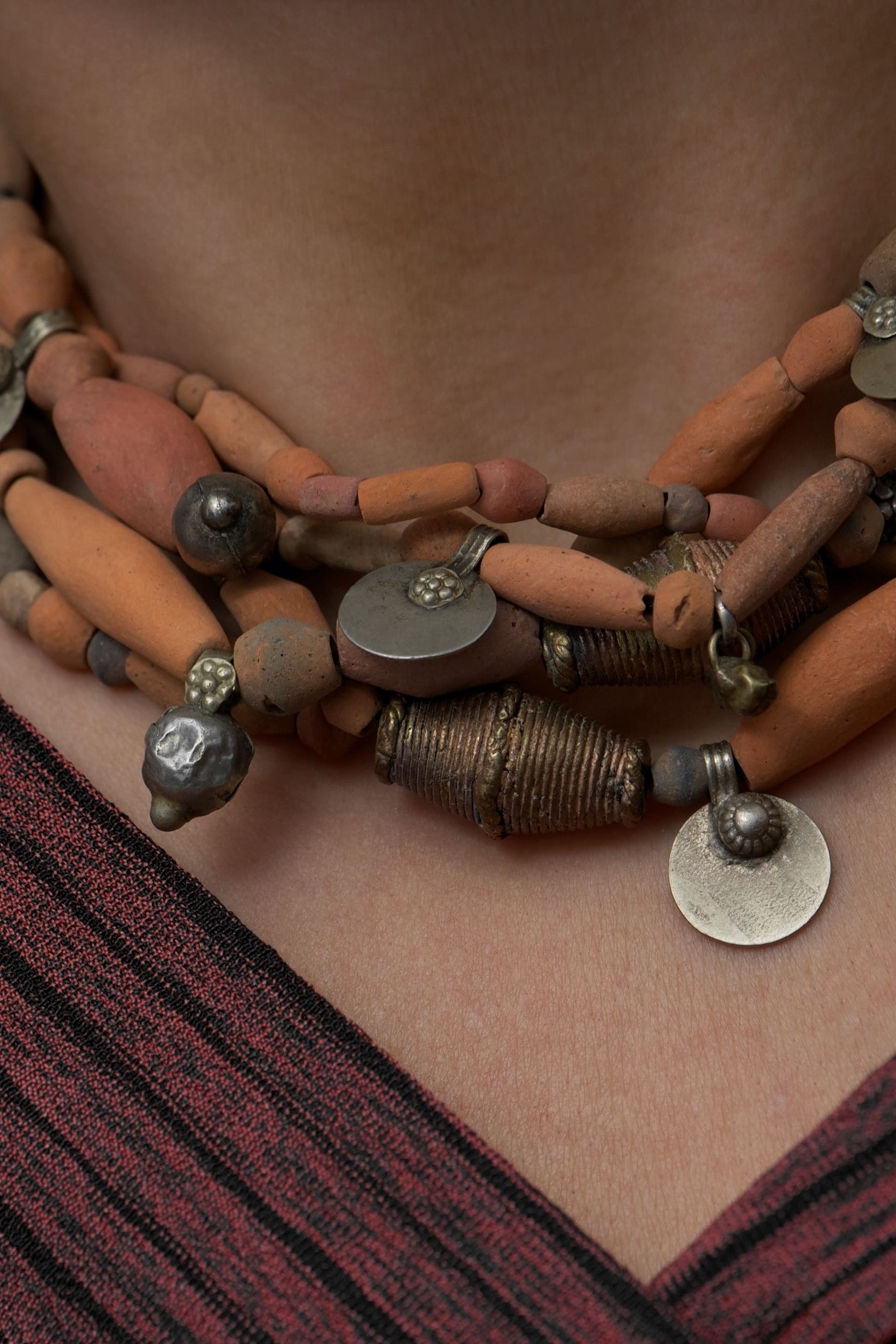
Глина как код: украшения с древней памятью

Costume Jewellery, Haute Fantaisie & Art Jewellery by Eugenika Jewels
Bohea Boheme

Marrakesh, Majorelle & Yves Saint Laurent

Boho: The Art of Living


From Saint Petersburg to Milan

Why I Chose the Unrepeatable

Eugenika Jewels: Relic Amber — High Jewellery & Collectible Art

Fez and the Art of Ceramics

2026 Trend: Velvet Drawstring Bags and Kisets

Berber Jewelry of Morocco: A Journey to Aït Benhaddou in Search of Authentic Treasures

Alexander Calder Jewelry: Art In Motion
