

A Jeweler Who Thought Like a Sculptor
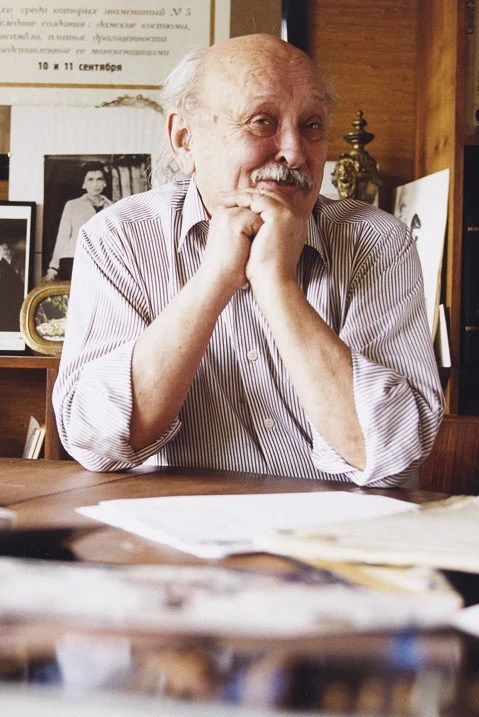
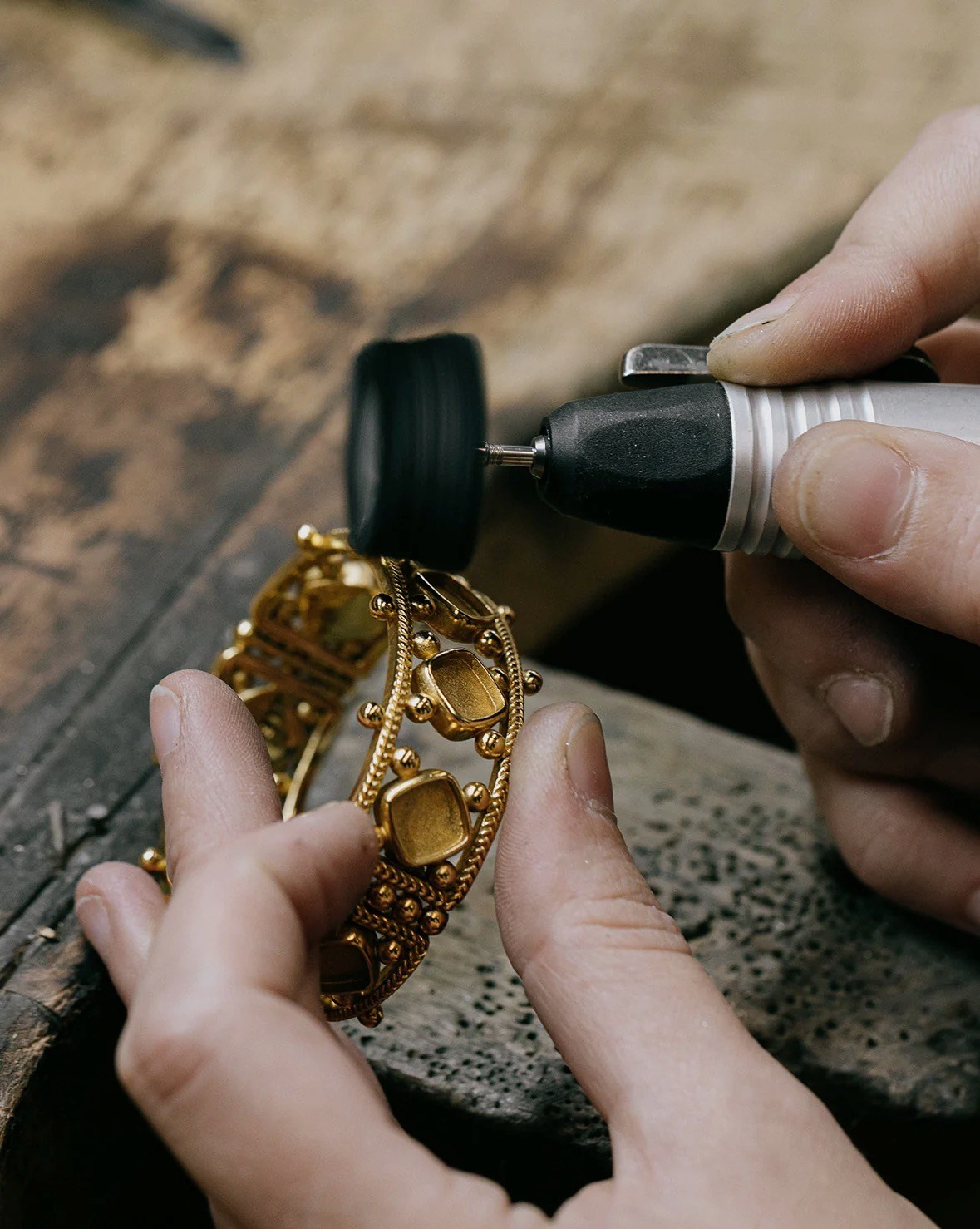
Robert Goossens began his career as a goldsmith and metalworker, but he quickly moved beyond the conventions of traditional jewelry. He was less interested in displaying the value of precious materials than in exploring form, texture and expressive power.
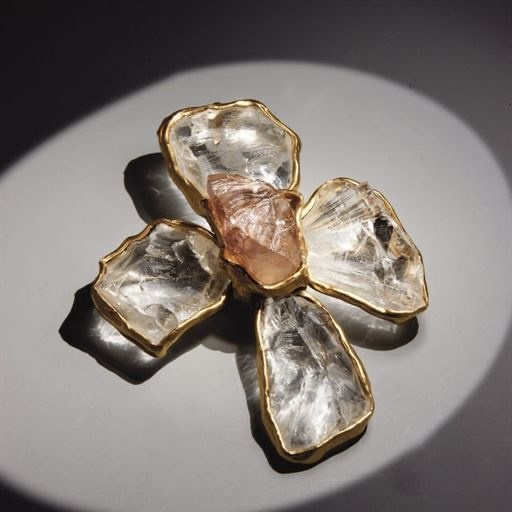
He worked with gilded bronze, rock crystal, glass and semi-precious stones — materials that could be treated with extraordinary freedom outside the conventions of fine jewelry. In Goossens’ hands, they became a visual language through which jewelry acquired character, weight and depth.

Chanel and the Birth of a New Jewelry Language
A pivotal chapter in this story began with Gabrielle Chanel. Their collaboration launched in the early 1950s, and by 1954, Goossens was already creating jewelry for Chanel. Together, the couturière and the jeweler forged a distinctive artistic language that boldly combined precious and non-precious materials.
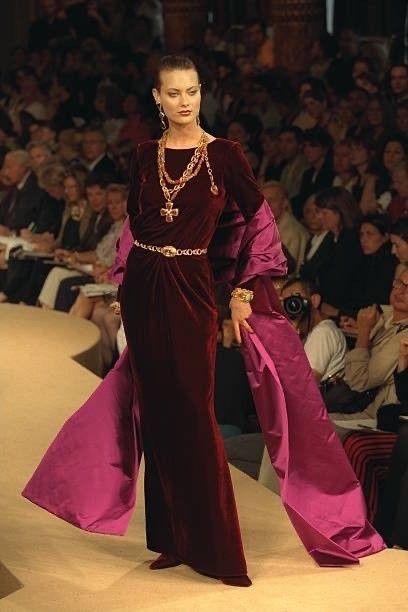
Bold crosses, Byzantine motifs, rock crystal, and gilded metal—alongside intricate, expressive forms—laid the foundation for this new language of high-end costume jewelry.
For Chanel, jewelry was not bound by the conventions of traditional fine jewelry. Pieces could be theatrical, draw upon historical styles, and dazzle with unexpected designs and deliberate artifice; they became an integral part of the silhouette rather than merely a means of displaying wealth.
Goossens intuitively grasped this vision.


Jewelry as an Art Object
Goossens demonstrated how jewelry could function as miniature sculpture.
His work embraced texture, irregularity and the visual richness of materials rather than pursuing conventional perfection. Gilded bronze, rock crystal, glass and semi-precious stones allowed him to create pieces with an almost archaeological presence — objects that seemed to carry traces of another era while remaining unmistakably modern.
His approach to jewelry was instinctive and highly individual.
A Goossens piece does not need to explain itself. It either creates a response or it does not.
This freedom became one of the defining qualities of twentieth-century haute couture jewelry.


Yves Saint Laurent and the Drama of Form
Goossens’ collaboration with Yves Saint Laurent began in the 1970s and opened another chapter in his creative career. Working with Saint Laurent and Loulou de La Falaise, he explored new directions, including African-inspired jewelry, while continuing to develop recurring motifs such as crosses and hearts.
For Saint Laurent, jewelry was an essential part of the overall image. It could transform a silhouette, introduce tension or create a dramatic focal point.
Goossens understood this theatrical dimension of fashion exceptionally well.
His jewelry could be monumental, sensual, archaic or deliberately extravagant — always functioning as part of the larger visual composition.


A Philosophy Beyond Fashion
The work of Robert Goossens was never simply about following fashion trends.
Its enduring quality lies in the combination of several fundamental elements:
form;
symbolism;
texture;
material;
historical reference;
the internal logic of the object.
Goossens drew freely from Byzantine, Renaissance, Baroque and other historical sources, transforming them rather than reproducing them literally. His work occupies the space between jewelry, sculpture and decorative art.
That is what gives it its remarkable longevity.


The Legacy of Robert Goossens Today
The Maison Goossens continues to operate in Paris as part of CHANEL’s Métiers d’art. CHANEL acquired the Goossens workshop in 2005, and the Maison remains part of the network dedicated to preserving and developing specialist French craftsmanship.
Today, Goossens continues to create jewelry as well as furniture and objets d’art, maintaining the dialogue between metalwork, sculpture, architecture and fashion that was established by its founder. The Maison’s workshop is now located at le19M in Paris.
Robert Goossens’ legacy remains particularly important for anyone who sees jewelry not merely as a commercial object or accessory, but as a form of artistic expression.
His work proved that a jewel could occupy the same imaginative territory as sculpture — small in scale, but enormous in presence.


Journal

Японский шёлк: ткань, в которой важна каждая деталь
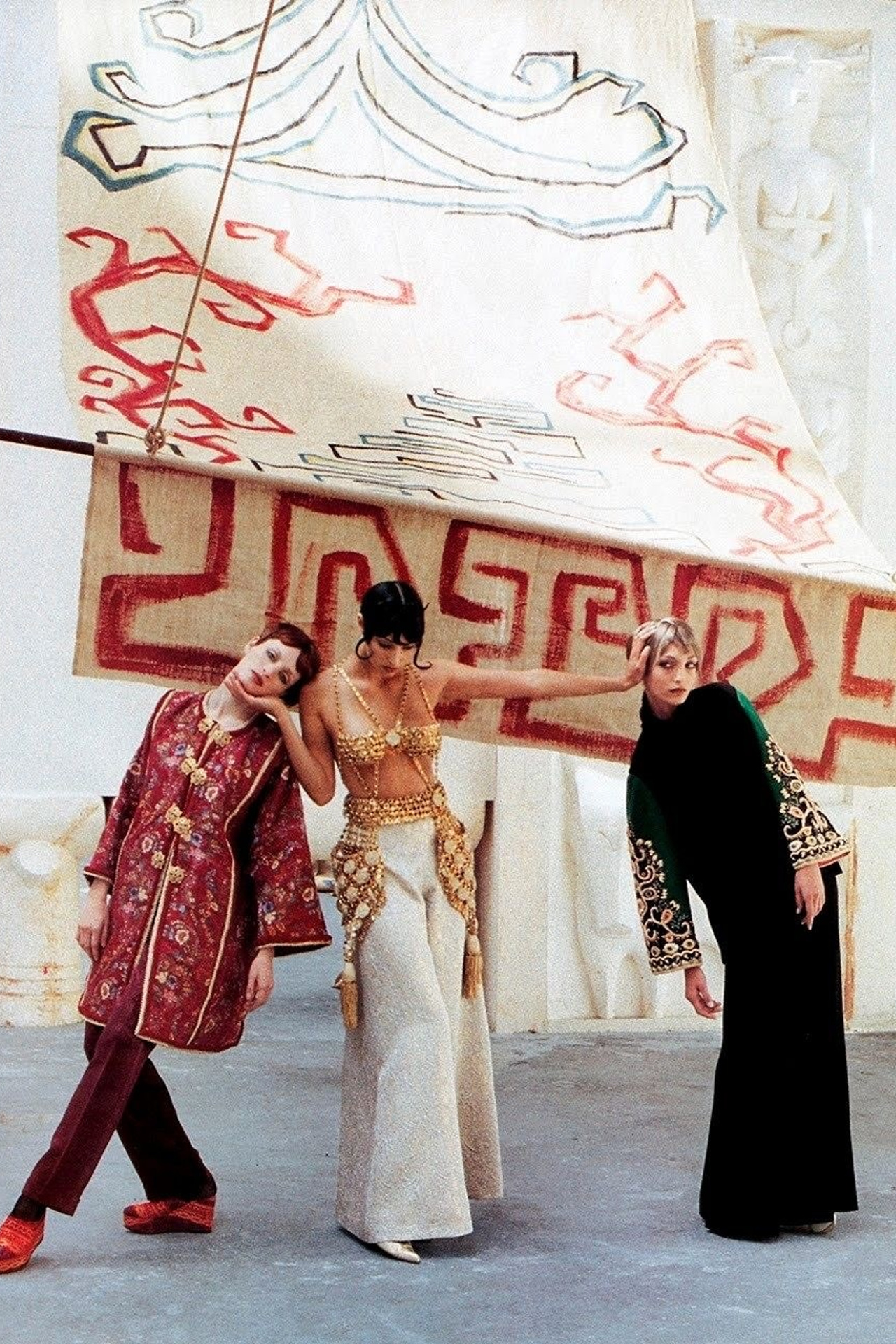
Культурная конвергенция: дизайн, натуральные материалы и дизайнерские украшения ручной работы
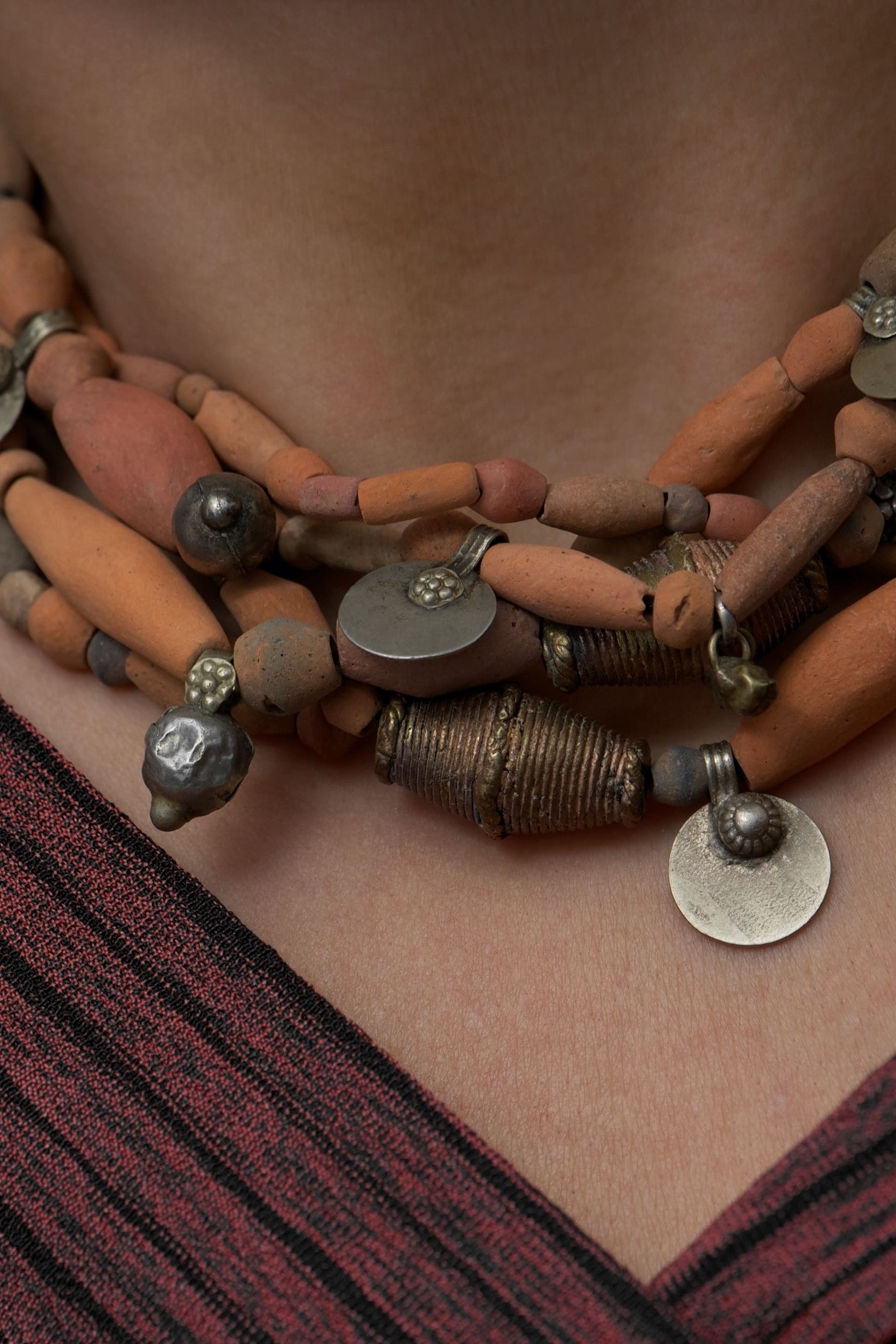
Глина как код: украшения с древней памятью

Costume Jewellery, Haute Fantaisie & Art Jewellery by Eugenika Jewels
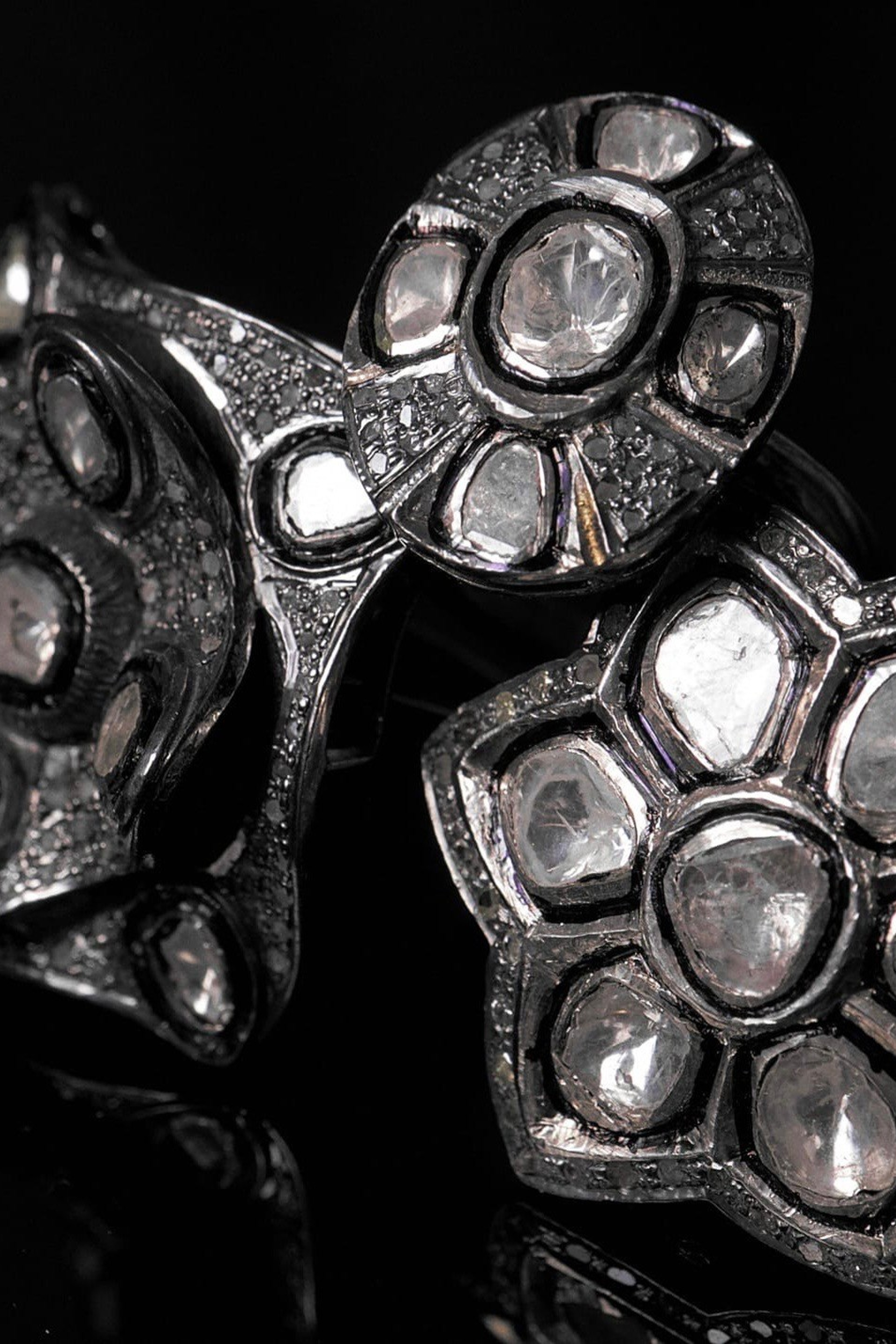
Bohea Boheme
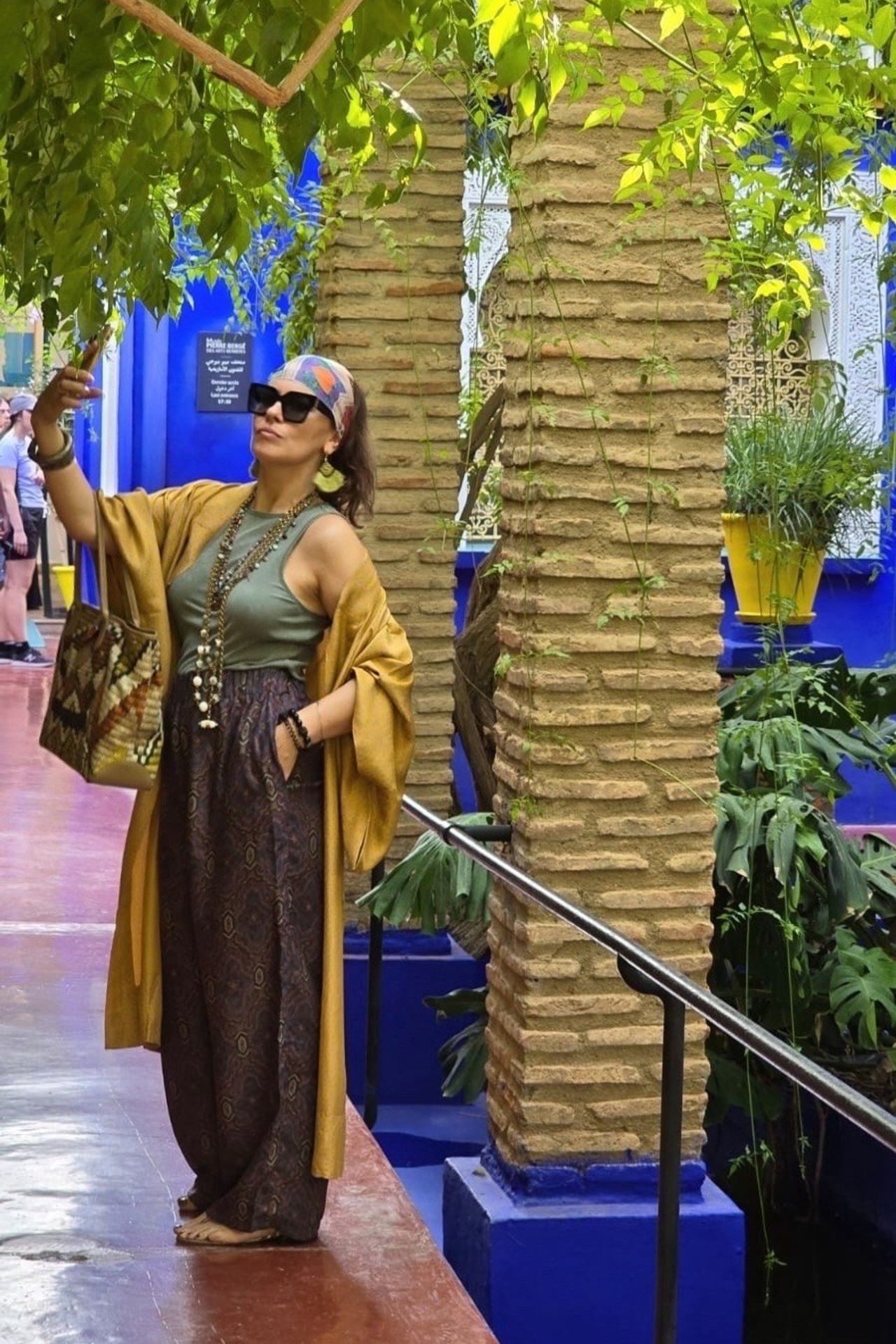
Marrakesh, Majorelle & Yves Saint Laurent

Boho: The Art of Living
From Saint Petersburg to Milan
Why I Chose the Unrepeatable

Eugenika Jewels: Relic Amber — High Jewellery & Collectible Art

Fez and the Art of Ceramics

2026 Trend: Velvet Drawstring Bags and Kisets
Berber Jewelry of Morocco: A Journey to Aït Benhaddou in Search of Authentic Treasures
